Build a character worth keeping.
A great whisky needs a new-make spirit worth maturing. Grain, fermentation, distillation and wood are connected decisions, not four separate purchases. Start with the character you want to protect.
Build the flavor before the still.
The grain bill gives a whisky its starting material. Mashing makes fermentable sugars available; fermentation creates alcohol and many of the compounds that will shape the spirit. Yeast, temperature, acidity and time all influence that result. A fermentation chosen purely for the fastest alcohol yield is not necessarily the best route to your intended flavor.
Odin's teaching asks distillers to connect those variables to a clear tasting target. Decide how much grain character, fruit and depth you want, then develop a controlled fermentation around it. On-grain and clarified workflows bring different handling needs and can create different profiles. Compare them deliberately instead of inheriting a brewing process without questioning its fit.
Where iStill fits.
Plan iMasher and iFermenter capacity alongside the still. A multipurpose iStill may suit one working rhythm; dedicated vessels can let mashing, fermentation and distillation progress in parallel. Configure heating and agitation for your actual grain process.
A longer finish is a choice in the run.
In iStill's flavor framework, whisky can combine an opening impression of fruit, recognizable grain in the middle and a longer, deeper finish. The objective is not simply to remove every trace of early and late character. It is to select the balance that belongs in the new make you intend to mature.
Cut decisions interact with boil-up, vapor speed and reflux. Changing the pace of a run can change how fractions overlap, so copying cut temperatures alone does not capture the full process. The useful question is whether your equipment lets you explore that balance and then repeat it. More carryover is not automatically better: it must earn its place in the glass.
Where iStill fits.
NextGen's hybrid approach combines control of the run with adjustable separation. Explore a character-led approach or greater reflux according to the style. Save the developed settings, evaluate the result and retain trained sensory judgment when validating a recipe.
One platform. Different separation goals.
Develop power, reflux and cuts around the flavor you want to retain. A lower-separation approach can preserve more character; the right balance is established through tasting.
- Vapor-liquid contact
- Condensation
- Controlled return and collection
Their ambition. In the glass.
The producers, the products and the recognition they have earned.
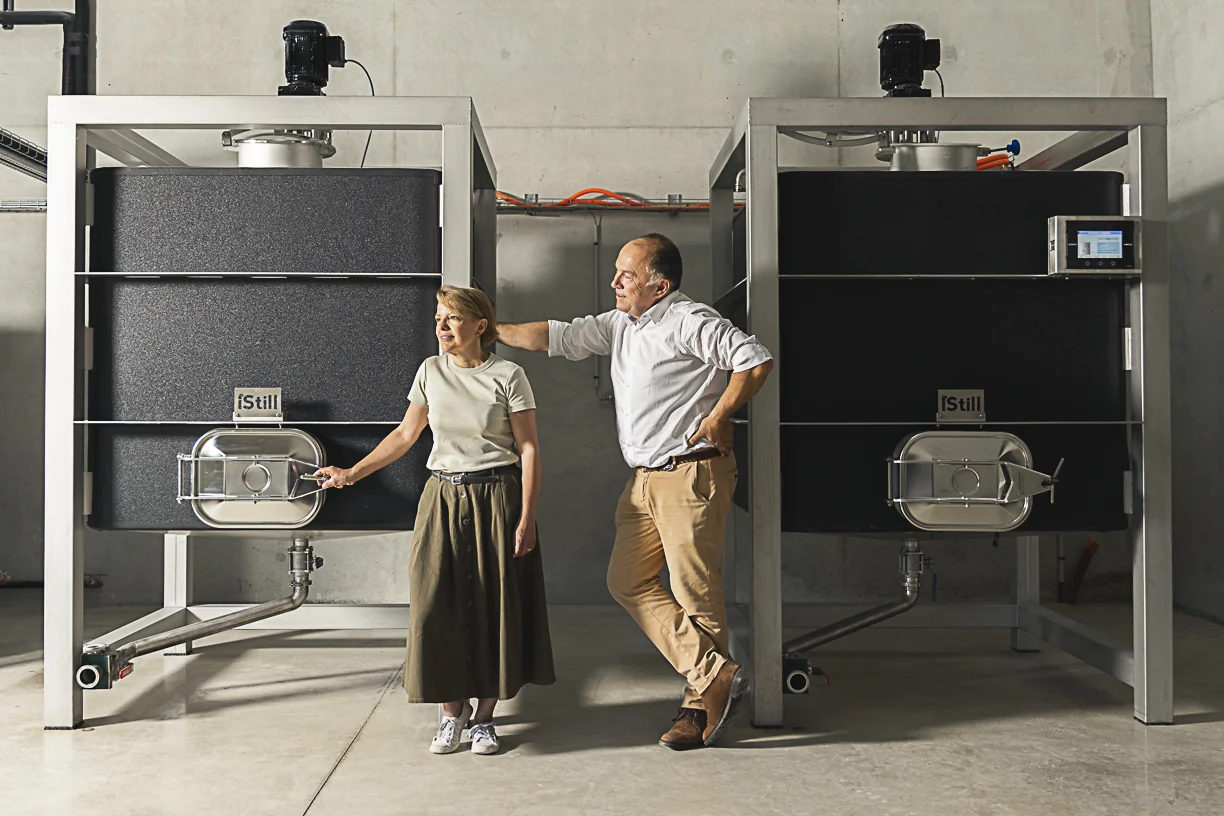
Distillerie de Soligny
Grain, fermentation and cask filling. One connected workflow.
France · Customer interview, 2025
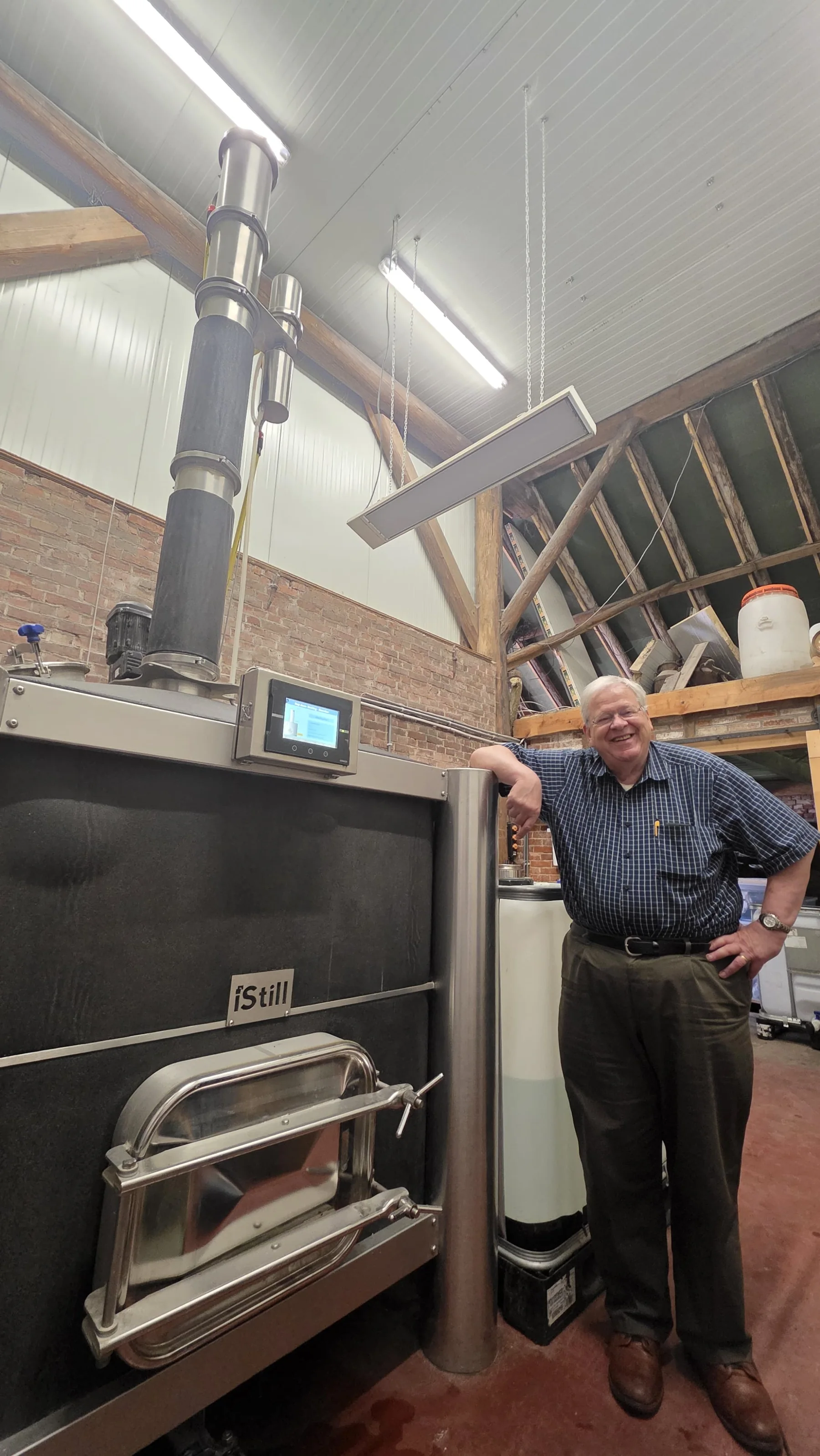
Wieke Distillers
Single-estate whisky, built around the family farm.
The Netherlands · Customer interview, 2025
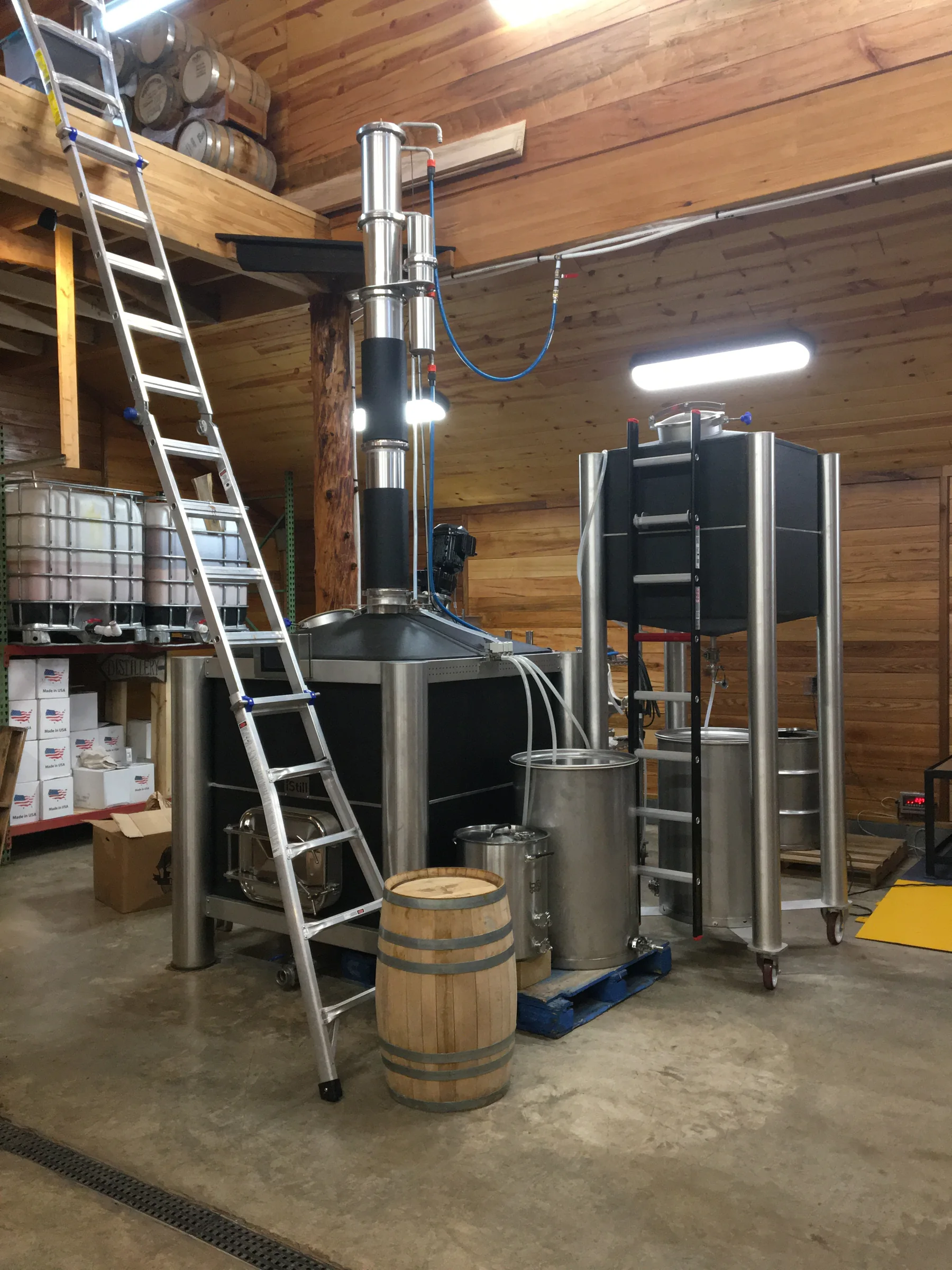
Still Hollow Spirits
A farm distillery with a versatile production workhorse.
West Virginia, USA · Customer story
Give the barrel something to work with.
Maturation is more than adding wood flavor. University separates oxidation, changing and recombining compounds, and extraction from oak. Those processes can soften, deepen and reshape a spirit. They also explain why a darker liquid or a stronger oak impression is not, by itself, proof of a better whisky.
Choose new-make profile, oak and entry strength together. A cask that complements one spirit may overwhelm another. Compare small, documented trials and taste over time rather than relying on barrel prestige or color alone. Your eventual house style depends on the interaction between what you distill and how you mature it.
Where iStill fits.
ABV control helps you develop a repeatable collection-strength strategy on the still. Final entry proof and cask selection remain deliberate downstream choices. A consistent new make gives your maturation trials a more useful starting point.
Build around the cask-filling rhythm.
Work backwards from the output and maturation program the business can support. Include fermentation time, cleaning, available operators and storage, not only still capacity. A larger still cannot solve a fermentation bottleneck or create room in a full warehouse.
Soligny provides a useful real-world example. In its 2025 interview, Vincent described a 2,000-liter workflow with a separate masher, four fermenters and a distilling iStill. The team reported filling four 228-liter casks in its working week. That is their operating model, not a general output promise, and it illustrates why the whole workflow matters.
Where iStill fits.
Use Design Studio and the capacity calculator to test your own assumptions. Discuss a phased layout with our team so the first equipment decision supports the next production stage without sacrificing the process you have learned.
Different tools. Informed choices.
Traditional equipment can make exceptional spirits. Compare the actual process and control you need, rather than a material, a shape or a headline.
| Decision | What to consider | The iStill approach |
|---|---|---|
| Character | Pot stills can produce excellent whisky and naturally form part of many established house styles. | The hybrid platform gives you ways to explore character-led distillation and stronger separation within one configurable system. |
| Column design | Plates, packing and reflux controls each have operating ranges. Compare the actual system rather than assuming every column behaves alike. | Packing and controlled reflux provide a broad separation range; develop the settings around the new-make profile you want. |
| Production rhythm | Separate mash, wash and spirit vessels may suit high utilization, while multipurpose vessels simplify other setups. | Compare a versatile starting setup with dedicated iMasher and iFermenter capacity as demand grows. |
“We use our iStill 2000 with indirect heaters as a do it all workhorse for mashing, fermenting and distilling whiskey.”Build your setup.
Explore the equipment, then compare sizes and options in Design Studio.
Questions worth asking.
Can an iStill make a flavorful whisky rather than a neutral spirit?
Yes. The hybrid approach is not restricted to high-purity operation. Reflux, power and run settings are developed around the character you want to retain. The important step is validating the new make and its maturation behavior, not simply selecting a high ABV.
Should I mash and distill in the same vessel?
That can be a useful starting arrangement with the right configuration. Dedicated mashing and fermentation vessels may support a busier schedule by allowing processes to overlap. Compare the whole working week and confirm heating and agitation options for the grain process.
Does more wood make a better whisky?
Not automatically. Wood extraction, oxidation and the changing spirit interact over time. University teaches barrel selection and entry proof as flavor decisions. Taste against your intended balance and record the development of each trial.
Go deeper. Learn from the source.
This guide draws on Odin’s teaching, the iStill archive and firsthand distillery interviews. The online University is free and open to everyone.
Explore the lessons, articles and tools 14 ↗
- Why Fermentation Drives Flavor ↗University
- Temperature, pH, and Fermentation Direction ↗University
- Innovation: Mashing made easy! ↗iStill Blog
- iStill NextGen ↗iStill
- Holy Trinity of Distillation ↗University
- Vapor Speed: Control Flavor and Cuts ↗University
- Distilling Top-Shelf Whisky is All About Vapor Speed! ↗iStill Blog
- Packed Columns ↗University
- What Barrels Actually Do: Oxidation, Recombination, Wood Extraction ↗University
- How to Choose Oak: Vanillin vs Tannin Outcomes ↗University
- Barreling Proof as a Flavor Lever ↗University
- iStill Innovation: ABV Control! ↗iStill Blog
- Interview with Vincent Godier from Soligny Distillery! ↗iStill Blog
- Yearly production capacity calculator ↗iStill
Keep exploring.
Have a project in mind?
A first idea, a question or a detailed plan. We can start from there.