Look at the whole production cycle.
Energy performance begins with the whole process. Compare heat input, separation, accepted output and the working schedule together, then make the business case using your own utilities and product.
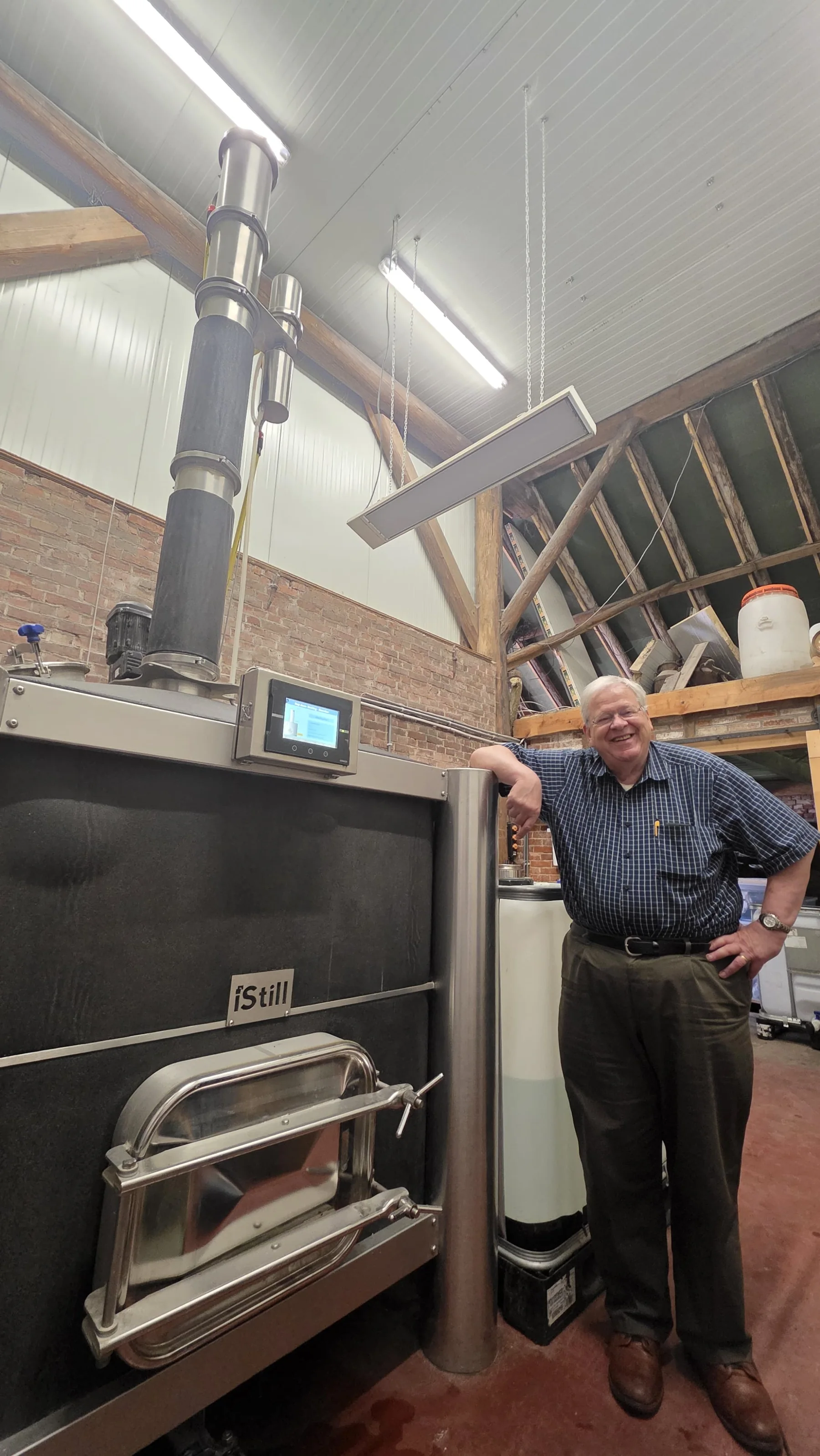
Start by comparing the same job.
A fuel bill for a steam system and an electrical reading at a still describe different points in the energy chain. Boiler and distribution losses, heat-up, idle time and the number of distillation passes all influence the result. A comparison is useful only when its boundary and output are clear.
Choose a meaningful basis, such as energy per liter of accepted spirit at a stated strength, across a complete production cycle. Include mashing where it belongs in the workflow. Measure cooling separately and keep product quality in the comparison, so an apparent saving does not conceal a different product.
Where iStill fits.
Compare the heating configuration, insulation and production route as a system. NextGen offers heating options suited to different processes; specify the arrangement for your feedstock and available utilities.
A real comparison, with its context intact.
In a 2022 article, iStill compared two workflows for mashing and distilling 4,000 liters of wash. The traditional steam-propane example used 4,200 kWh of fuel input across mashing, stripping and finishing. The customer iStill workflow reported 1,230 kWh of electrical input for mashing and single-pass distillation.
Those figures compare different equipment and production routes. They illustrate why the whole workflow deserves attention; they are not an isolated test of one component or a promise for your installation. The original article also used energy prices from 2022. Build today’s financial case with your own tariffs and assumptions.
Where iStill fits.
Ask how many passes your product requires, which heating option fits it and how much accepted output the complete cycle produces. Those questions turn a historical example into a useful framework for your own project.
Two published workflows
Mashing + distilling 4,000 L of wash · 2022 example
Their ambition. In the glass.
The producers, the products and the recognition they have earned.
Wieke Distillers
Single-estate whisky, built around the family farm.
The Netherlands · Customer interview, 2025
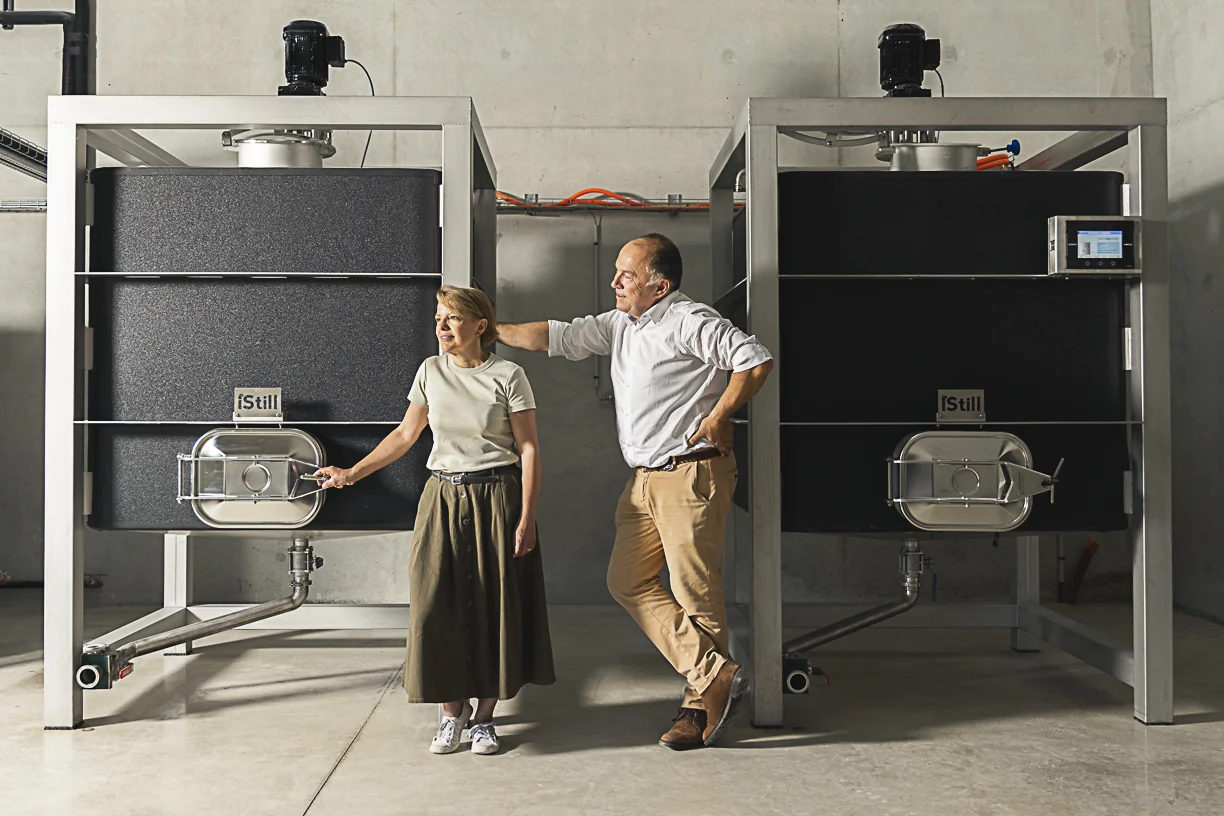
Distillerie de Soligny
Grain, fermentation and cask filling. One connected workflow.
France · Customer interview, 2025
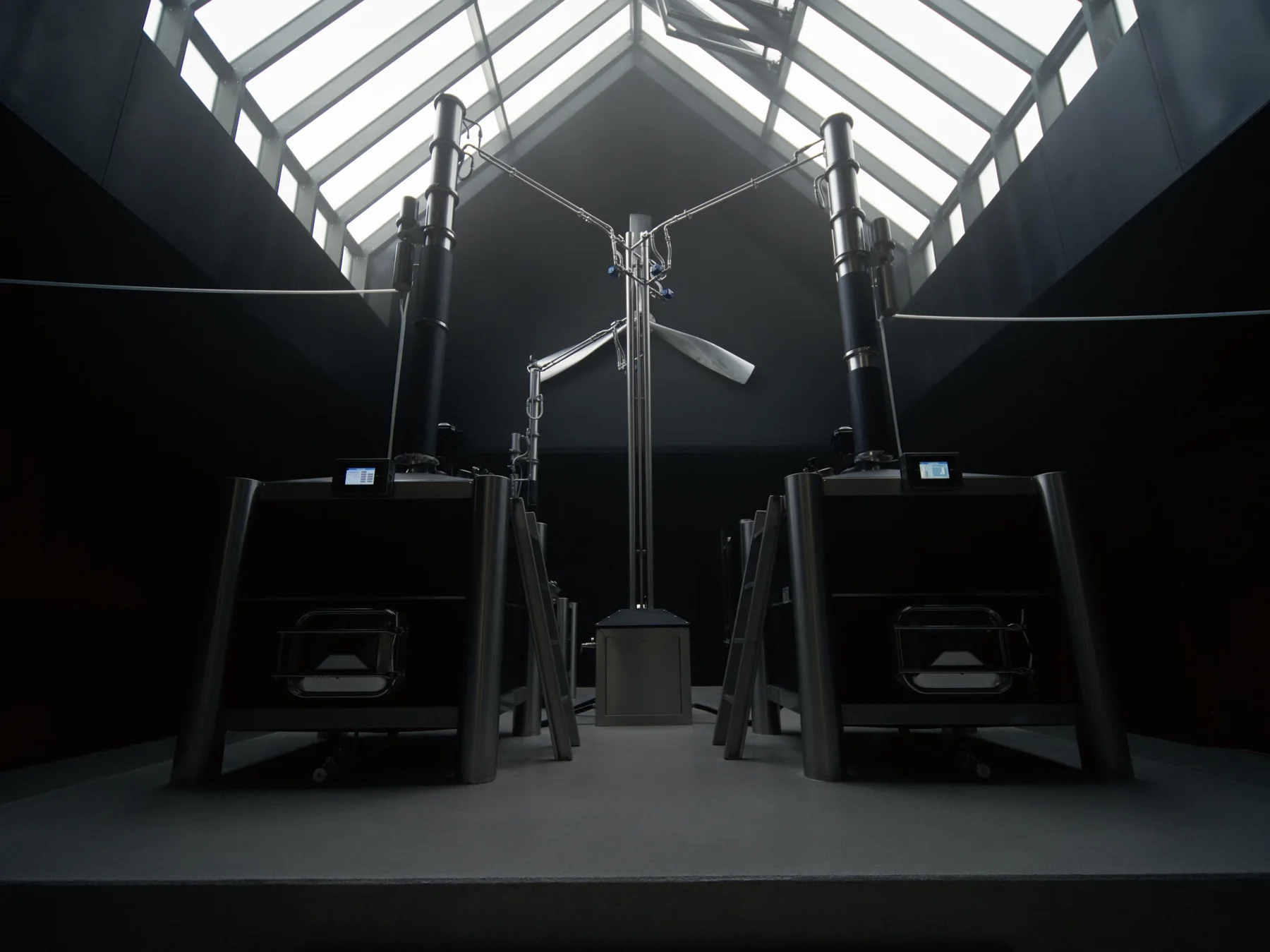
Pegasus Distillerie
From iMini trials to three production hybrids.
Burgundy, France · Customer interview, 2026
Keep useful heat in the process.
Insulation limits heat loss from equipment surfaces. Heating design determines how energy reaches the charge and interacts with solids, agitation and the desired flavor process. The correct choice for a clear spirit charge may differ from a grain or fruit workflow.
Utilities also influence scheduling. Confirm the electrical supply, peak demand, cooling arrangements and simultaneous loads before selecting the setup. A site with renewable generation still needs a realistic match between production demand and available supply.
Where iStill fits.
Review NextGen’s heating choices and insulated design alongside your site information. Wieke’s solar-powered distillery story is a useful example of equipment and location being planned together, rather than a claim that every site will achieve the same result.
Make the savings visible in your own numbers.
Track consumption, accepted output and operator time over representative batches. Include cleaning, changeovers and idle periods. Separately account for fermentation, finishing and bottling where they affect the investment decision.
Model the working year with realistic utilization, maintenance and your product mix. Test changes in energy prices and demand. This avoids choosing equipment on a single impressive percentage while overlooking capacity, quality or the cost of an underused installation.
Where iStill fits.
Use the capacity calculator as a starting point, then discuss a configuration and measurement plan with our team. The strongest business case is one you can explain from your own process and revisit as production grows.
Different tools. Informed choices.
Traditional equipment can make exceptional spirits. Compare the actual process and control you need, rather than a material, a shape or a headline.
| Decision | What to consider | The iStill approach |
|---|---|---|
| Measurement boundary | Fuel input, steam delivered and electricity consumed are different measures. | State the boundary, complete workflow and accepted output before comparing. |
| Production route | Separate stripping and finishing passes may suit a chosen product and operating model. | Assess whether a suitable single-pass hybrid workflow meets the same product target. |
| Commercial return | Published percentages depend on equipment, process and energy prices. | Build the investment case with your tariffs, utilization, quality standard and actual configuration. |
“We only distill when the sun is shining. Creating liquid sunshine.”Build your setup.
Explore the equipment, then compare sizes and options in Design Studio.
Questions worth asking.
Will my distillery reproduce the 2022 energy comparison?
The published figures belong to those equipment configurations and workflows. Your feedstock, recipe, separation requirements, utilities and operating schedule affect consumption. Use the example to define what to measure, not as a guaranteed saving.
Is electric heating always cheaper than steam?
No. Local electricity and fuel prices, system losses, infrastructure, peak demand and utilization all matter. Compare the complete installed process and your own tariffs.
Can a more efficient setup also make flavorful spirits?
Energy use and flavor should be evaluated together. Develop the desired spirit first, then compare the route and settings needed to reproduce it. A lower-energy run is useful only when it meets the product standard.
Go deeper. Learn from the source.
This guide draws on Odin’s teaching, the iStill archive and firsthand distillery interviews. The online University is free and open to everyone.
Explore the lessons, articles and tools 5 ↗
Keep exploring.
Have a project in mind?
A first idea, a question or a detailed plan. We can start from there.