Write a brief someone else can taste.
“Better gin” is difficult to test. “Juniper-led, a fresh citrus opening, little late rootiness, and enough structure for our house tonic” gives you something to compare. State the drinking occasion, target strength and the profile you want before changing ingredients.
For whisky or rum, include the intended maturation. For a liqueur, include sweetness, texture and stability after blending. You are developing the finished drink, not just an exciting sample at collection strength.
Change one useful variable at a time.
Keep a control recipe. Change one ingredient, preparation step or operating condition and record the result. If you change the botanical bill, extraction and cut strategy together, it becomes difficult to know which change helped.
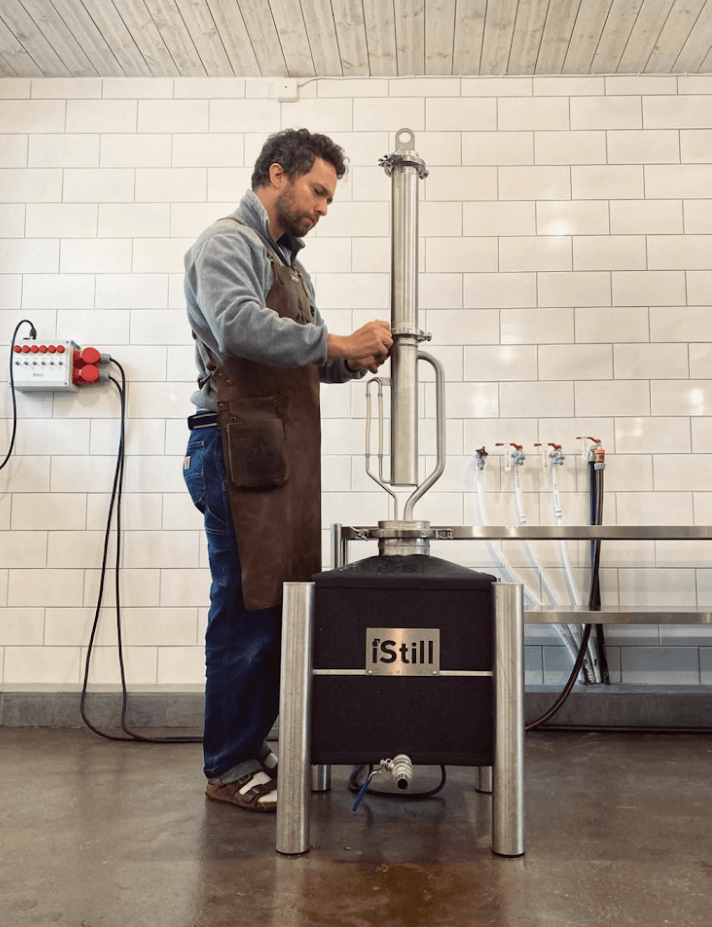
iMini gives you a practical place for this work while the production equipment keeps earning. Taste fractions at a consistent dilution and compare finished blends blind where possible. A smaller trial is valuable because you can repeat and understand it—not because every small recipe scales unchanged.
- Record the raw-material lot, weights and preparation.
- Record charge conditions, extraction, power, reflux and collection decisions.
- Record the finished formulation, tasting conditions and result.
Separate an extraction question from a blending question.
If a botanical extract is too tannic, adding more sugar may mask the issue without solving it. Compare another extraction condition or a redistilled essence before fixing the final blend. Odin’s strawberry and blackberry trials show why two fruits may need different routes.
Once you have the flavor ingredient you want, hold it constant and compare water, strength and sweetness in small blends. Check appearance and flavor after resting and under the expected storage conditions. Keep the accepted reference and repeat the winning formulation.
Make the winning trial production-ready.
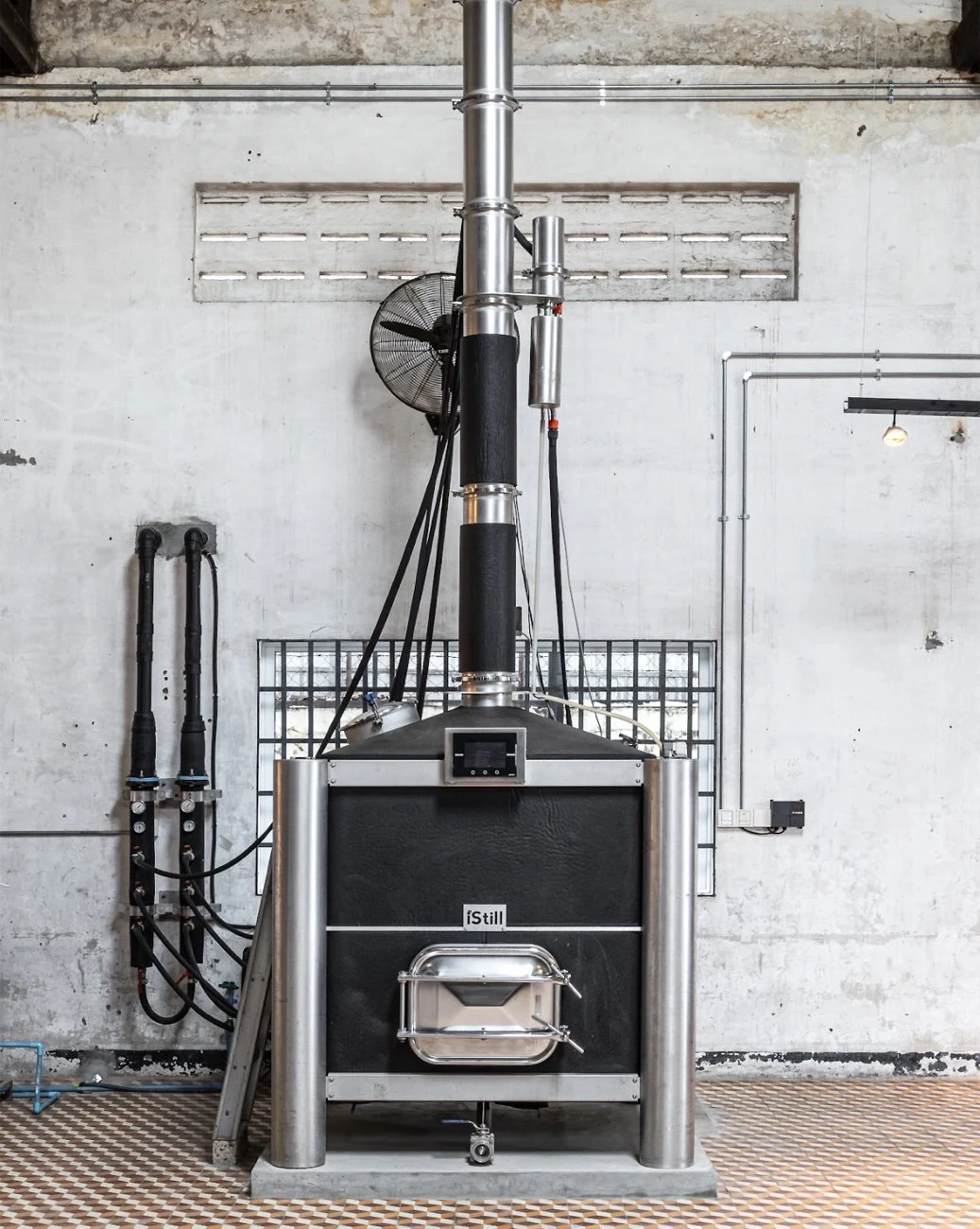
Transfer the full process, not only its ratios. Validate loading, contact conditions, heat-up and collection on the production configuration. Compare the finished drink with your reference and document the settings that actually reproduce it.
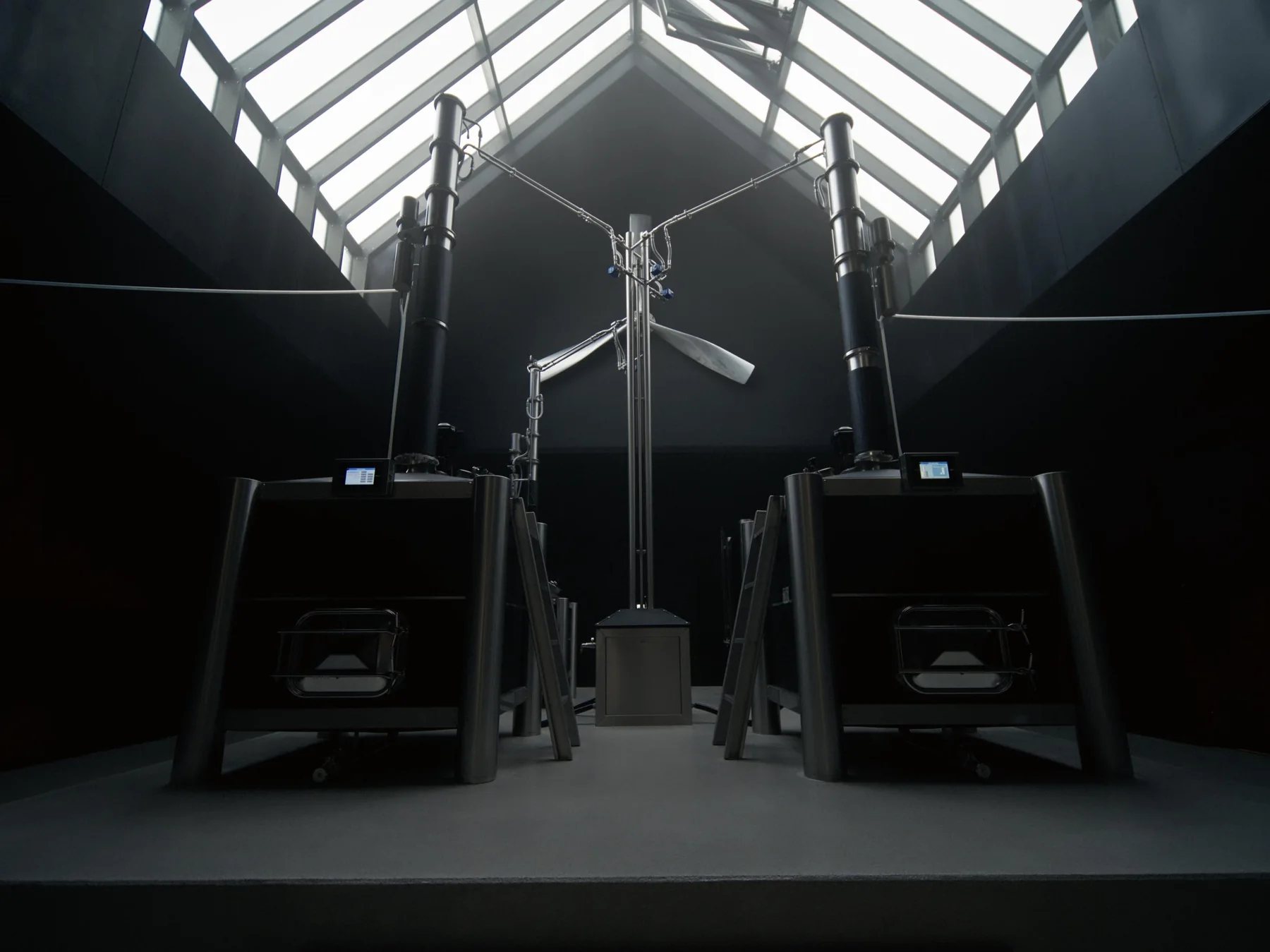
Then prepare the handover: recipe version, ingredients, run settings, changeover procedure and release checks. NextGen can repeat the validated operating decisions while your team judges the product. That is how a creative experiment becomes a house recipe you can confidently sell.