Keep your craft. Repeat your best.
Automation is most valuable when it preserves a process you understand. Put the distiller’s decisions into repeatable operating settings, then use the time and attention released to improve the product and business.
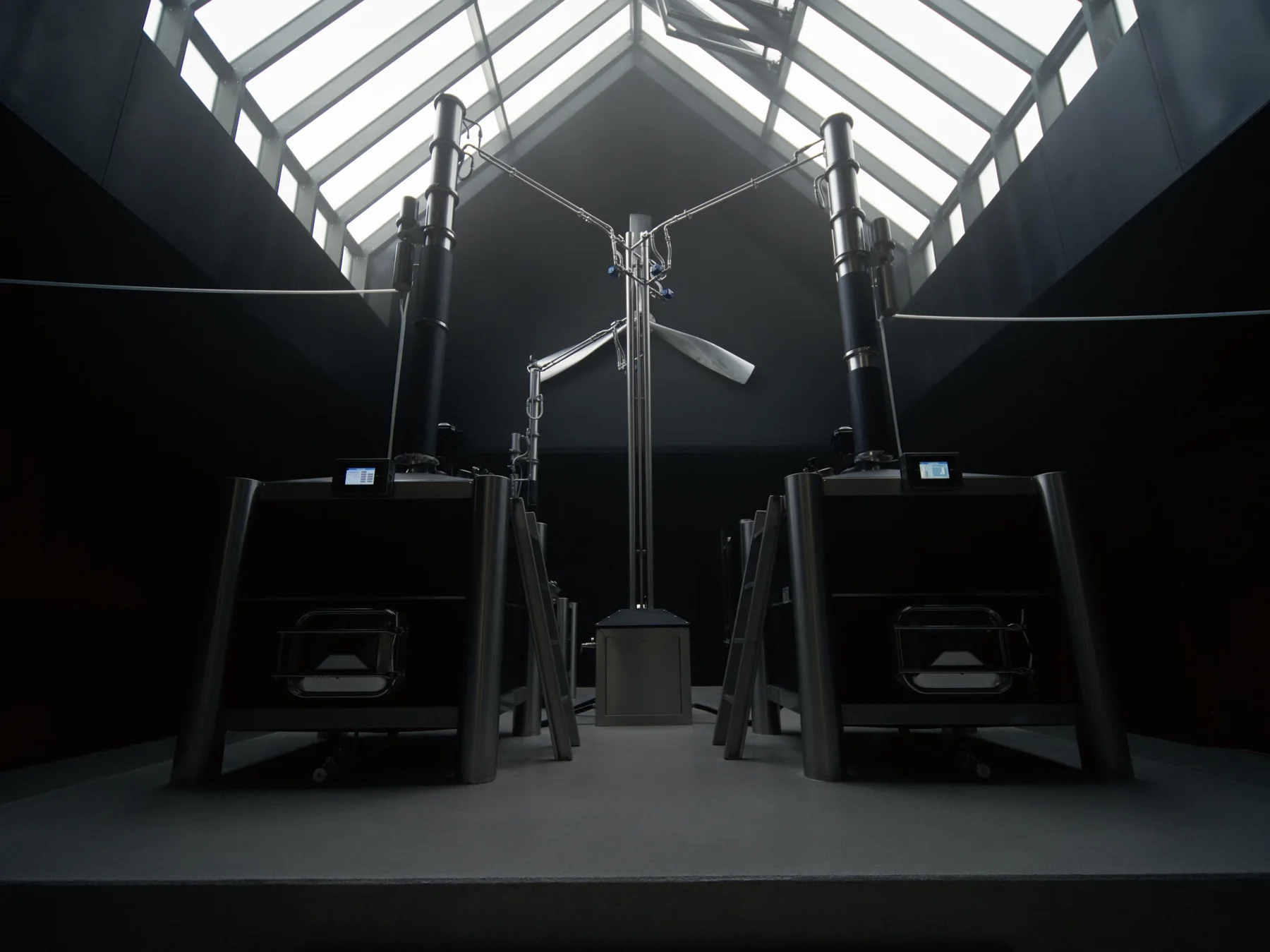
First define what deserves repeating.
Two runs can reach the same alcohol strength and still taste different. Fermentation quality, botanical preparation, charge composition, boil-up, reflux and cuts all contribute to the result. A successful recipe therefore contains more than a temperature or an ABV target.
Develop the sensory profile through controlled trials. Record the input, process and finished evaluation together. When the team knows which changes matter, automation becomes a way to carry that knowledge into production instead of a substitute for understanding it.
Where iStill fits.
NextGen combines recipe-driven operation, ABV control and automated cuts. Use it to repeat developed settings while maintaining the quality checks that define your own acceptable product.
Control the process where it changes.
In a manually managed column, cooling and reflux adjustments can demand repeated operator attention. The archive follows iStill’s development of liquid management: vapor is condensed, then liquid take-off and return are controlled to manage the run. This separates the control decision from simply adjusting condenser water flow.
That distinction relies on complete condensation and suitable utilities. It does not make cooling irrelevant. Power, separation, atmospheric conditions and collection strategy still interact. The useful advantage is a more deliberate, repeatable way to manage those variables.
Where iStill fits.
NextGen brings controlled reflux, ABV control and atmospheric-pressure compensation together. Discuss the selected configuration and utility requirements, then validate how its controls support your product’s collection strategy.
One platform. Different separation goals.
Develop power, reflux and cuts around the flavor you want to retain. A lower-separation approach can preserve more character; the right balance is established through tasting.
- Vapor-liquid contact
- Condensation
- Controlled return and collection
Their ambition. In the glass.
The producers, the products and the recognition they have earned.
Pegasus Distillerie
From iMini trials to three production hybrids.
Burgundy, France · Customer interview, 2026
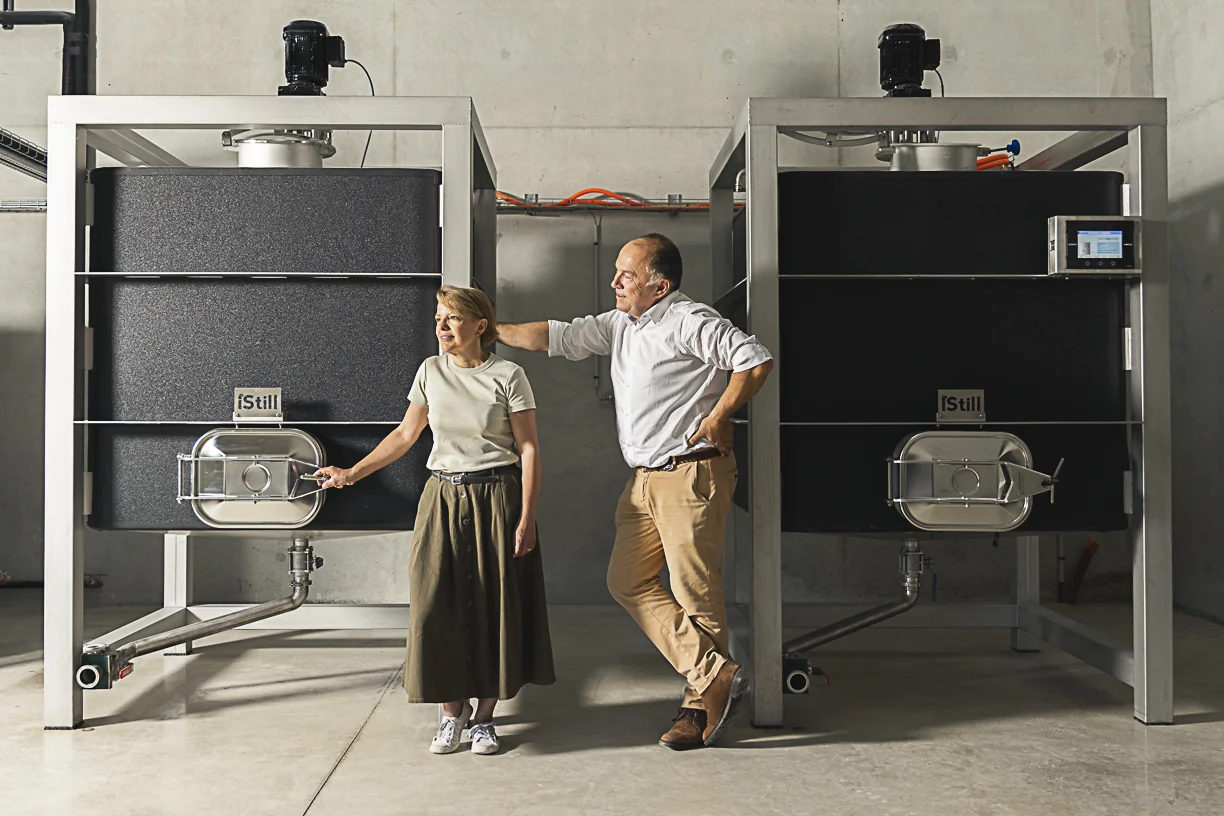
Distillerie de Soligny
Grain, fermentation and cask filling. One connected workflow.
France · Customer interview, 2025
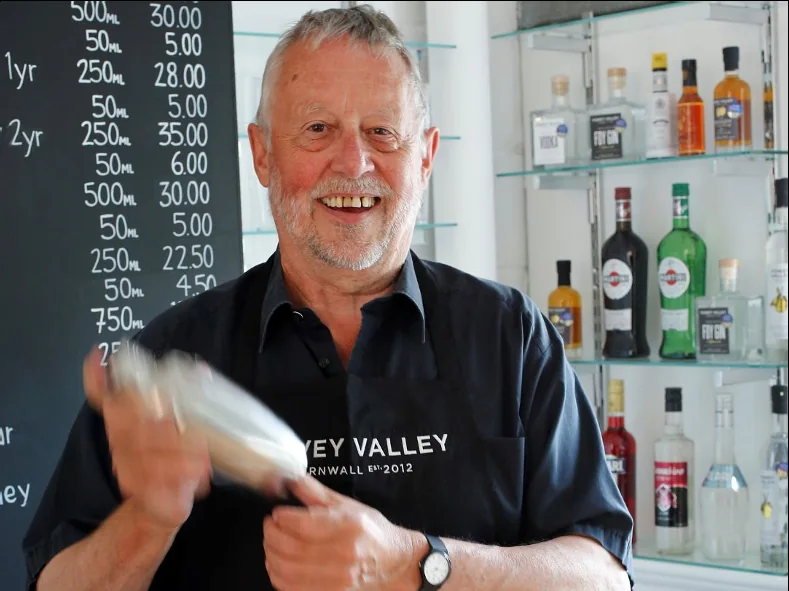
Fowey Valley Distillery
From a restored orchard to a from-scratch spirits portfolio.
Cornwall, UK · Founder interview, 2023
Move expertise into the team.
A process that exists only in one person’s hands is difficult to scale. Saved settings make part of that knowledge transferable, but operators still need to understand charging, recipe selection, monitoring, cleaning and the response to an unexpected result.
The opportunity is to reduce repetitive correction and make handovers more consistent. Assess the actual workload across the day: preparation, transfer, quality checks and finishing remain real tasks. Staffing should follow the installation and oversight requirements rather than a blanket claim that the still replaces a fixed number of people.
Where iStill fits.
Combine NextGen with operator training and, where suitable, iStill Connect monitoring. Remote visibility supports an informed team; it does not replace the supervision and responsibilities of operating a distillery.
Measure consistency alongside time saved.
Compare batch records and finished sensory results before and after a process change. Track accepted output, intervention time, rejected or reworked product and changeover work. A faster run is valuable only if it still produces the product you intended.
Pegasus describes growing from development trials into a multi-still production installation. Soligny describes an equipment workflow aligned with its farm and cask-filling schedule. Their experiences demonstrate the value of a process that fits its operators and commercial rhythm, rather than automation as a feature in isolation.
Where iStill fits.
Use a product trial and a realistic working-week model to define success for your team. The result should be a repeatable process with clear quality checks and a measurable operational benefit.
Different tools. Informed choices.
Traditional equipment can make exceptional spirits. Compare the actual process and control you need, rather than a material, a shape or a headline.
| Decision | What to consider | The iStill approach |
|---|---|---|
| Repeatability | Skilled manual operation can be consistent, with careful records and attention. | Recipe-driven settings and automated cuts help a trained team repeat a validated run. |
| Reflux management | Cooling-controlled approaches require an understanding of how water and condensation affect separation. | Liquid management controls take-off and return after condensation, with appropriate cooling still required. |
| Operator role | Manual adjustment can consume attention throughout the cycle. | Operators can focus more on preparation, quality and the broader workflow, with appropriate oversight. |
“iStill is really remarkable when it comes to the level of precision, repeatability and scalability. It is priceless for us.”Build your setup.
Explore the equipment, then compare sizes and options in Design Studio.
Questions worth asking.
Does automation decide what a good spirit tastes like?
No. The distiller defines the sensory target, develops the process and validates the finished product. Automation helps repeat the selected operating settings.
Does ABV control replace sensory checks?
No. ABV measures alcohol concentration. Sensory evaluation and your quality specification establish whether the product has the balance you intended.
Can the equipment run without trained supervision?
Plan trained operation, appropriate oversight, maintenance and site responsibilities. Discuss the configuration and remote monitoring options with the team; automation is not a general promise of unattended operation.
Go deeper. Learn from the source.
This guide draws on Odin’s teaching, the iStill archive and firsthand distillery interviews. The online University is free and open to everyone.
Explore the lessons, articles and tools 12 ↗
- Holy Trinity of Distillation ↗University
- Developing a Gin Recipe: Botanicals and Ratios ↗University
- iStill NextGen ↗iStill
- Liquid Management: Repeatability ↗University
- iStill Innovation: ABV Control! ↗iStill Blog
- Vodka Distilling Made Easier! ↗iStill Blog
- iStill University ↗University
- Owning an iStill ↗iStill
- iStill Connect ↗iStill
- Interview with Maxime from Pegasus Distillery ↗iStill Blog
- Interview with Vincent Godier from Soligny Distillery! ↗iStill Blog
- Yearly production capacity calculator ↗iStill
Keep exploring.
Have a project in mind?
A first idea, a question or a detailed plan. We can start from there.