Precision you can taste.
Neutrality is a sensory achievement, not just a number on an alcoholmeter. Build the fermentation, separation and finishing process around a clean product you can reproduce.
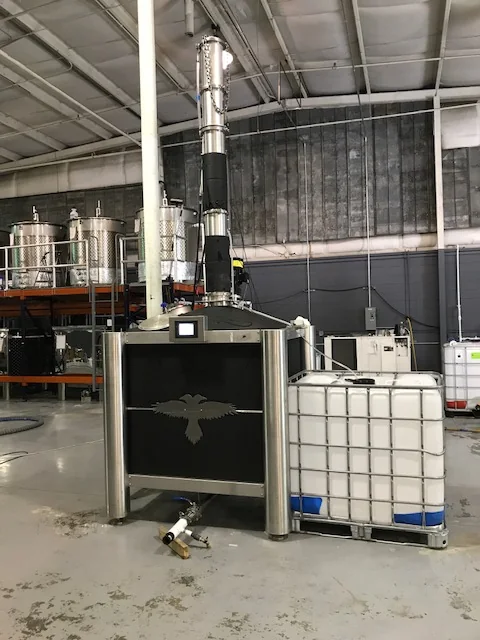
Choose the signature that remains.
Vodka aims for a much quieter flavor profile than a whisky or a rich rum, but the starting material still matters. University uses wheat, rye and potato to discuss different impressions of softness, spice and texture. These are starting points for tasting and development, not guarantees attached to an ingredient name.
Decide whether you are making the base from scratch or refining purchased spirit. That changes the fermentation, equipment and capacity you need. If you ferment, choose a yeast and operating conditions that support your neutrality target rather than deliberately maximizing the flavor approach used for a heavier spirit.
Where iStill fits.
Match fermentation capacity and the hybrid still to the chosen route. This helps you evaluate the actual process needed for your vodka instead of buying a vessel based only on its nominal volume.
High proof and clean flavor are different tests.
An ABV reading tells you the alcohol concentration. It does not fully describe which other compounds remain. For a neutral style, separation and sensory evaluation matter together. You want to concentrate unwanted early and late fractions away from the hearts, while maintaining the profile and yield you have set out to achieve.
A column creates repeated vapor-liquid contact within a run. Reflux returns condensed liquid through that contact zone, increasing separation while affecting take-off. The practical question is not how impressive a column looks or how many plates it advertises. Ask whether its internals and controls can sustain the separation your product requires.
Where iStill fits.
NextGen uses a hybrid column with controlled reflux and take-off. ABV control and atmospheric-pressure compensation support repeatable operation. Validate both strength and taste; a stable target strength is one useful process measure, not the complete release specification.
One platform. Different separation goals.
Develop power, reflux and cuts around the flavor you want to retain. A lower-separation approach can preserve more character; the right balance is established through tasting.
- Vapor-liquid contact
- Condensation
- Controlled return and collection
Their ambition. In the glass.
The producers, the products and the recognition they have earned.
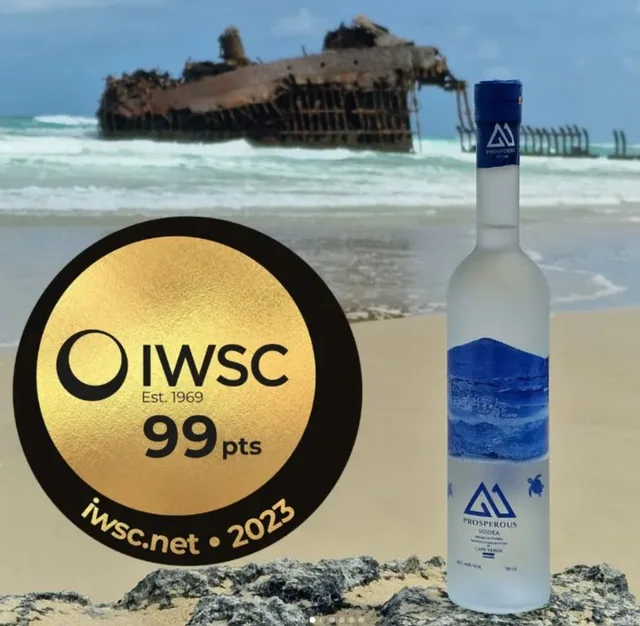
Kriol · Prosperous Vodka
99 points · Gold Outstanding
IWSC · 2023
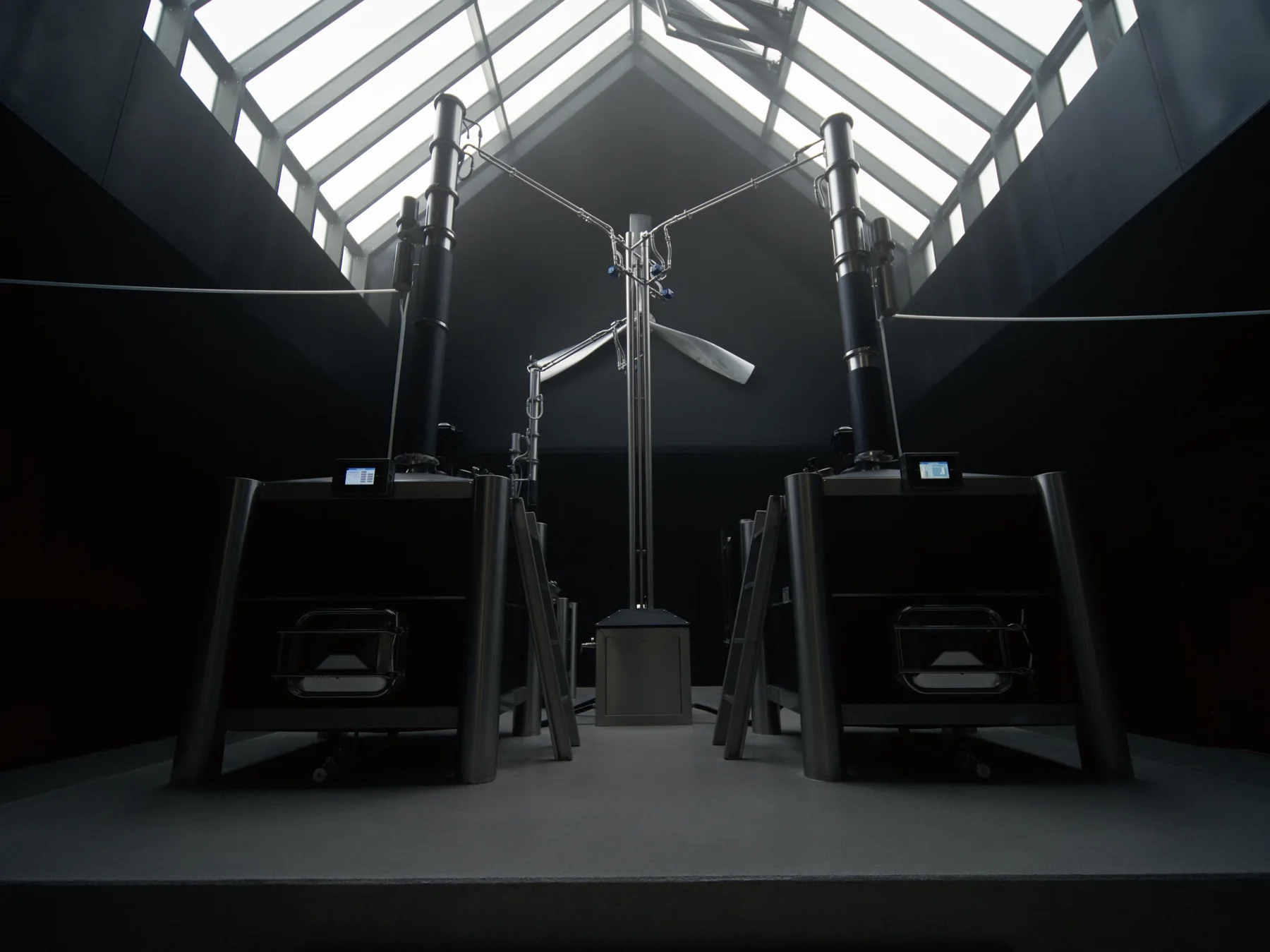
Pegasus Vodka
96 points · Platinum
Beverage Testing Institute · 2025
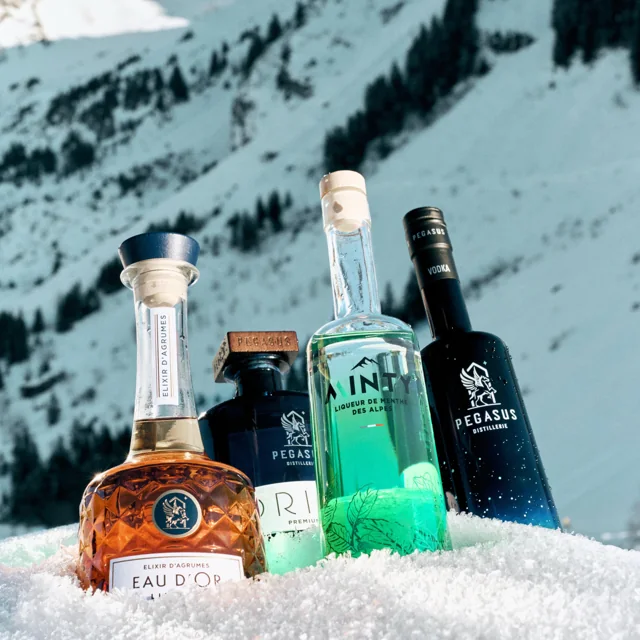
Pegasus Distillerie
From iMini trials to three production hybrids.
Burgundy, France · Customer interview, 2026
Protect the work after collection.
A well-separated spirit can acquire a different impression during dilution and finishing. Water has its own composition and sensory contribution. University therefore treats water selection, proofing and evaluation after resting as part of vodka production, rather than an administrative step after the still.
Develop a repeatable proofing method and test the finished product under the conditions in which you expect it to be judged. Very cold serving can make flaws harder to notice, so evaluate the product more broadly than one freezer-cold sample. Keep the same care in storage, blending and bottling that you applied during distillation.
Where iStill fits.
Use the still's repeatability to create a stable starting spirit, then document the downstream process separately. Consistent collection settings make it easier to identify whether a change came from distillation, water or finishing.
Make purity work commercially.
Greater separation and faster collection are not interchangeable goals. Raising take-off without protecting separation can change what reaches the product. Compare accepted output, energy and operator attention over a complete cycle, including heat-up and cleaning.
The iStill archive documents the development of liquid management, atmospheric-pressure compensation and ABV control over successive equipment generations. The underlying ambition is consistent: reduce the manual correction needed to keep a run on target. Historic performance figures belong to their tested configuration and date; build a current proposal around your own product and site.
Where iStill fits.
Discuss the required purity, batch rhythm and utilities before choosing a model. The same hybrid platform can also support other styles, which is valuable if your neutral base is the starting point for a wider botanical or liqueur range.
Different tools. Informed choices.
Traditional equipment can make exceptional spirits. Compare the actual process and control you need, rather than a material, a shape or a headline.
| Decision | What to consider | The iStill approach |
|---|---|---|
| Separation | Repeated pot distillation and column separation are different ways of increasing purity, with different workflows and energy demands. | A configured hybrid column provides repeated internal contact with controlled reflux and take-off. |
| Control | Manual cooling-managed systems can be operated well, but their operator must account for changing cooling conditions. | Liquid management controls condensed liquid take-off; the selected setup must still provide complete condensation and suitable utilities. |
| Quality assessment | High proof is useful process information, but does not establish a complete sensory or finished-product standard. | Combine repeatable settings and ABV control with tasting, proofing and documented release checks. |
“One of the most impressive characteristics of the iStill is the ability to distill with precision and purity, in just one run.”Build your setup.
Explore the equipment, then compare sizes and options in Design Studio.
Questions worth asking.
Is reaching a high ABV enough to make excellent vodka?
No. Alcohol strength is only one measure. Evaluate the remaining flavor profile, cut decisions, water and finished-product consistency as well. Your product standard should include sensory checks alongside the relevant analytical and market requirements.
Why does reflux matter for vodka?
Returning condensed liquid through the column creates additional vapor-liquid contact and supports separation. Increasing reflux also affects take-off. The process needs a deliberate balance, maintained by the selected column and control configuration.
Can the same equipment make vodka and botanical products?
A suitably configured hybrid platform can support those different goals. Confirm the separation range, extraction options, scheduling and cleaning requirements for the actual portfolio. Develop a validated process for each product.
Go deeper. Learn from the source.
This guide draws on Odin’s teaching, the iStill archive and firsthand distillery interviews. The online University is free and open to everyone.
Explore the lessons, articles and tools 11 ↗
- Choosing Vodka Base Ingredients ↗University
- Why Fermentation Drives Flavor ↗University
- Vodka Basics: Purity, Proof, and Taste ↗University
- Vodka Distillation and Column Separation ↗University
- Packed Columns ↗University
- Liquid Management: Repeatability ↗University
- Vodka Distilling Made Easier! ↗iStill Blog
- iStill NextGen ↗iStill
- Vodka Dilution: Water, Safety, Repeatability ↗University
- iStill Innovation: ABV Control! ↗iStill Blog
- Yearly production capacity calculator ↗iStill
Keep exploring.
Have a project in mind?
A first idea, a question or a detailed plan. We can start from there.