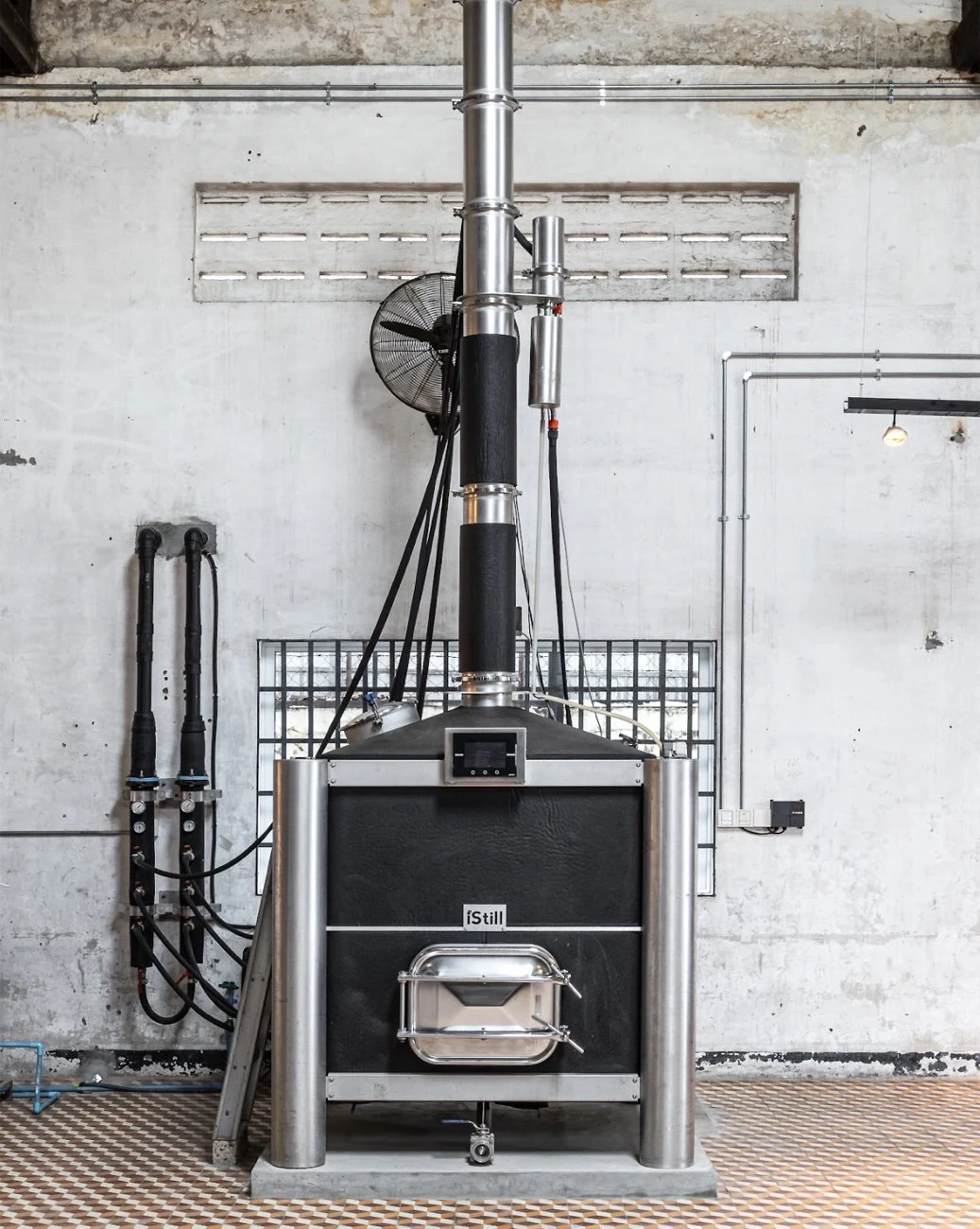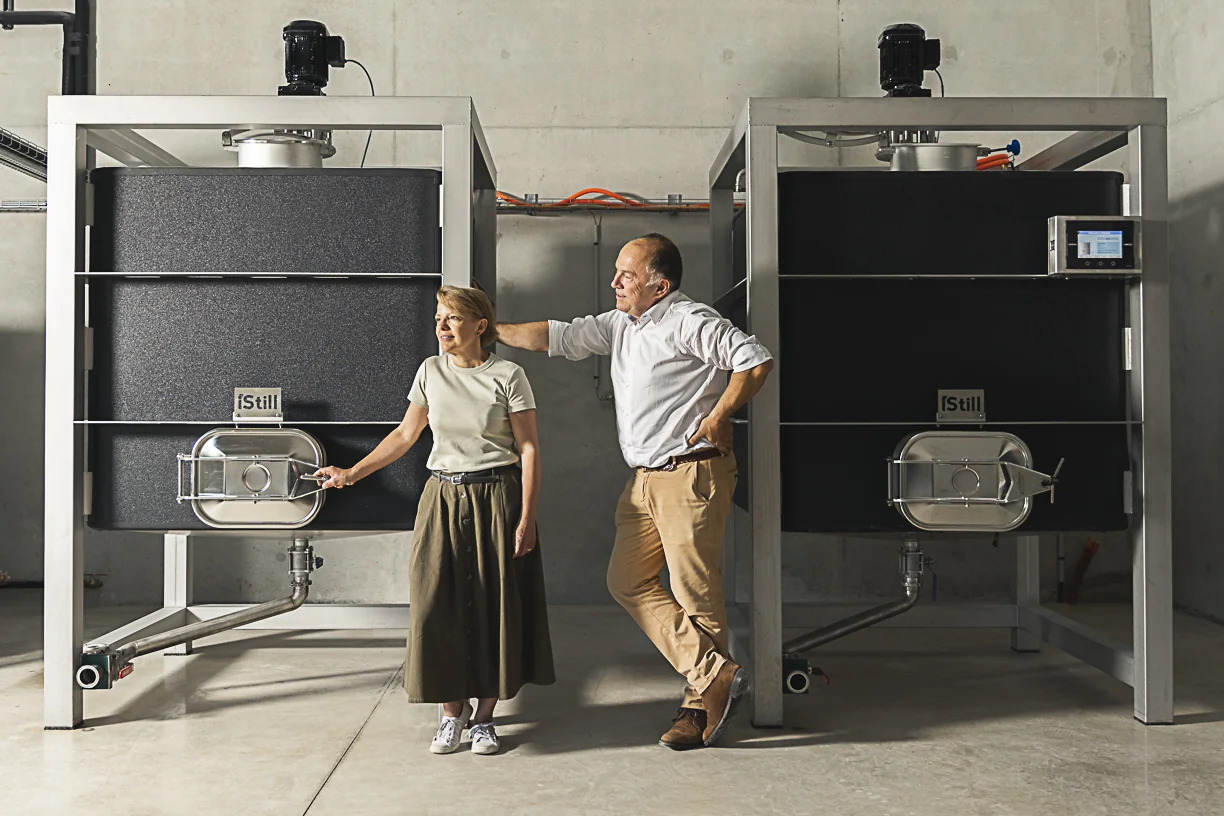
Decide what happens before the still.
You can launch a gin brand from purchased neutral spirit or build a grain-to-glass distillery that makes its own base. Both can produce distinctive drinks. They ask for different equipment, time and working capital. Write down the route for each launch product before comparing vessel sizes.
For purchased-base gin, plan base storage, botanical preparation, distillation or formulation, proofing and bottling. For whisky, add grain handling, mashing, fermentation and a cask program. If you want both, decide which processes share equipment and when. A flexible NextGen can support a portfolio, but one vessel cannot perform two jobs at the same time.
You may not need separate vessels to start.
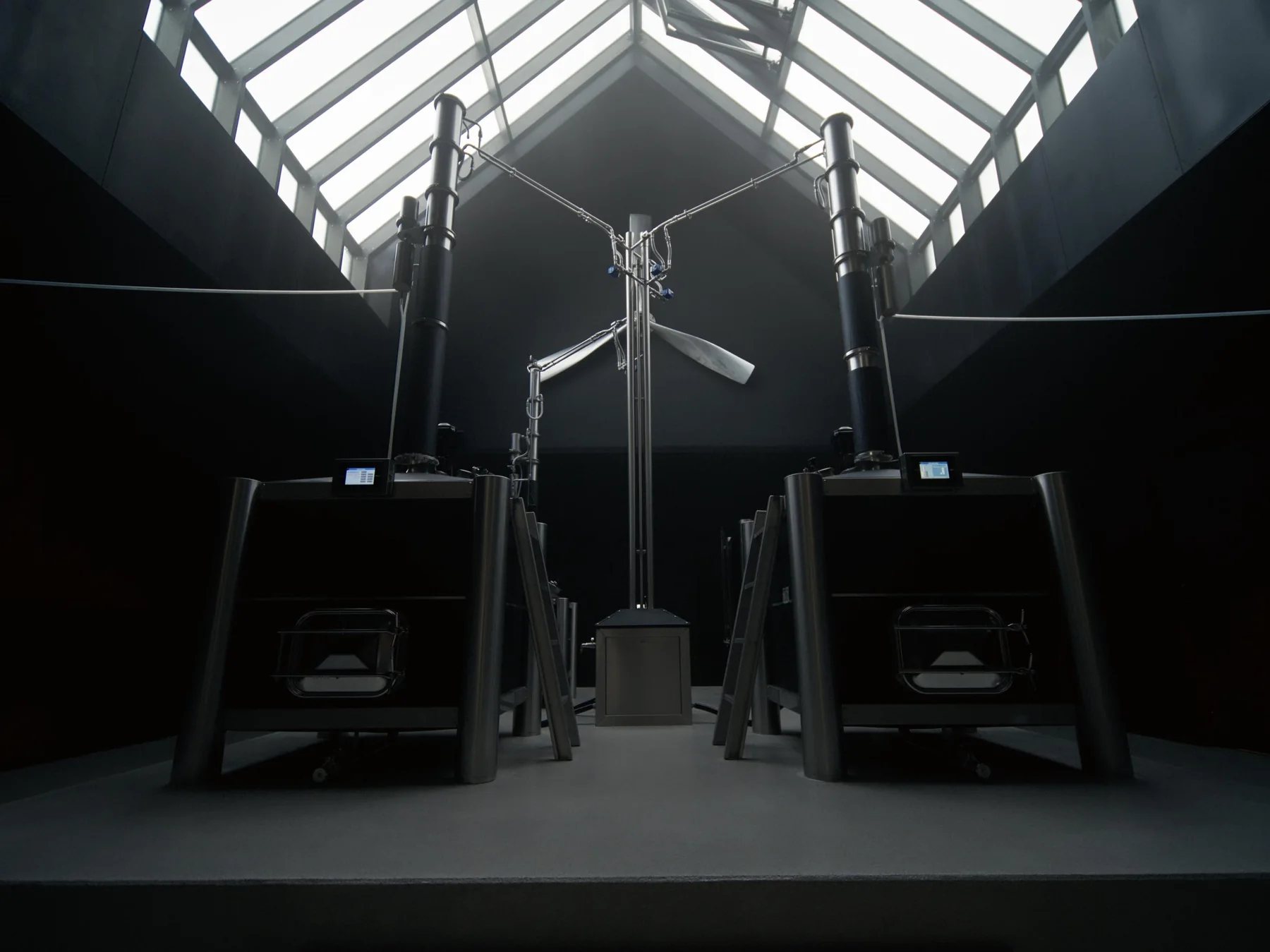
With the right heating, cooling and agitation options, an iStill NextGen can mash, ferment and distill in the same vessel. For a compact distillery, that can reduce the number of vessels, transfers and connections you need. Choose the configuration around your ingredients and production route.
The trade-off is time: a vessel fermenting a wash is unavailable for distillation. Model the complete cycle before choosing a size. When demand grows, dedicated iMashers and iFermenters let preparation and fermentation run alongside distillation, keeping the NextGen available for more production runs.
Turn the sales ambition into a batch plan.
Start with bottles you can realistically sell, the bottle size and the target strength. Work backwards to the accepted spirit you need, then to the feedstock and production cycles. Keep loss and rejection assumptions visible. A large boiler is not a sales forecast.
For example, 10,000 bottles of 700 ml represent 7,000 liters of finished drink. At 40% ABV, that contains 2,800 liters of pure alcohol before allowing for process losses. The amount you must ferment or buy depends on your route and actual recovery. Use those quantities to test the schedule and budget rather than equating boiler liters with bottled liters.
- Include cleaning, changeovers, proofing and packaging in the working week.
- Model fermentation and maturation separately from the distillation cycle.
- Keep launch stock, raw materials, casks and cash for the sales ramp in the budget.
Check the space and utilities early.
Before ordering, check the equipment’s route into the building as carefully as its final position. Electrical supply, cooling, drainage, ventilation, working space and material handling all belong in the layout. Confirm local requirements with the people responsible for the site and approvals.
Compare the dimensions, capacity and utility needs of the models you are considering. Think about which jobs share a vessel and which need dedicated equipment. Design Studio lets you explore the available sizes and options; our team can answer questions about the iStill range.
Build the team alongside the installation.
Your first good batch is more useful when the team understands why it worked. Give operators a common foundation in fermentation, distillation, cuts and flavor through the free online University, then connect that knowledge to practical training and written procedures.
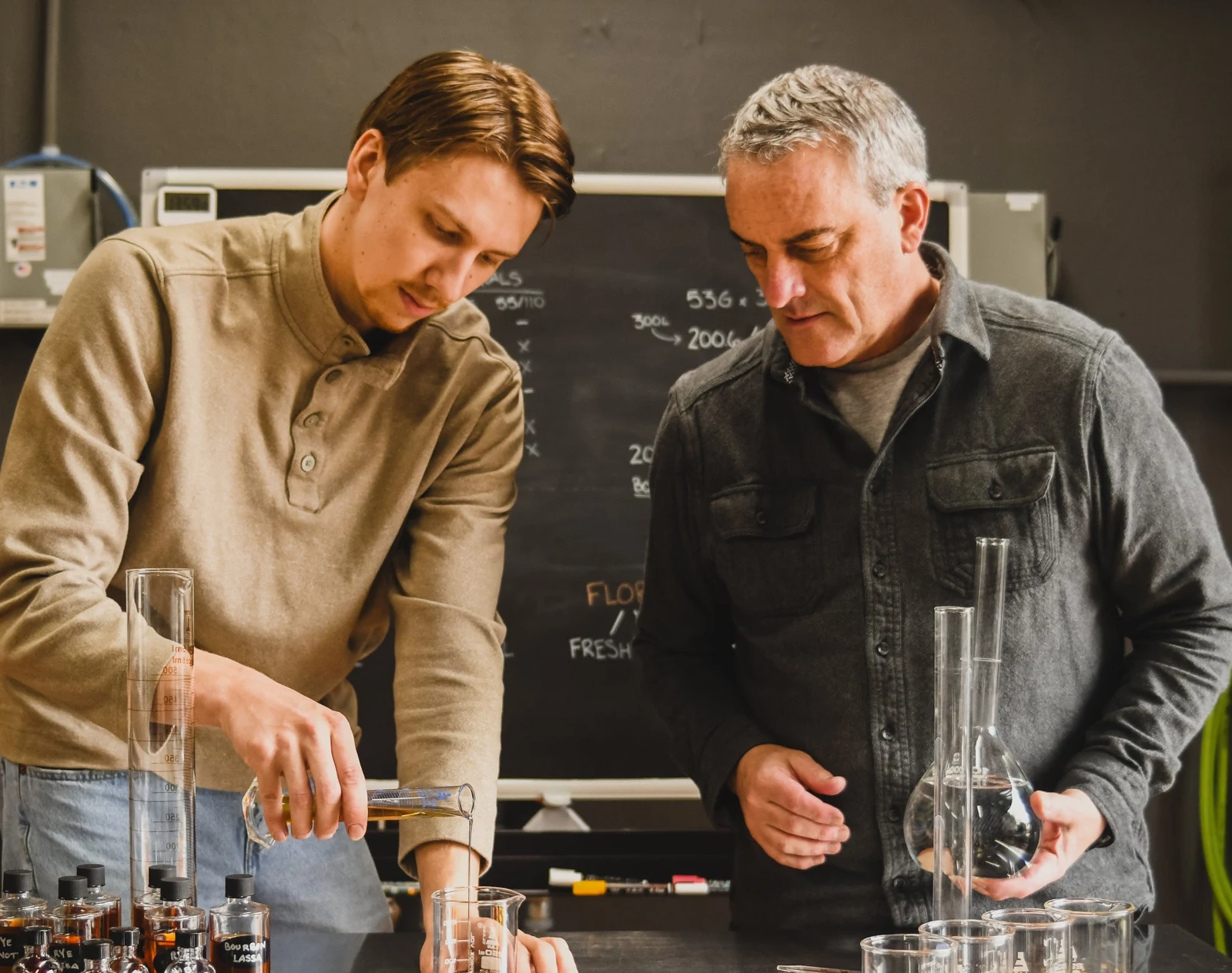
Develop the reference recipe and release checks before pushing for maximum output. iMini provides a development scale; NextGen’s recipe settings help carry a validated process into production. Keep room for learning in the launch schedule. It is cheaper to resolve a recipe question in a trial than in a warehouse full of bottles.
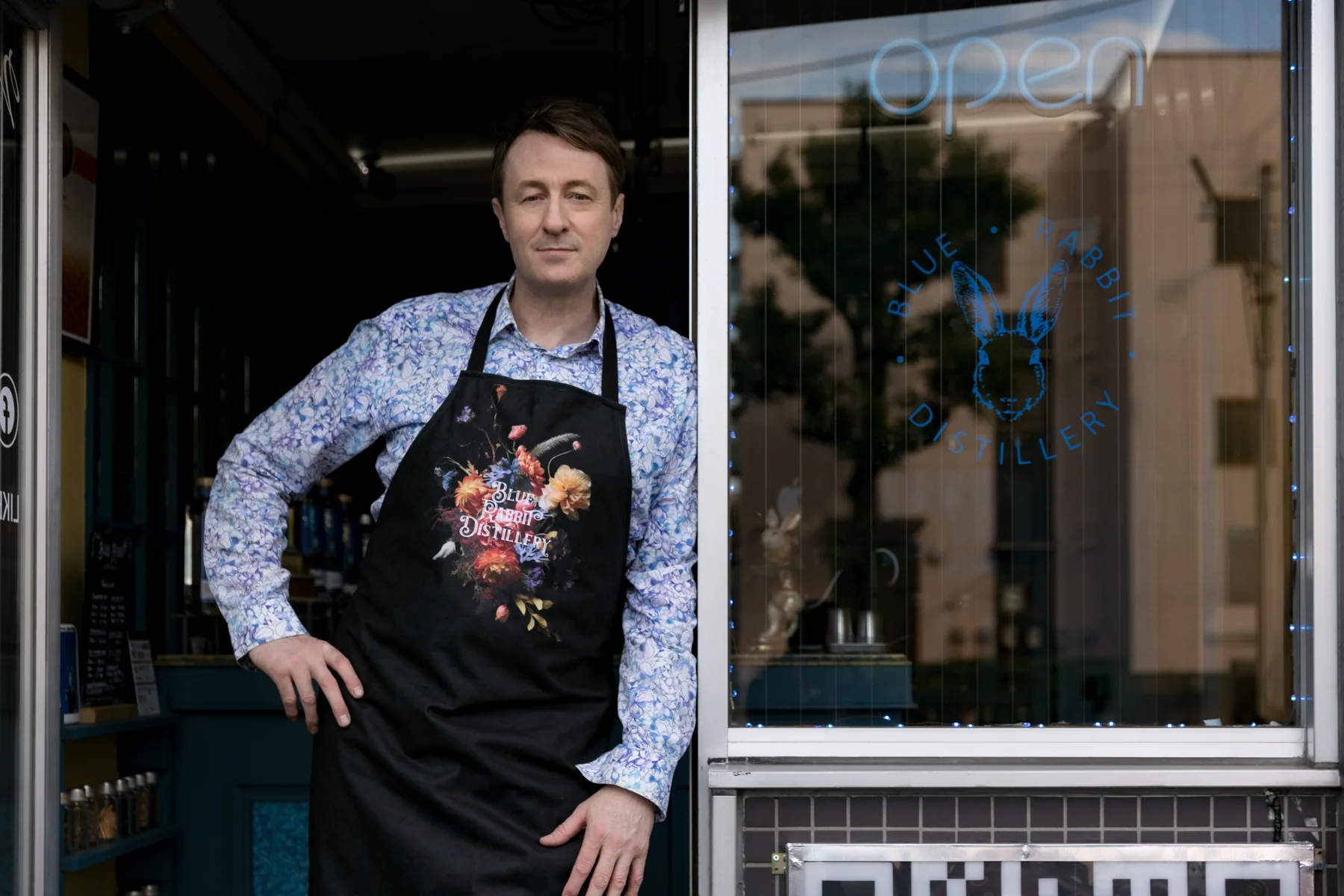
At Blue Rabbit Distillery in Tokyo, Mark Smyth developed his range on an iStill 100. His Tokyo Dry Gin won Best of the Best in the Japanese Gin category at the Tokyo Whisky & Spirits Competition 2025. His interview connects the equipment and learning to the individual style he built.