Buy capacity where the bottleneck actually is.
More orders do not automatically mean you need a larger still. Follow a batch through raw materials, fermentation, distillation, proofing, bottling and storage. Record how long it waits at each stage. The queue often tells you more than the nominal capacity of any machine.
If your still waits for fermentation, more fermentation capacity may unlock production. If accepted spirit waits for packaging, a larger still may only create more inventory. If the still is genuinely full and busy, compare an additional vessel with a larger one, including batch flexibility, changeovers and the site’s utilities.
Scale the process, not just the ingredient weights.
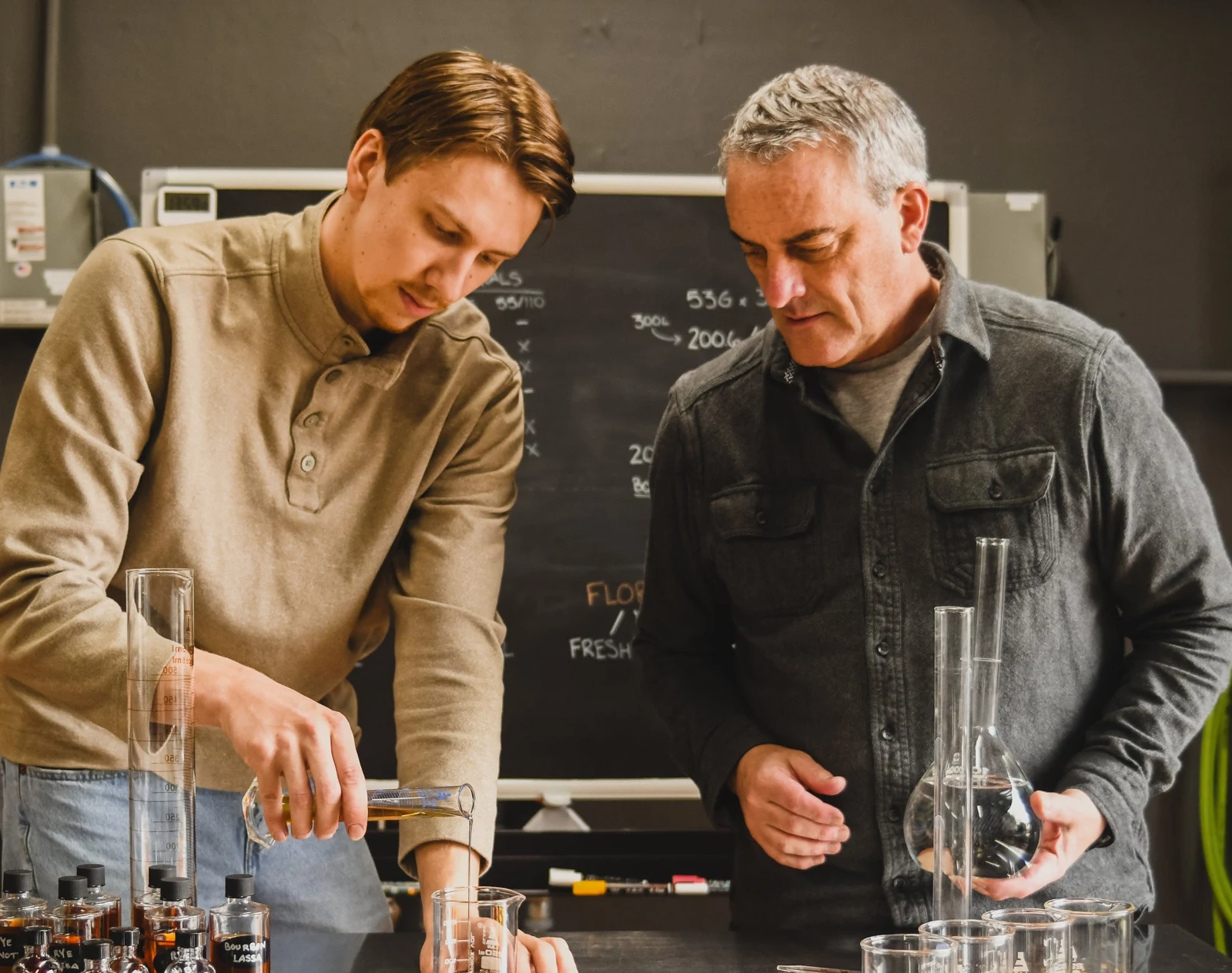
Choose a reference batch and document its inputs, preparation, fermentation or extraction, run settings, cuts and finishing. Compare pilot production at the same finished strength. Loading, heat-up and contact conditions can change with scale, even when the ingredient ratio stays the same.
NextGen’s power, reflux and collection controls give you variables to work with; saved settings and automated cuts help repeat the result once developed. Validate the production recipe with a second trained operator. Your house style should survive both a larger batch and a change of shift.
Add capacity without starting over.
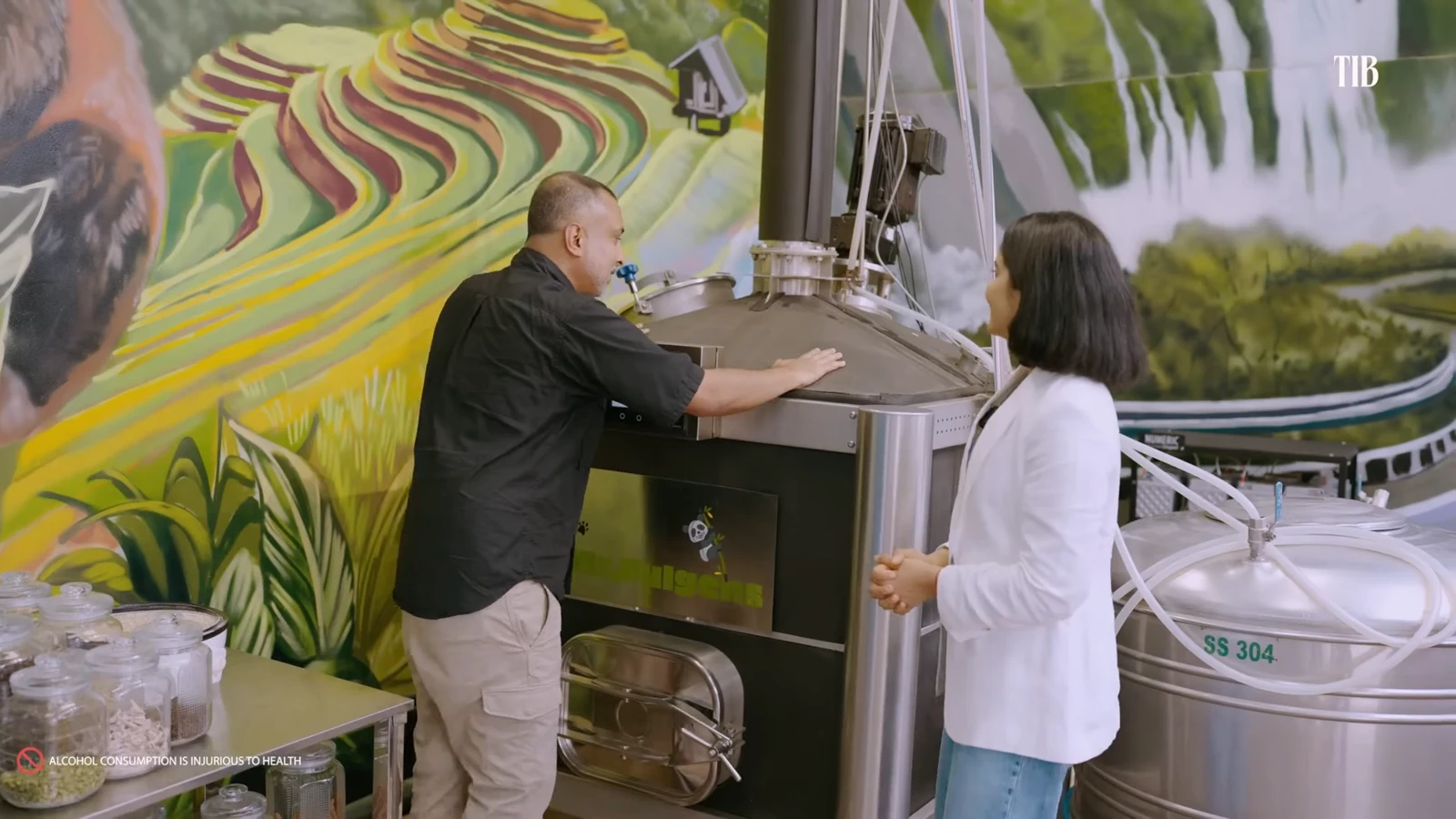
If your NextGen currently handles mashing, fermentation and distillation, you can change the workflow before replacing the still. A dedicated iFermenter keeps the next wash developing while you distill; an iMasher can prepare another batch in parallel. Size those vessels around fermentation time, batch size and your working week.
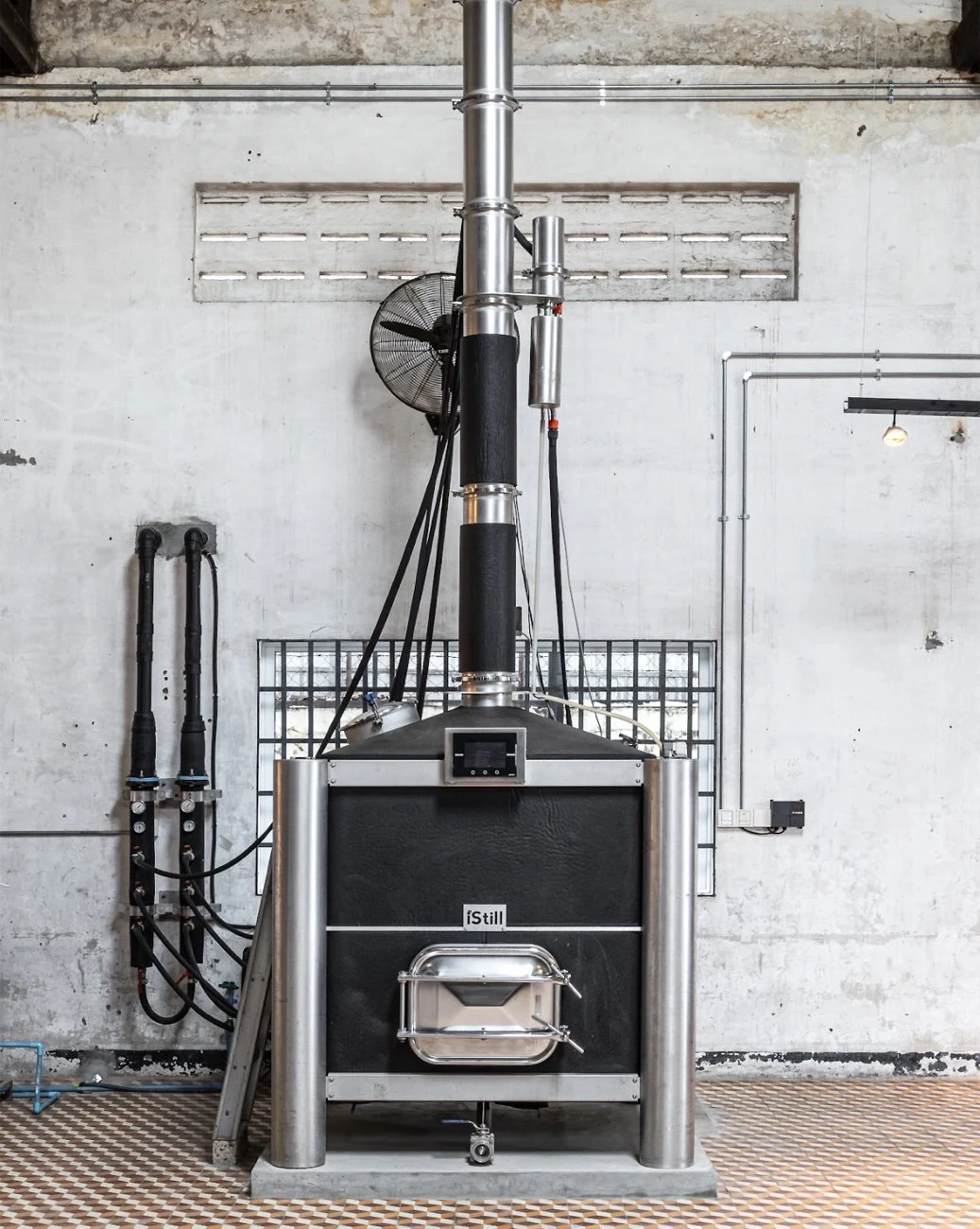
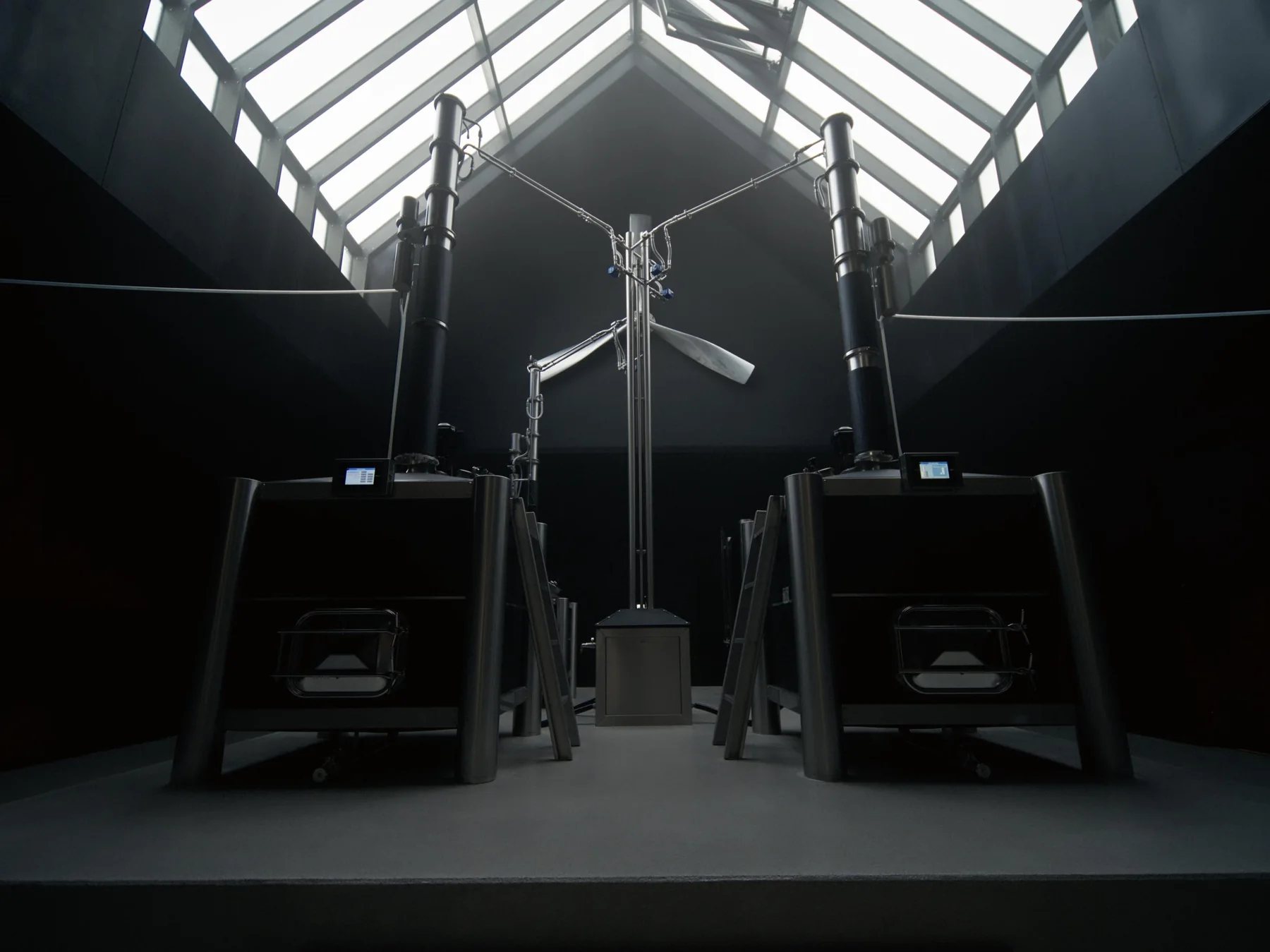
NextGen combines a stainless-steel vessel with recipe control, ABV control and automated cuts. Keep your validated settings as the starting point when adding equipment, then verify the profile on the expanded setup. Optional iStill Connect supports remote monitoring; agree operator responsibilities and support needs as production grows.
See how a development path becomes a production system.
Pegasus began with iMini trials and expanded to an iStill 500 and two 2,000-liter hybrids, as Maxime describes in the customer interview. Its vodka, gin and liqueur portfolio illustrates why development equipment and a flexible production platform can grow together.
Soligny chose a different rhythm: a 2,000-liter masher, four fermenters and a distilling iStill aligned with its cask-filling program. Separate vessels let successive stages progress in parallel. Use that same thinking for your expansion: identify the stage holding production back, then add the capacity that keeps the whole process moving.
Make the next investment earn its place.
Compare accepted output, operator intervention, energy, cleaning and rework over complete cycles. Then test the working year at realistic demand and utilization. Extra capacity creates value when you can use and sell it.
Bring those records, your target portfolio and a phased floor plan to the next equipment discussion. We can compare the production and development configurations in Design Studio and identify the site interfaces to resolve. The result should be a next step you can explain in both product quality and business terms.
For iStill, include the stainless-steel construction, replaceable copper catalyst, heating configuration and cleaning routine in that comparison. These choices affect upkeep and daily operation. Compare energy and labor on your actual recipe and schedule, rather than applying a headline saving to every product.