 Module 1 · 3 lessons · 16m
Course Introduction
Get oriented: what this course is, who it’s for, and how to decide if it’s right for you.
Now 100% Free & Open-Source
Discover the #1 distilling education platform in the world. When you are ready for hands-on training, continue with the on-site course at iStill HQ.
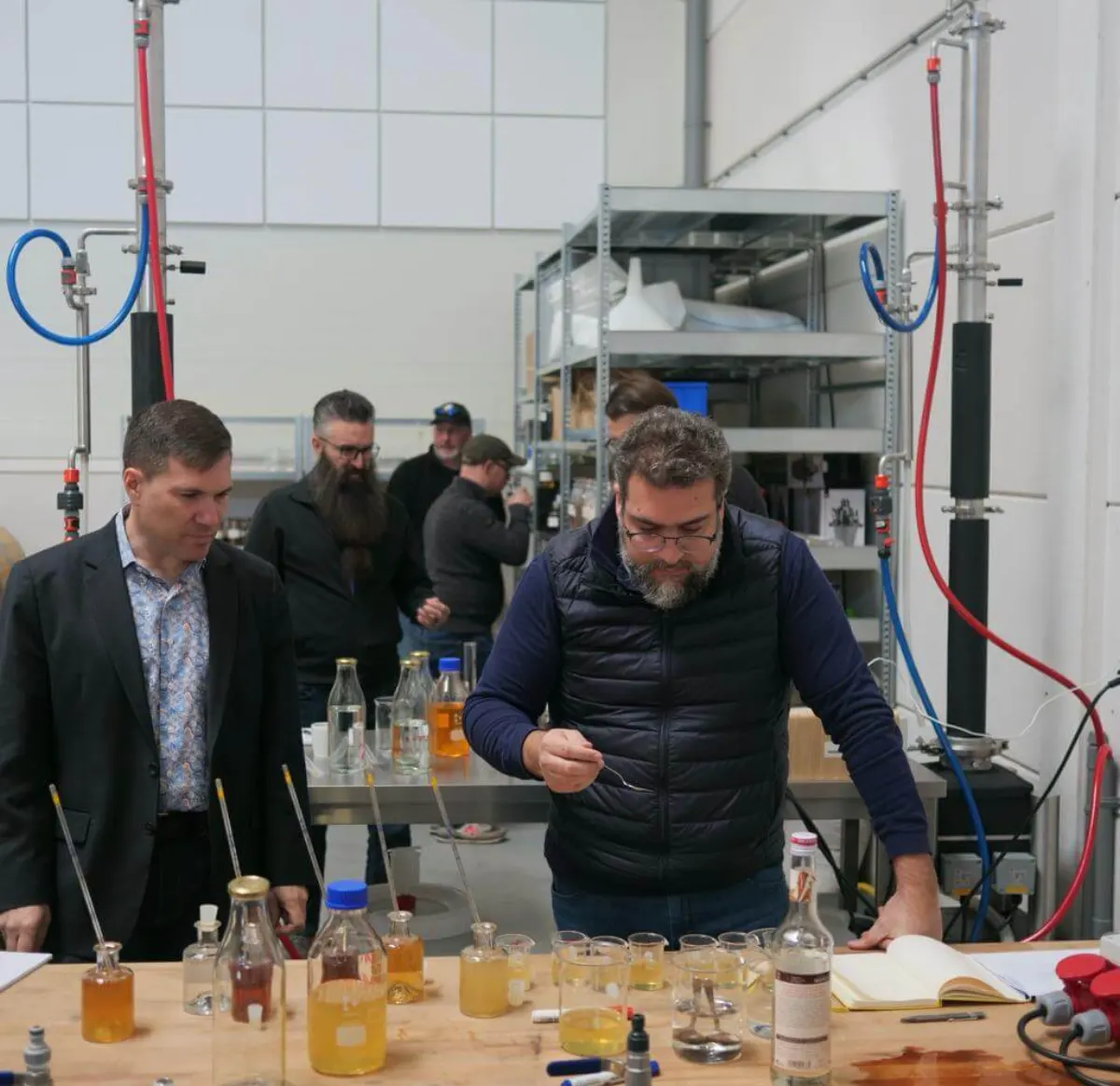
Practical training at HQ
Curriculum
Module 1 · 3 lessons · 16m
Get oriented: what this course is, who it’s for, and how to decide if it’s right for you.
 Module 2 · 3 lessons · 19m
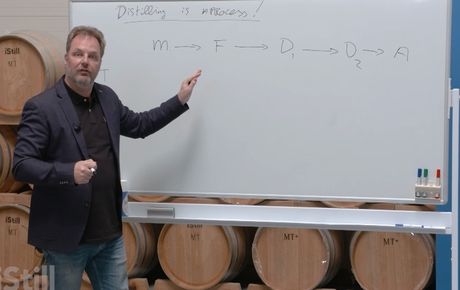
Build the core mental model: mashing → fermenting → stripping → finishing/cuts → aging → bottle/sell.
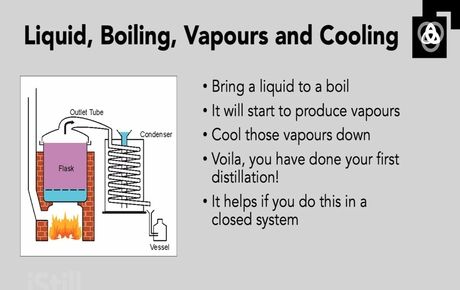
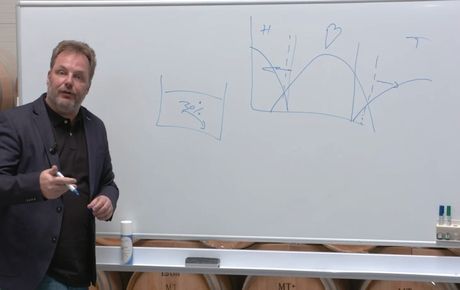
 Module 3 · 3 lessons · 19m
Learn a practical model for where flavors show up during distillation—so you can cut for the spirit you actually want to make.
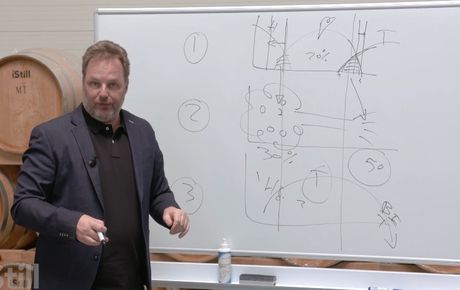
 Module 4 · 1 lessons · 27m
Use heads/hearts/tails as a flavor tool: build the front, middle, and back of a spirit on purpose.
 Module 5 · 6 lessons · 37m
Learn how classic still design choices control vapor speed, smearing, and flavor.
 Module 6 · 4 lessons · 30m
Learn how modern column management and internals improve repeatability and expand what one still can make.
 Module 7 · 2 lessons · 14m
Learn why copper became standard, what function it served, and why its no longer acceptable.
 Module 9 · 2 lessons · 18m
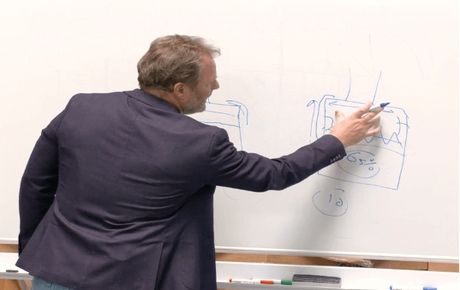
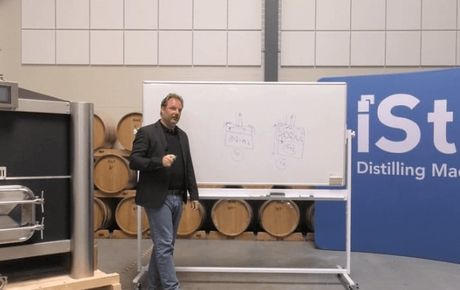
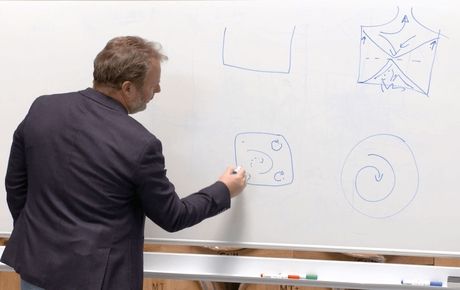
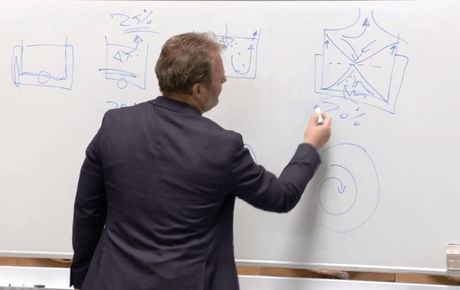
Boiler geometry and heating method determine mixing, scorching risk, efficiency, and flavor potential.
 Module 10 · 2 lessons · 10m
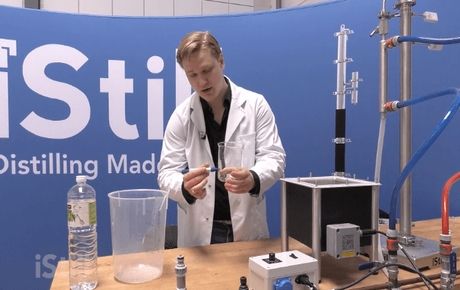
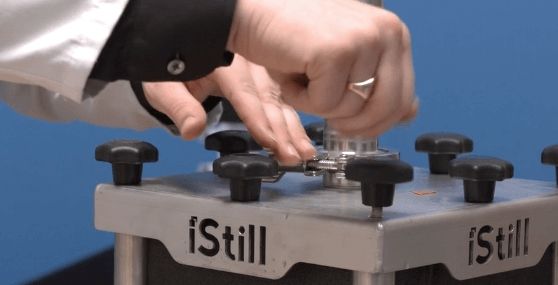
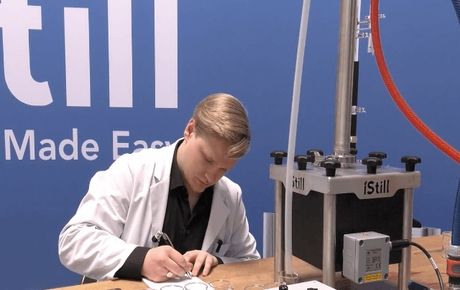
Clean your still, then strip your wash into low wines so finishing-run cuts are easier and repeatable.
 Module 11 · 2 lessons · 10m
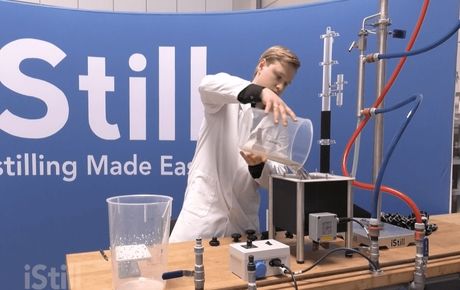
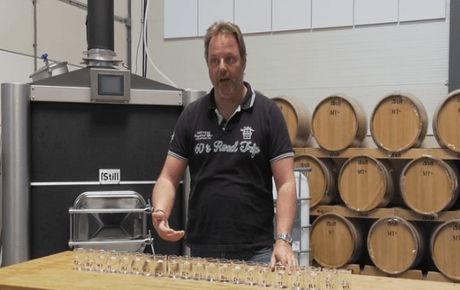
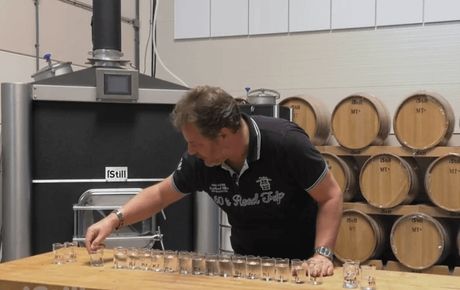
Prepare a safe charge, collect fractions, and dial in cut points you can repeat.
 Module 12 · 3 lessons · 20m
Taste fractions, choose cut points, and turn them into a repeatable recipe.
 Module 13 · 4 lessons · 27m
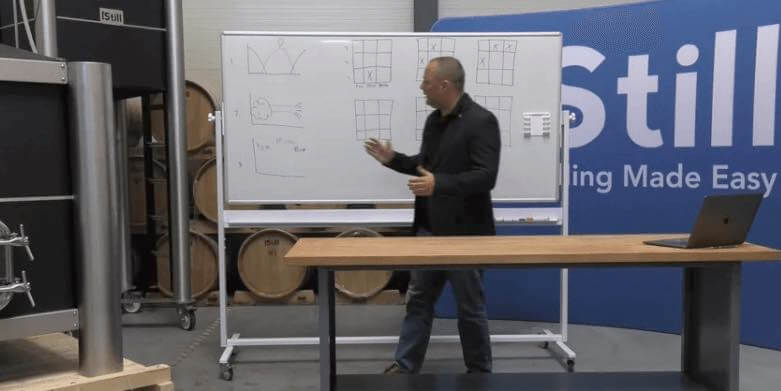
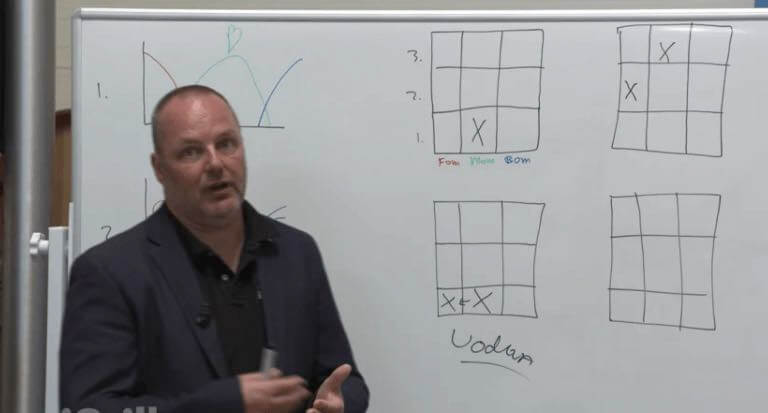
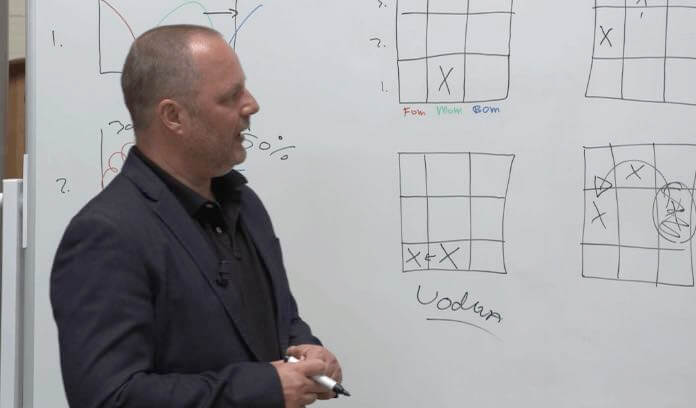
Use a 3x3 tasting grid to diagnose vodka, fruit brandy, and whiskey profiles.
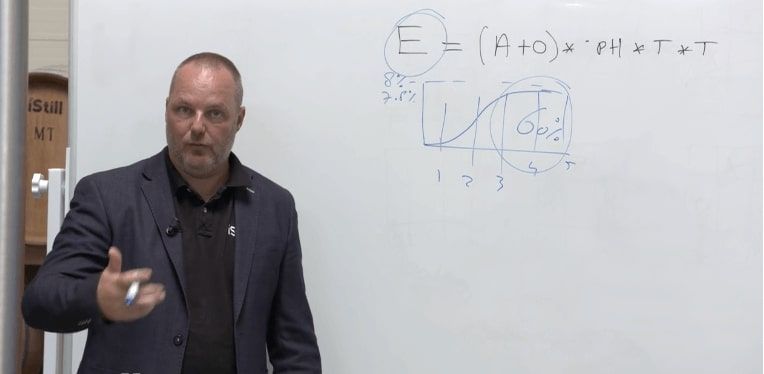
 Module 14 · 5 lessons · 28m
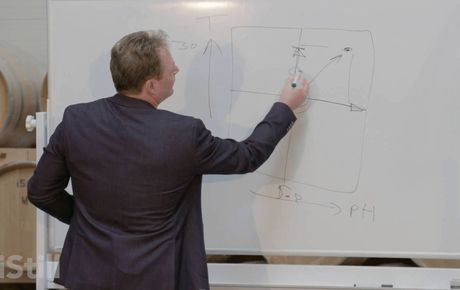
Use pH, temperature, and time to design the flavor molecules you will later distill.
 Module 15 · 4 lessons · 25m
Manage yeast like a distiller: pitch simply, control stress, and choose strains by goal.

 Module 16 · 4 lessons · 18m
Build a truly neutral vodka by choosing a clean base, maximizing separation, and protecting purity during dilution.

 Module 17 · 3 lessons · 32m
Design gin intentionally: pick a base, choose your dimensionality, build a disciplined botanical bill, and avoid the common traps.
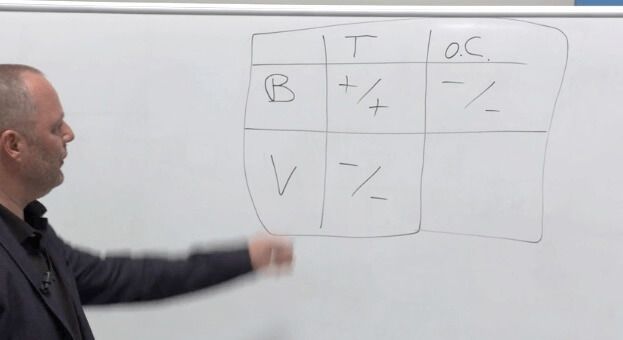
 Module 18 · 3 lessons · 24m
Use extractor workflows to get bigger botanical and fruit flavor without boiler overcooking trade-offs.
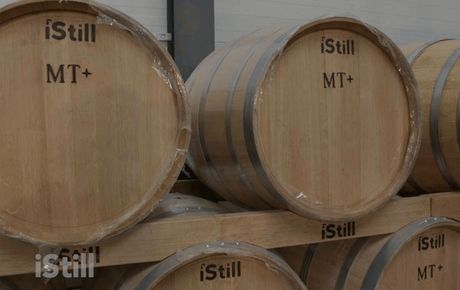
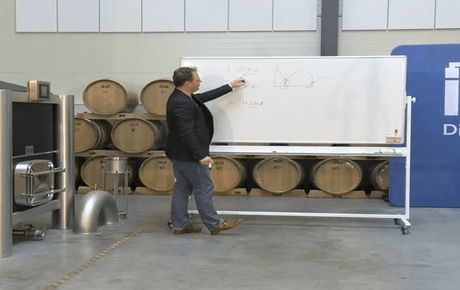
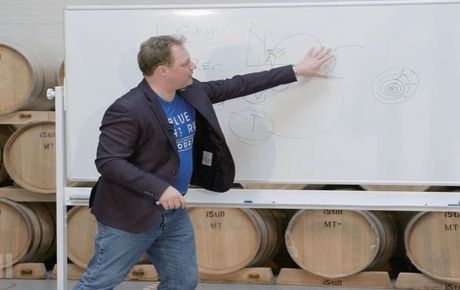
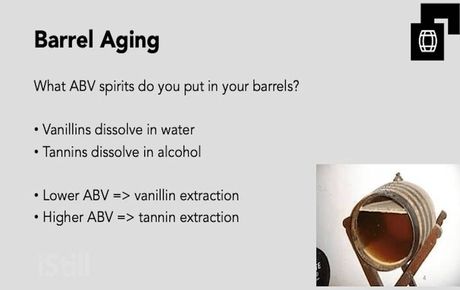
 Module 19 · 5 lessons · 24m
Manage barrels as a flavor system: oxidation, recombination, wood chemistry, and buying discipline.
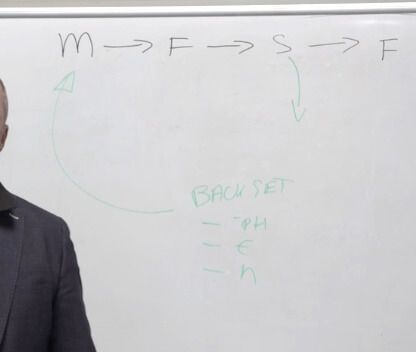
 Module 20 · 1 lessons · 14m
Recycle hot stillage into mashing to raise flavor intensity, lower pH strategically, and save energy across cycles.
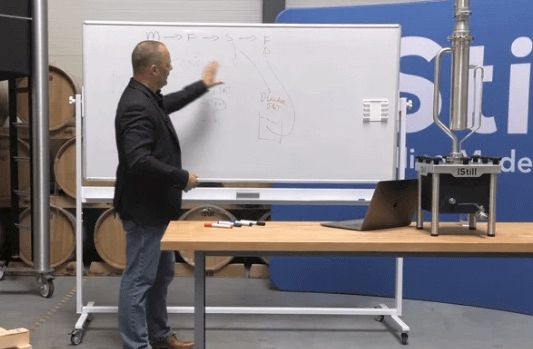
 Module 21 · 1 lessons · 13m
Use dunder as a controlled flavor concentrate with disciplined dosing and infection management.
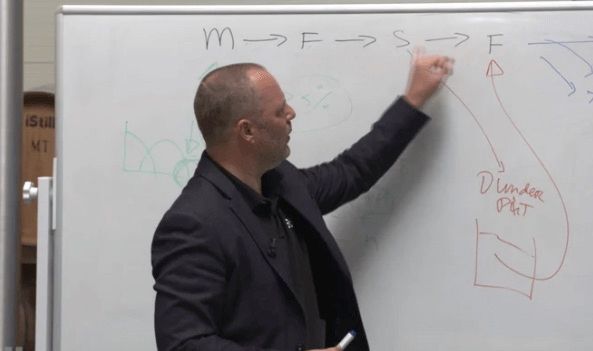
 Module 22 · 1 lessons · 10m
Hydro-separate diluted heads and tails to recover reusable ethanol and controlled flavor lift.
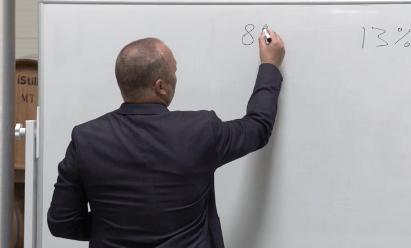
 Module 23 · 3 lessons · 19m
Proof choices in fermentation and distillation decide whether you maximize flavor expression or maximize neutral yield.
 Module 8 · 2 lessons · 12m