Your botanicals. Your signature.
A memorable gin is a designed flavor experience. Its base, botanicals, extraction and final dilution all need to tell the same story. Here is how we connect those decisions to the equipment.
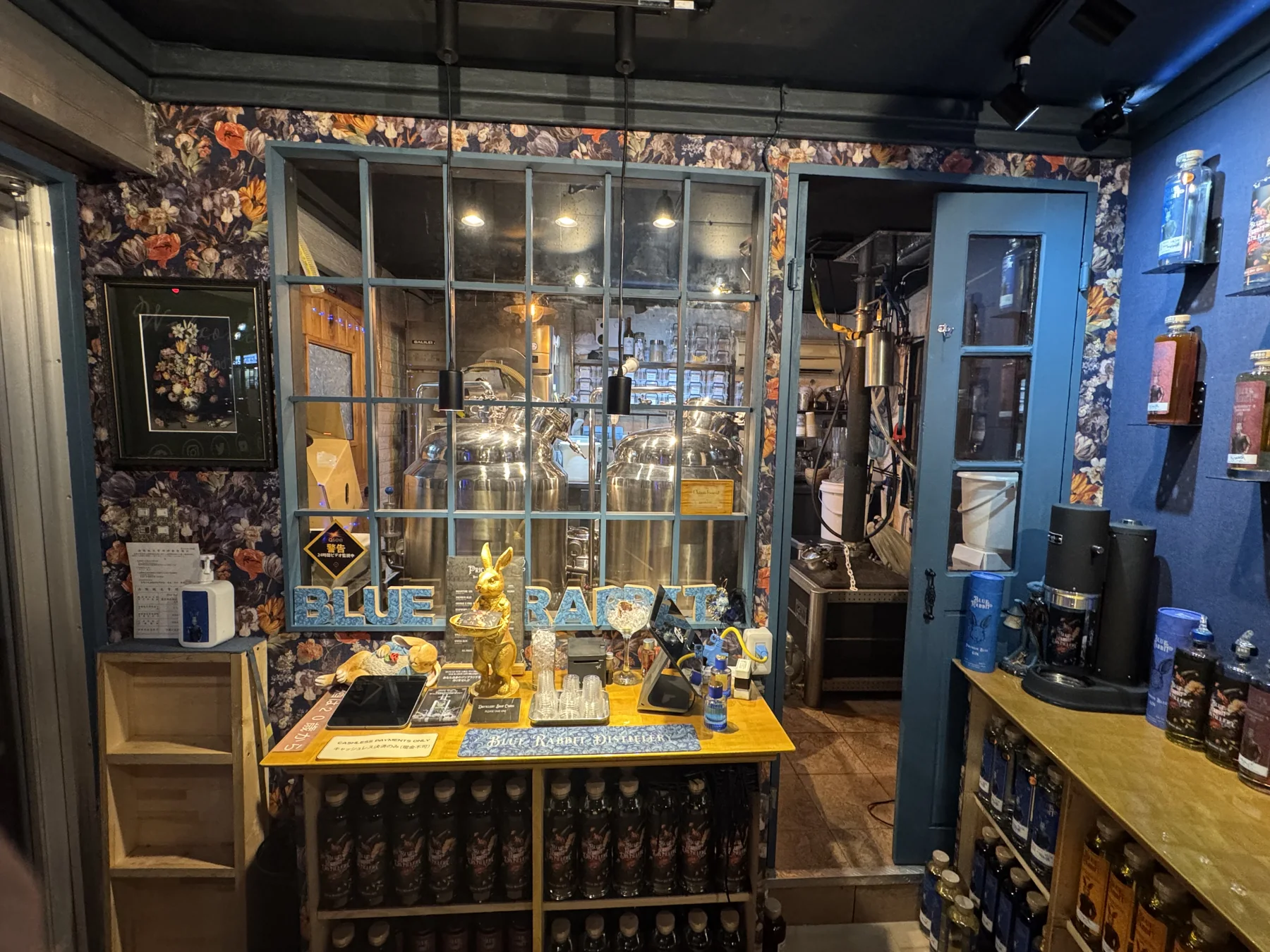
Design the drink before the botanical bill.
Start with the experience you want in the glass. Is this a gin that needs to stand up in a tonic, or a spirit someone should enjoy sipping on its own? Those are different targets. A pronounced citrus lift, a clear juniper center and a small amount of earthy depth can play very different roles in each.
In iStill University, Odin uses a flavor grid to make those choices visible. It encourages a botanical bill with a purpose for every ingredient, rather than complexity measured by ingredient count. Start with the essential structure, taste the result and add what is missing. Record ingredient preparation and the base spirit alongside the recipe.
Where iStill fits.
Develop that structure on iMini before tying up a production still. Document the settings and sensory target, then validate the recipe again at production scale. The purpose is a house style your team can explain and repeat.
Choose the kind of contact, not the trend.
Boiler infusion puts botanicals in the liquid. Vapor infusion puts them in the vapor path. They expose ingredients to different extraction conditions, so the same botanical bill can produce a different balance. Our teaching generally associates liquid contact with fuller oil extraction and vapor contact with a lighter style. Ingredient preparation, charge strength and run decisions still matter.
Neither method is an automatic quality upgrade. A delicate floral direction and a robust, juniper-led gin may call for different approaches. In development, compare the methods against the same target and taste at the intended bottling strength. Judge the finished drink, including its intended serve, rather than choosing a method because it sounds more sophisticated.
Where iStill fits.
The optional iStill Extractor adds a third route: condensate passes through a separate ingredient chamber and returns to the boiler in a repeating loop. It combines liquid contact with keeping the botanicals outside the boiling charge. Explore it when you want extraction to be a deliberate, adjustable part of the process.
A repeating extraction loop.
- Vapor rises from the boiler.
- A condenser turns it back into liquid.
- Liquid passes through the separate ingredient chamber.
- The chamber fills and siphons back into the boiler.
Their ambition. In the glass.
The producers, the products and the recognition they have earned.
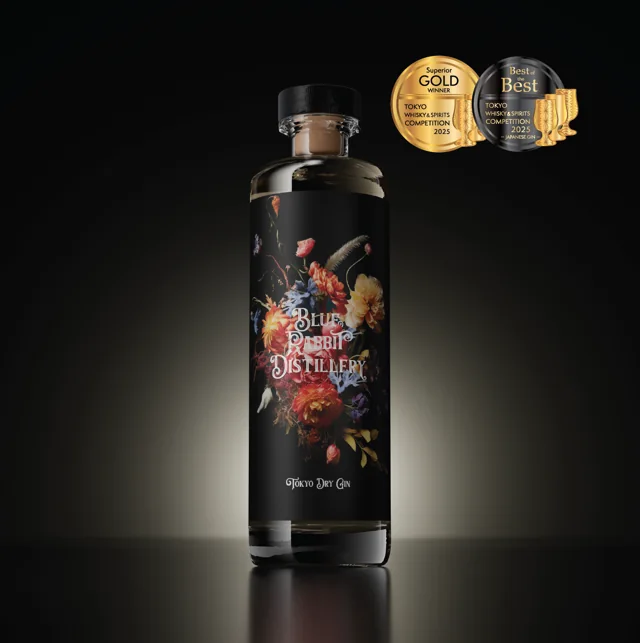
Blue Rabbit · Tokyo Dry Gin
Best of the Best · Japanese Gin
Tokyo Whisky & Spirits Competition · 2025
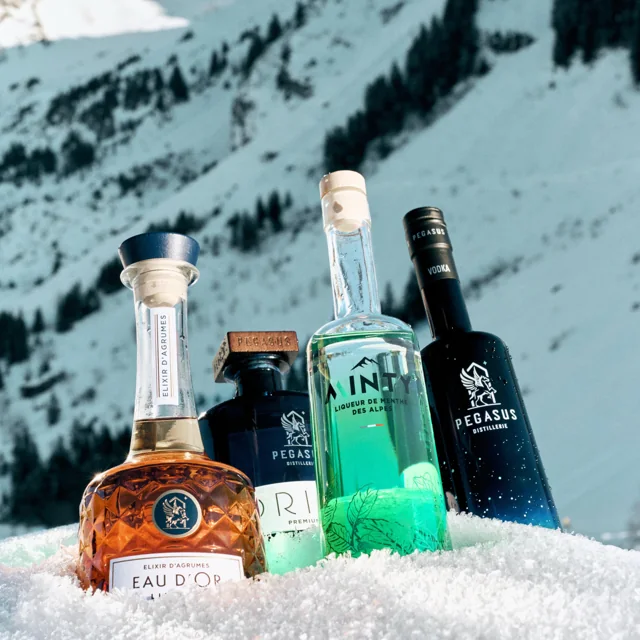
Pegasus Distillerie
From iMini trials to three production hybrids.
Burgundy, France · Customer interview, 2026
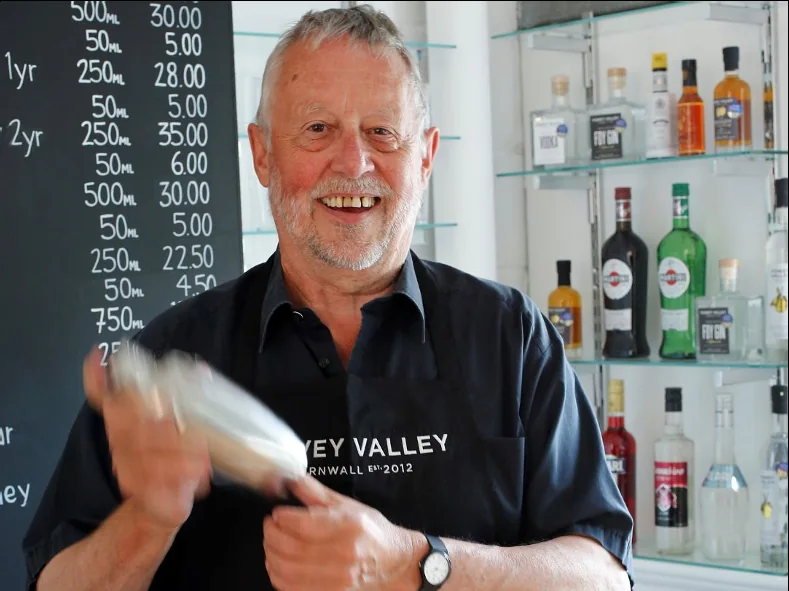
Fowey Valley Distillery
From a restored orchard to a from-scratch spirits portfolio.
Cornwall, UK · Founder interview, 2023
A clear run can become a cloudy bottle.
Botanical oils that remain dissolved at collection strength can come out of solution as alcohol strength falls. That is why a gin can look clear at the still and turn hazy after dilution. In the course, this is discussed as a solubility problem: it is not, by itself, a verdict on flavor quality.
Build dilution trials into recipe development. Compare the same recipe at its intended strength and under the storage conditions it will encounter. Consider botanical loading, extraction and blending together. Filtering may change the profile you worked to create, so evaluate the sensory result as well as appearance. Repeat the trial when ingredients or water change.
Where iStill fits.
Use the development setup to find the balance between aromatic intensity and presentation. Carry the full process into the production specification, including proofing and release checks. ABV control during distillation supports run consistency; it does not replace finished-product validation.
Make your signature survive a busy week.
A successful first batch is a beginning. Commercial production also has to handle ingredient variation, operator handovers and switching between products. Botanical weights alone do not capture preparation, loading, contact time, charge strength or cut decisions. Those details are part of the recipe.
NextGen combines recipe-driven operation, controlled reflux, ABV control and automated cuts. The distiller develops the profile and decides what is acceptable; the control system helps repeat the chosen operating settings. Plan cleaning and verify changeovers for the actual botanical products you make, especially when a bold recipe is followed by a more delicate one.
Where iStill fits.
This is where versatility becomes a business benefit. A suitable hybrid setup can support different spirit styles without requiring a separate still for every product. Select the extractor, heating and other options around your process, then train the team to understand the settings it repeats.
Different tools. Informed choices.
Traditional equipment can make exceptional spirits. Compare the actual process and control you need, rather than a material, a shape or a headline.
| Decision | What to consider | The iStill approach |
|---|---|---|
| Botanical extraction | Boiler and vapor infusion can both produce excellent gin. They create different contact conditions and need to be matched to the recipe. | An optional recirculating Extractor provides another development and production route alongside the hybrid platform. |
| Repeating the recipe | Manual systems can be consistent with skilled operation, records and stable conditions. | Saved operating settings, ABV control and automated cuts help a trained team repeat a validated process. |
| A growing range | A dedicated gin setup can make sense for its workflow. Consider cleaning, utilization and other products before adding another vessel. | Compare one flexible setup with separate equipment for each category, including the real changeover requirements. |
“The iStill allows me to express myself like an artist to use botanicals and create amazing flavours and experiences for people.”Build your setup.
Explore the equipment, then compare sizes and options in Design Studio.
Questions worth asking.
Should I make my own neutral base or buy it?
It is both a production and positioning decision. Making the base adds fermentation, separation and capacity requirements; buying it lets you focus initially on botanical development. Compare the full workload and economics with the story you want your gin to tell.
Does vapor infusion always make a better gin?
No. It is a different extraction environment. Start with the intended style, compare methods in trials and judge the finished gin at bottling strength. The University covers boiler infusion, vapor infusion and the Extractor as distinct tools.
Can I copy a small recipe directly into a larger still?
Use the small recipe as a development starting point, then validate at production scale. Loading, heat-up, contact conditions and operating settings can change with scale. Record both the process and the sensory result.
Go deeper. Learn from the source.
This guide draws on Odin’s teaching, the iStill archive and firsthand distillery interviews. The online University is free and open to everyone.
Explore the lessons, articles and tools 10 ↗
- Developing a Gin Recipe: Botanicals and Ratios ↗University
- How to Taste Fractions ↗University
- Boiler vs Vapor Infusion: Flavor Intensity and Overcooking Risk ↗University
- Extractor Fundamentals: Soxhlet Loop for Scalable Extraction ↗University
- Odin on Gin (4) ↗iStill Blog
- Gin Production Mistakes: Myths and Cloudiness ↗University
- Extractor in Practice: Extracts, Essences, and Solubility Control ↗University
- Liquid Management: Repeatability ↗University
- iStill Innovation: ABV Control! ↗iStill Blog
- iStill NextGen ↗iStill
Keep exploring.
Have a project in mind?
A first idea, a question or a detailed plan. We can start from there.