Let the fruit lead.
Fruit spirits ask a particular question of a still: can you retain the aroma you value without collecting a finish that overwhelms it? The answer starts with the fruit and continues through fermentation, separation and maturation.
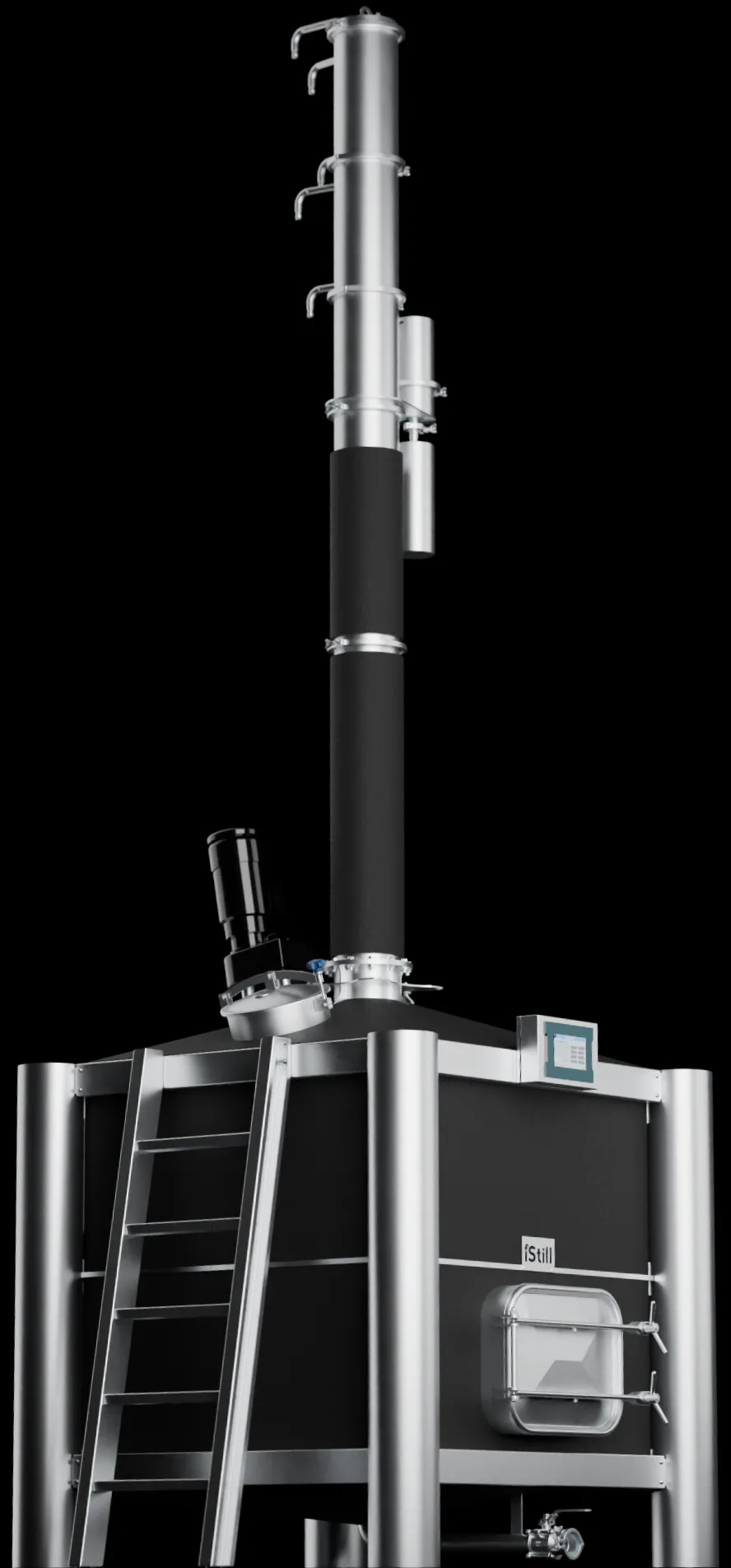
Begin with the fruit, not the vessel.
A grape wine, apple cider and fermented fruit pulp are different feeds. They bring different aroma, solids, handling and heating considerations. Discuss the actual material you intend to distill, including seasonal variation, rather than treating every fruit spirit as the same equipment requirement.
The University emphasizes matching still design to the desired spirit. For a fresh, unaged fruit profile, the aromatic opening may be especially important. A spirit intended for wood also needs enough structure to develop alongside the cask. Define that objective before choosing a column arrangement or operating method.
Where iStill fits.
Specify heating, mixing and transfer around the charge. Direct, indirect and steam options serve different processes; confirm the suitable configuration with the team. The aim is control over the fruit workflow, not a generic claim that one heater suits every feedstock.
Select aroma without losing the fruit.
Our teaching compares fruit-brandy and whisky designs because they often seek different balances. Fruit-oriented plated systems can favor the retention of lighter aromatic character while resisting heavier late fractions. That can be useful for one spirit and restrictive for another. The design must be evaluated against the intended result.
Cuts, vapor behavior and reflux belong in the same discussion. An early fraction can contain attractive aroma alongside material you need to separate; simply collecting more of it is not a quality strategy. Develop a controlled selection process, evaluate the finished spirit and validate the product with the appropriate sensory and analytical checks.
Where iStill fits.
NextGen's hybrid controls provide ways to adjust separation and collection for the profile. Repeat the developed operating settings, while retaining the distiller's judgment over what belongs in the product. Use a pilot setup to explore the balance before scaling it.
One platform. Different separation goals.
Develop power, reflux and cuts around the flavor you want to retain. A lower-separation approach can preserve more character; the right balance is established through tasting.
- Vapor-liquid contact
- Condensation
- Controlled return and collection
Their ambition. In the glass.
The producers, the products and the recognition they have earned.
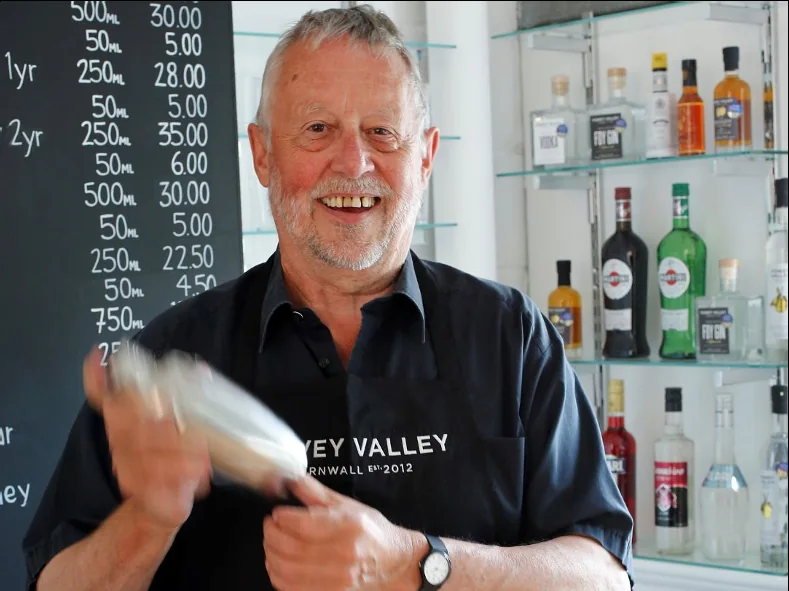
Fresh fruit and barrel-ready spirit are different goals.
An eau-de-vie served unaged and a mature brandy are not just the same product at different ages. Their ideal starting balance can differ. University describes maturation through oxidation, changes in the spirit and extraction from wood. Delicate early character can change over time, while oak may add sweetness, tannin and structure.
Choose the new-make profile, cask and entry strength together. Taste trials over time and resist using color as the only signal of progress. The apple-brandy article is a useful example of thinking about fruit, fermentation, distillation and wood as one connected story rather than four independent stages.
Where iStill fits.
Repeatable run settings give those maturation comparisons a stable starting point. ABV control can support a chosen collection strategy, while final proofing and cask decisions remain part of your finished-product development.
Design for the weeks that matter most.
Annual liters can hide the real constraint in a seasonal distillery. Fruit may arrive in a concentrated window, while fermentation, storage and distillation each have their own pace. Model the busiest weeks, available operators and cleaning between fruit types. A vessel that looks adequate on an annual spreadsheet may not fit the harvest.
Keep fruit fermentation and distillation distinct from extracting fruit into purchased neutral spirit. Both can be creative production routes, but they create different products and need different equipment and development work. The distinction helps you specify the right project rather than relying on a broad 'fruit spirits' label.
Where iStill fits.
Bring the raw material, harvest timing, product goal and site constraints into the equipment discussion. Compare tank capacity, handling and the still as a system. Use the Extractor route for the botanical or flavored products it is designed to support, with their own formulation checks.
Different tools. Informed choices.
Traditional equipment can make exceptional spirits. Compare the actual process and control you need, rather than a material, a shape or a headline.
| Decision | What to consider | The iStill approach |
|---|---|---|
| Fruit-focused designs | Traditional fruit-brandy columns can be well suited to protecting lighter aroma and limiting heavy carryover. | Evaluate how the hybrid's separation range and run controls support your particular fruit and maturation target. |
| Heating and solids | Clear wine and fruit pulp have different handling and heating needs, whatever the still's appearance. | Confirm heating, agitation and transfer options against the actual charge and operating process. |
| Product direction | Fermented-fruit distillation and fruit extraction into neutral spirit are distinct workflows. | Choose the distillation or optional extraction configuration around the product you actually intend to make. |
Build your setup.
Explore the equipment, then compare sizes and options in Design Studio.
Questions worth asking.
Is a fruit-brandy still automatically the best choice for every spirit?
No. Its separation behavior may fit delicate fruit profiles particularly well, but other spirits can seek different balances. Compare the operating range and controls against the whole portfolio you intend to produce.
Can the same equipment handle clear wine and fruit pulp?
Discuss the feedstock and process with the team before selecting options. Solids, viscosity, agitation, heating and transfer requirements determine the appropriate configuration. Do not assume a setup for a clear charge is automatically suitable for pulp.
Can I use an Extractor instead of fermenting the fruit?
That is a different production route. Extracting fruit into a spirit and distilling a fermented-fruit charge create different products. Choose the route deliberately, then develop and validate the corresponding process.
Go deeper. Learn from the source.
This guide draws on Odin’s teaching, the iStill archive and firsthand distillery interviews. The online University is free and open to everyone.
Explore the lessons, articles and tools 11 ↗
- Fruit Brandy vs Whiskey Stills ↗University
- FTOD 2015: Odin on Whiskey vs. Fruit Brandy Column Design ↗iStill Blog
- iStill NextGen ↗iStill
- Liquid Management: Repeatability ↗University
- Holy Trinity of Distillation ↗University
- What Barrels Actually Do: Oxidation, Recombination, Wood Extraction ↗University
- Barreling Proof as a Flavor Lever ↗University
- Calvados: Aged Apple Brandy! ↗iStill Blog
- iStill Innovation: ABV Control! ↗iStill Blog
- Yearly production capacity calculator ↗iStill
- Extractor in Practice: Extracts, Essences, and Solubility Control ↗University
Keep exploring.
Have a project in mind?
A first idea, a question or a detailed plan. We can start from there.