Nobody knew
it was a still.
Odin van Eijk used to help banks change. Now he was in London, trying to change the way people made spirits.
His invention could control a distillation run by computer. Visitors walked past without recognizing it as a still.
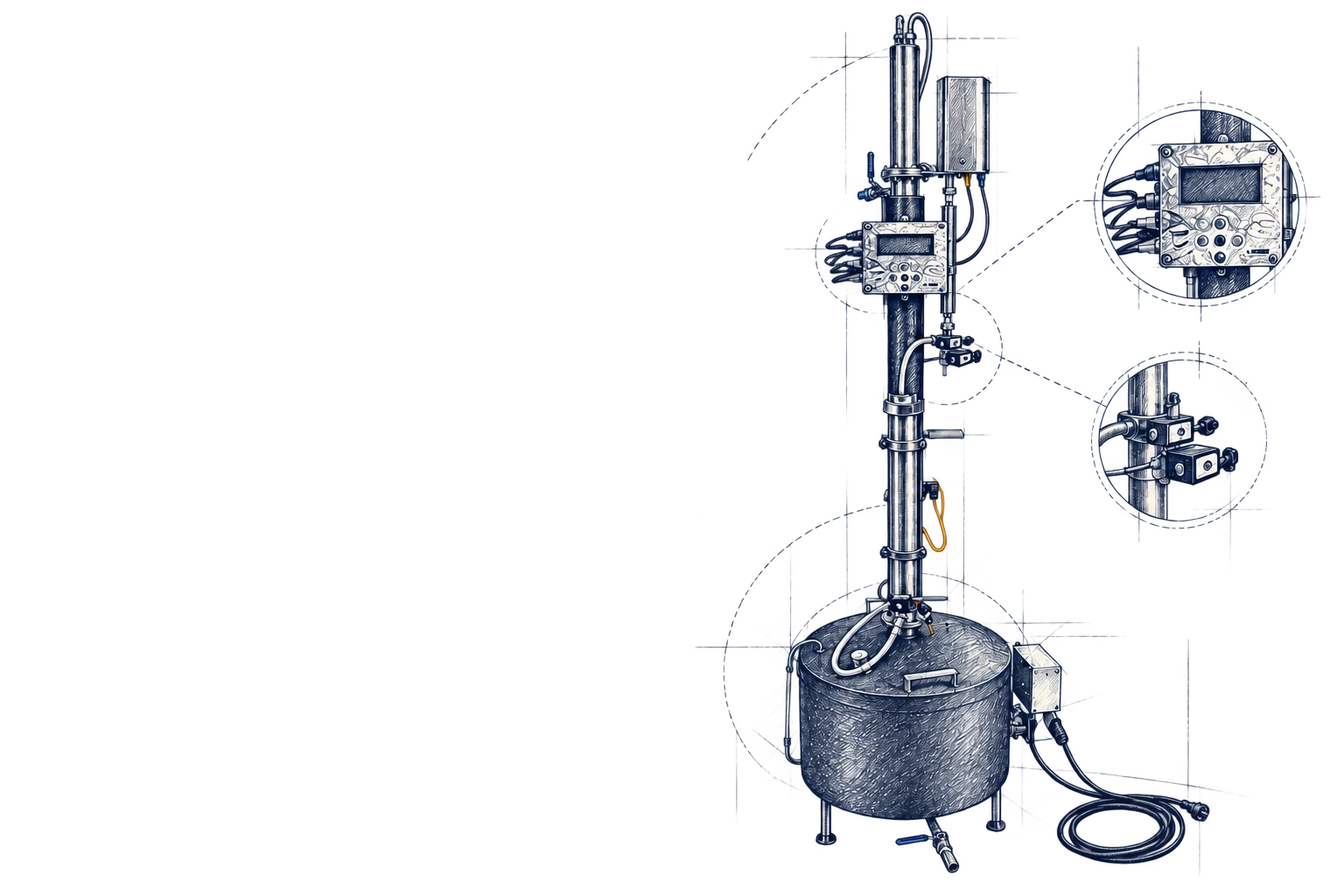
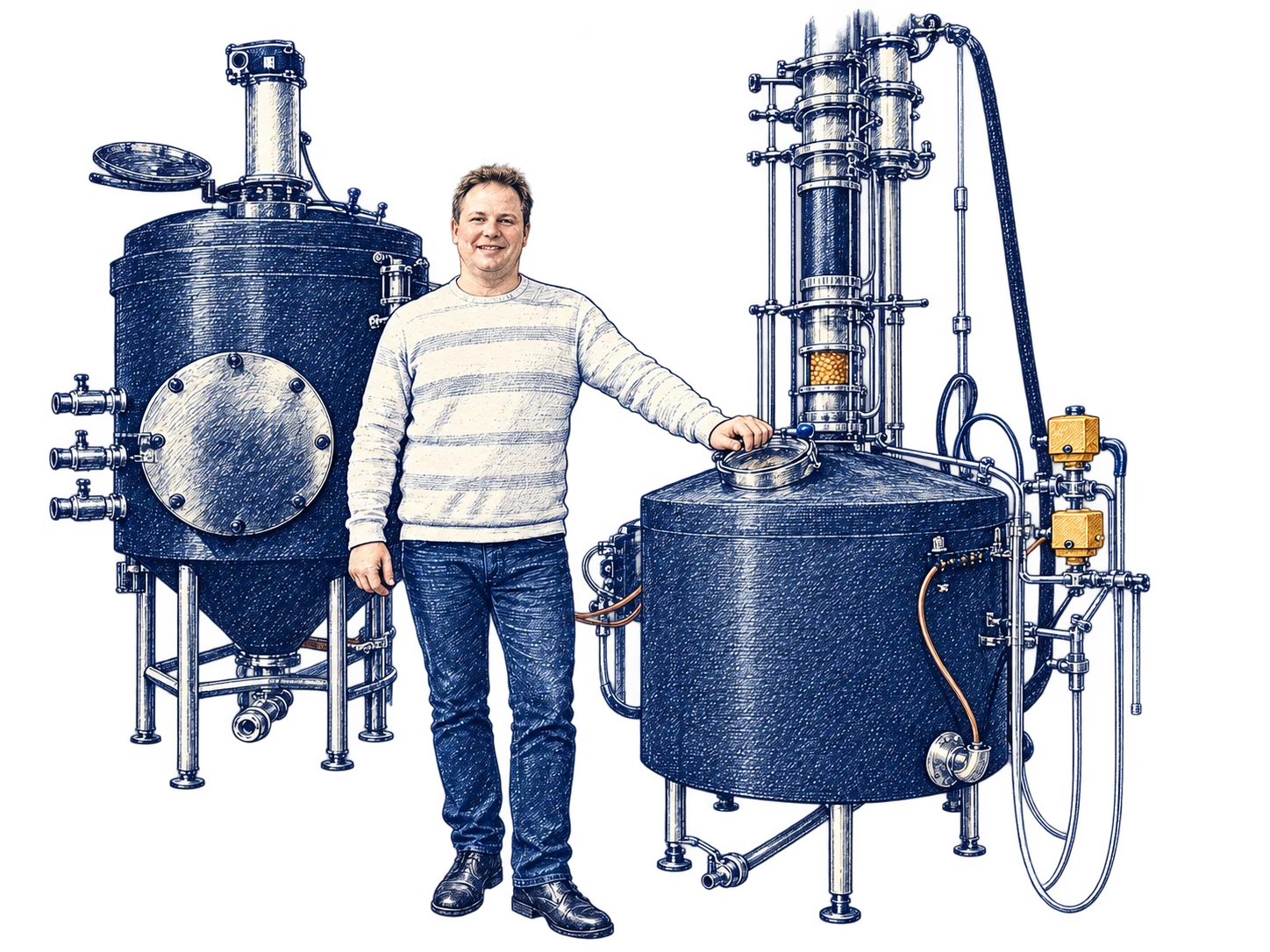
Stainless steel. Software. None of the copper curves the industry had spent generations making, buying and admiring.
To Odin, those differences were the reason to stop and look.
He wanted distillers to understand what made a spirit taste good—and be able to make it that way again. The machine was his answer. But to everyone walking past, it needed an explanation.
A few years earlier, he would have needed one himself. He still had his job in finance when a family visit to Hungary left him wondering about a glass of fruit brandy.
Why did some taste wonderful, while others needed disguising?
Why did it need
so much honey?
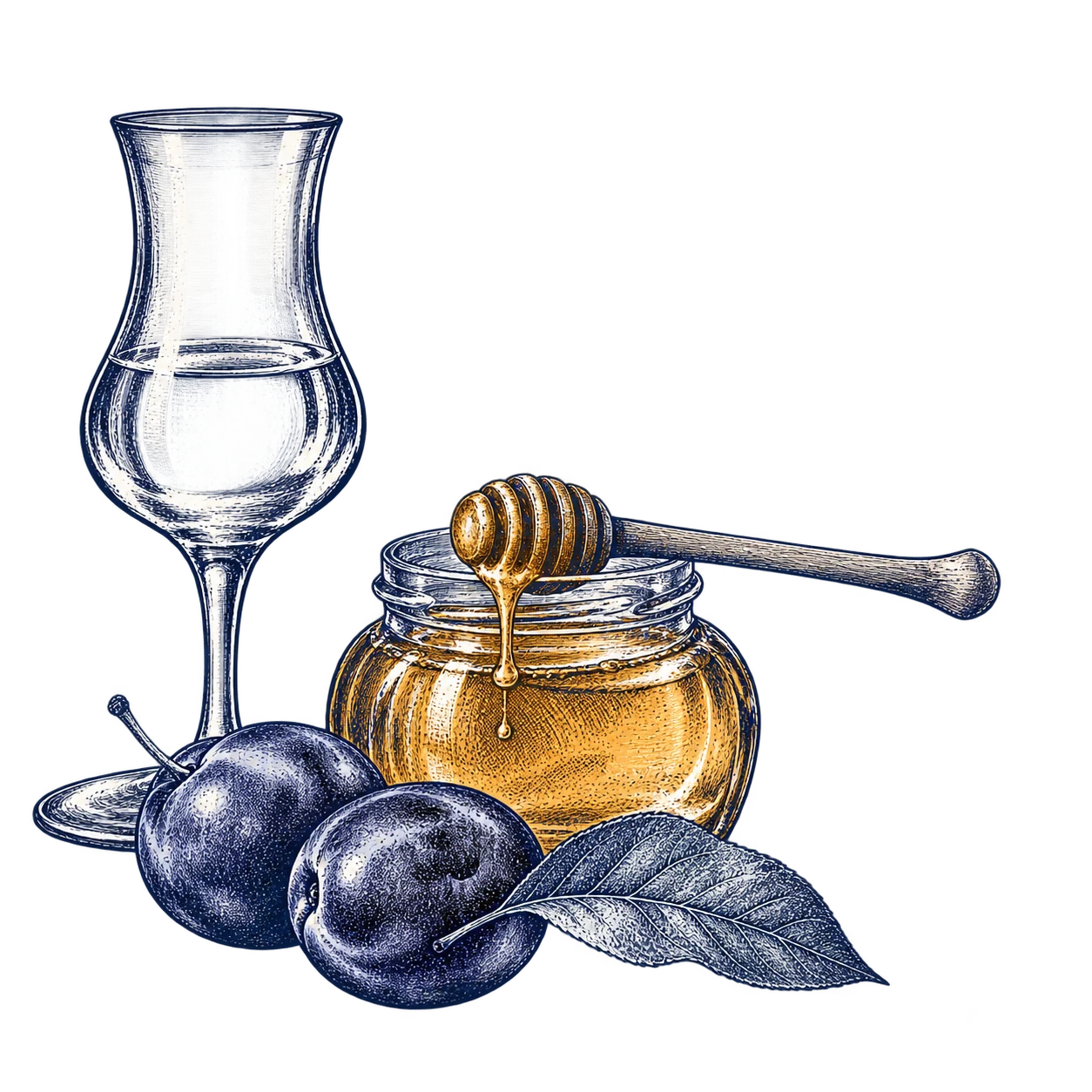
On family visits to Hungary, Odin discovered pálinka, the fruit brandy people made at home. Some was delicious. Some was awful. A friend had a solution for the bad stuff: add enough honey to make it drinkable.
Odin wanted to fix the brandy before it needed the honey.
His wife’s uncle, a retired master distiller, helped him begin. Other distillers shared what they knew. Odin followed their advice, ran experiments and kept asking why the results differed.
One good batch was encouraging. Making it again was harder. If he couldn’t explain what had made it good, what should he repeat?
In financial change management, his job was to untangle complicated systems and find what needed to change. At home, he started applying the same discipline to distilling.
There were centuries of skill to learn from. But when he asked why a particular method worked, the answer often came back to tradition.
We’ve always done it this way.
That explained the habit. It didn’t explain the result.
For a distillery, the difference matters. The next batch has to pay for ingredients, energy and someone’s working day. Odin needed answers he could test. So he went looking for people willing to test them with him.
He took his questions online.
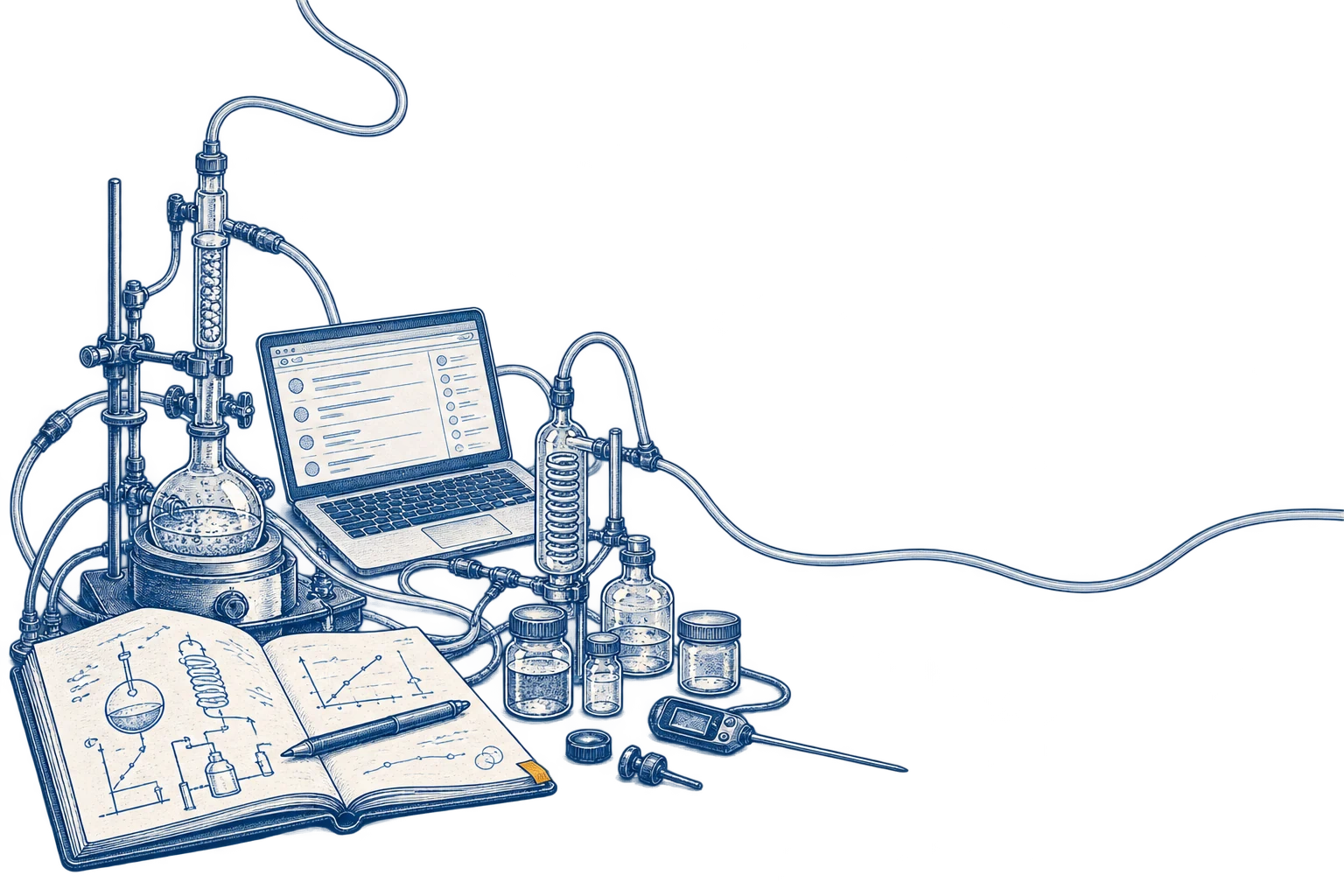
On the international distilling forums, he found people experimenting all over the world.
Odin shared recipes, challenged assumptions and posted his results. Other distillers tried his ideas with different ingredients and equipment. When their results disagreed, there was more work to do.
He became one of the communities’ most active contributors, writing more than 10,000 posts. A question could turn into an experiment on the other side of the world—and come back with a result that changed his thinking.
“The biggest challenge is not just to get results, but to get repeatable results.”
The start of an interesting journey!People knew his name long before there was an iStill to buy. At home, his family could see how far the experiments had gone.
Christiaan remembers equipment filling the living space, pipes running through hallways, and a smell that seemed to be everywhere. His father still had a full-time job. The distilling had to fit around it.
Automation offered a way to keep an experiment running while Odin was at work. But first he needed equipment he could control.
The forums could help him question a method and test a theory. They couldn’t change what the machines were capable of.
He was learning how to control the result.
He couldn’t find a still that gave him the control he needed.
So he built one.
He started with the decisions other designs took for granted. Could copper do its chemical work without making the entire still from it? Could sensors and software hold a process steady instead of leaving every adjustment to the operator?
Taste had to guide the engineering. If a distiller understood which choices created a flavor, the equipment should make those choices possible—and repeatable.
He built sensors and software into the design, so he could set up a run before leaving for work.
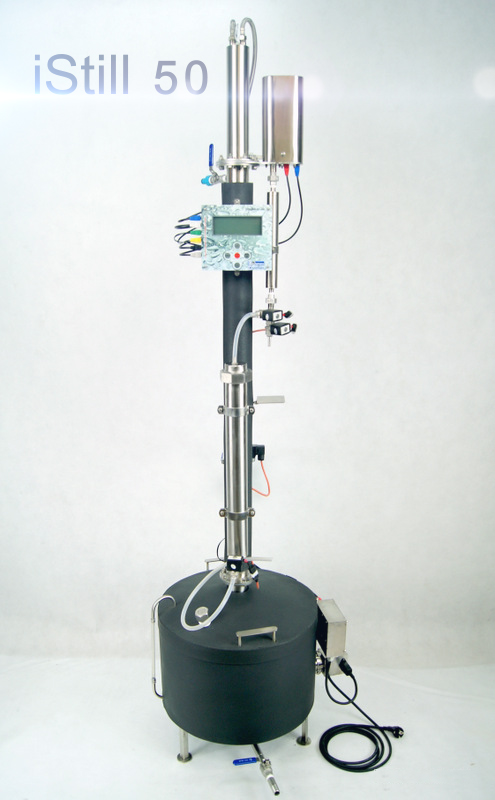
The first iStill had a 50-litre boiler, a tall column and exposed wiring. Odin’s father helped assemble it. After a career maintaining jet engines at KLM, he knew something about machinery that had to work reliably.
When Odin shared it online, people who had followed his experiments began asking to buy one. Within weeks, he had orders to fill.
By May 2013, the waiting list was three weeks long.
Now the machine had to work in someone else’s distillery.
Odin left finance. The family moved into office premises, where they would live for years; the house was sold soon afterwards. Orders and questions arrived from around the world. Work no longer stopped at the end of the Dutch day.
Christiaan was still a teenager when he started helping with the website. Some nights, father and son worked side by side because customers elsewhere were awake. They were living inside the business they were building.
The orders proved people wanted the machine. Teaching them to use it would be a different challenge.
Buying the still was the easy part.
Odin took the machines around the world. The questions followed him.
Why did a still need software? Where was the copper? Some distillers wanted to try it immediately. Others questioned whether something so unfamiliar belonged in their craft at all.
Odin debated the science with distillers and competing manufacturers. But years of arguing took their toll—and winning an argument didn’t necessarily help a customer make a better spirit.
In 2014, he acknowledged a problem closer to home: product development was moving faster than customer service. People who visited and learned with him did well. Selling a machine without that understanding wasn’t enough.
When distillers ran the equipment themselves, they could connect a setting to a result. Change the process. Taste the difference. Decide what to keep.
A new still couldn’t do that learning for them. iStill needed to teach the approach as carefully as it built the equipment.
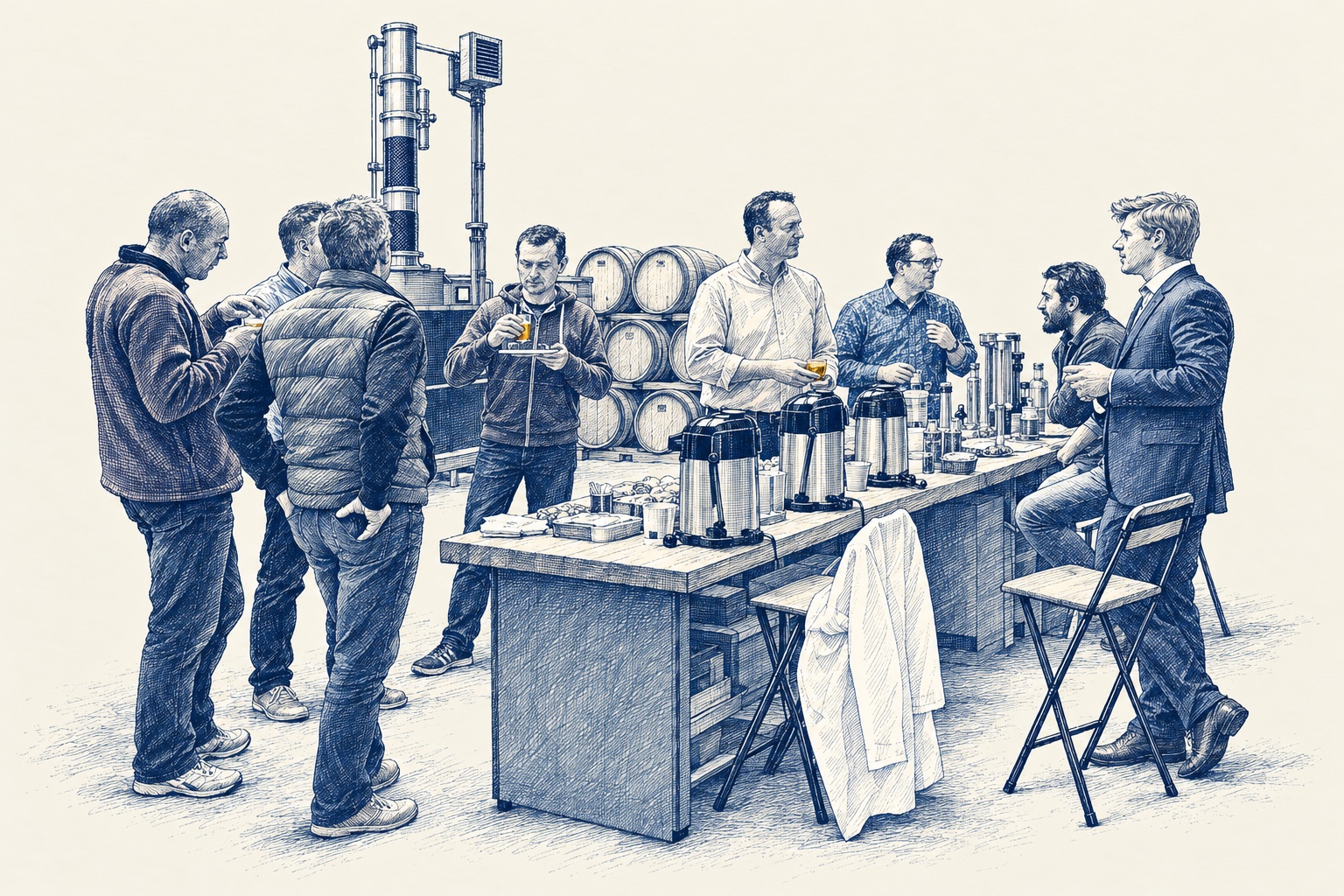
At iStill University, people came from different countries to run machines, develop recipes and taste the results together. Odin could explain the science. The distillers had to decide what they wanted to make.
The classes also showed iStill where people got stuck. Customers brought questions from working distilleries; the team took those lessons back into development.
More distillers learned. More placed orders. By 2015, iStill was reaching larger production facilities—and the operation making the machines was struggling to keep pace.
The orders outgrew the operation.
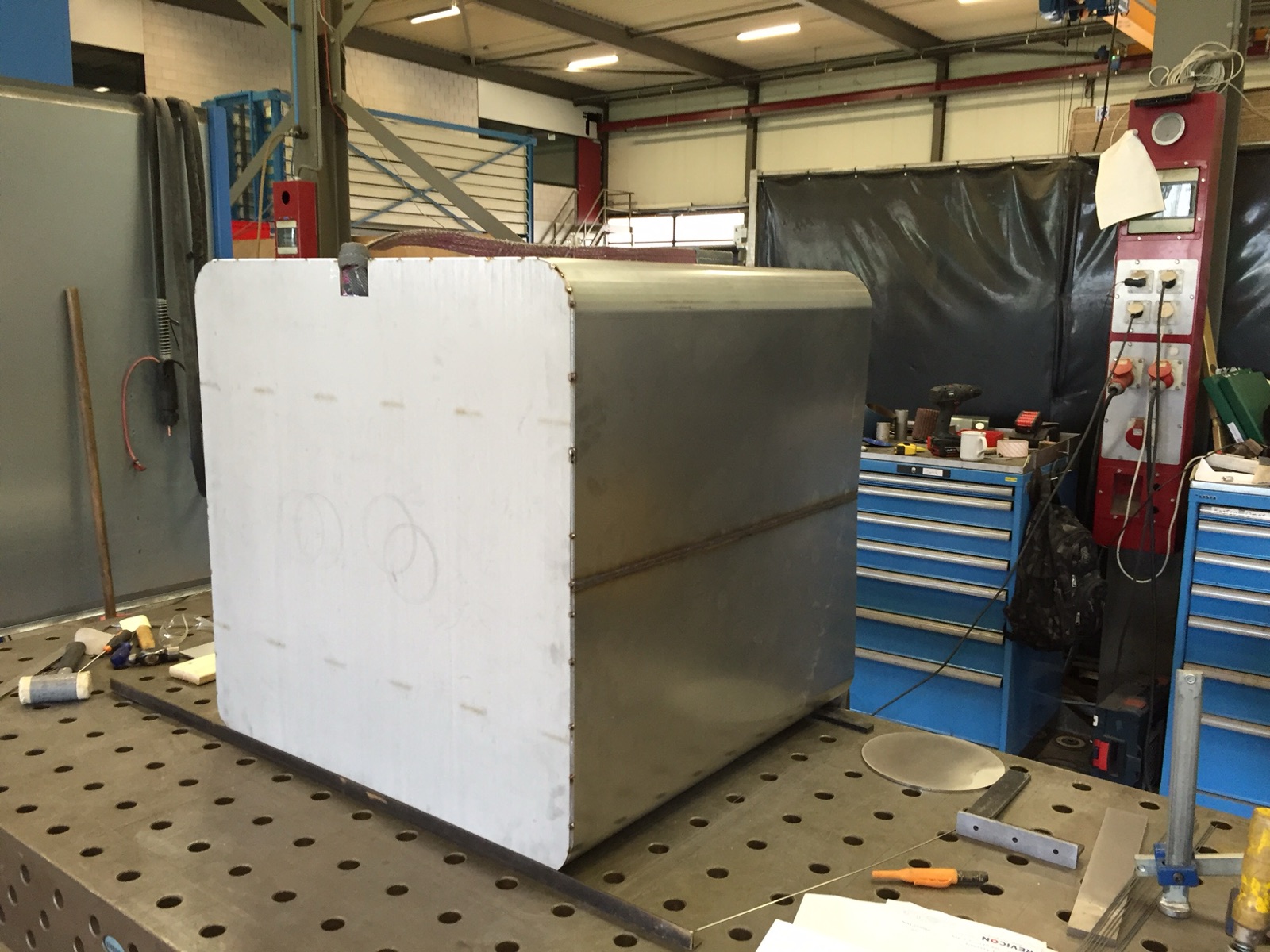
Customers were building businesses around iStill. Odin needed to know that every machine would arrive ready for the job.
He didn’t have enough control over how they were made.
Production was split between two locations, with developers in three countries. Every new design and growing order book made coordination harder.
A late machine could leave a customer’s new distillery waiting. A build problem could undermine trust in the technology itself. Innovation would only survive if the quality behind it held up.
Odin had questioned the way an industry worked. Now he had to do the same to his own company. Selling more machines wouldn’t fix the way they were being made.
In 2016, he brought development and manufacturing together in the Netherlands. A new factory, a new team and a redesigned generation of machines: iStill NextGen.
Industrial controls. Stronger construction. Precision robotics. Engineers and production working together. The changes gave iStill control of the build, but the transition brought delays. Some customers waited longer than planned.
The team had to earn that patience with the machines they delivered. The goal was repeatable quality in the factory, as well as repeatable results in the distillery.
At the London exhibitions, Odin could hear the shift. In 2014, people hadn’t recognized his machines. In 2015, they recognized them but found them strange. By 2016, he was hearing a different response.
It makes sense.
Why stop at distilling?
Mashing, fermenting and distilling all needed control of temperature and time. Did they always need separate machines?
Odin looked at the whole production day: heating, cooling, cleaning, moving a batch and starting the next one.
Some tasks could share a vessel. Others needed separate capacity to keep batches moving. The equipment had to fit the distiller’s plan.
With development and production together, iStill could build that flexibility into NextGen. The exposed wiring and small round boiler had become something very different.

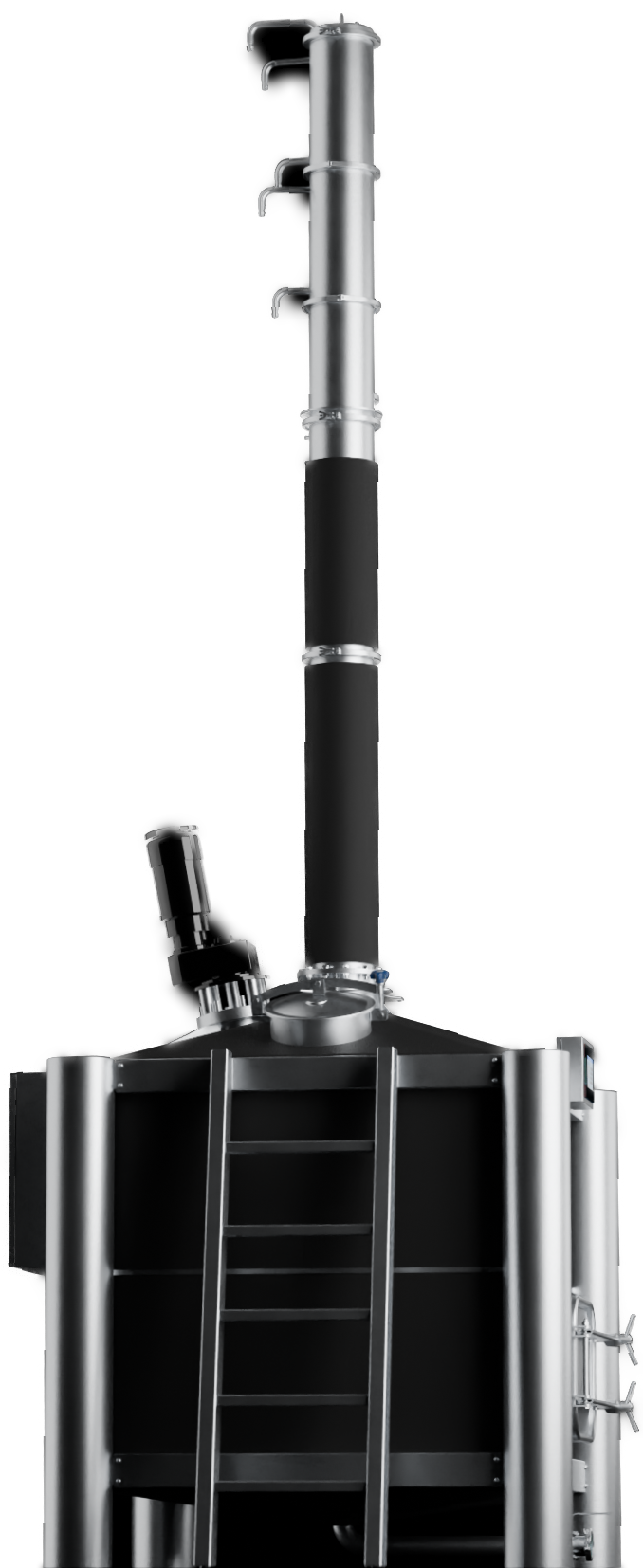
Today’s NextGen systems can combine mashing, fermenting and distilling in one vessel. Software manages the repeated adjustments, so the distiller can develop a process and run it again.
What began as a 50-litre experiment was now working in production distilleries. But some of those businesses had started just as small.

At Pegasus Distillery in France, Maxime started with an iStill Mini, online lessons and recipe experiments. He moved to a 500, then two 2,000-litre Hybrid systems. The small trials had become a working production distillery.
In New York, Twisted Cow installed 5,000-litre and 2,000-litre iStills. As the team refined its process, grain batches grew from 800 to 1,400 kilograms. They were learning how to get more from the equipment they already had.
Development continued: software to account for atmospheric pressure, the Mini for small recipe trials, the Extractor for developing flavors. Updates to existing machines helped earlier customers keep benefiting from new ideas.
From the first trial to a full production run, the question was the same: could the distiller get the result they intended?
More capacity. The same control.
Then the world stopped travelling.
Distillers had travelled to iStill to learn together. When the pandemic interrupted face-to-face teaching, the courses went online.
Now someone could study the process without booking a flight to the Netherlands. But access still depended on paying for the course.
In 2026, iStill made the full online University curriculum free. The lessons that had filled a classroom could now reach anyone with an internet connection.
people learning every day across iStill’s resources.
Today, more than 3,000 people learn through iStill’s resources every day. They can study the science, try it in their own distillery and return with better questions.
Odin had learned because other people shared what they knew. Now a new distiller could do the same, before buying any equipment.
They could learn how to control a run.
But there was one decision no course or machine could make for them.
What should their spirit taste like?
That decision is yours.
A fruit brandy made Odin ask why. Experiments gave him answers. Building iStill gave other distillers a way to put them to work.
Each step uncovered something else to solve: equipment, training, production, access to knowledge. The work kept coming back to giving the distiller more control.
A first recipe or a thousandth batch. A small independent distillery or a team producing at scale. The ambition belongs to the people making the spirit.
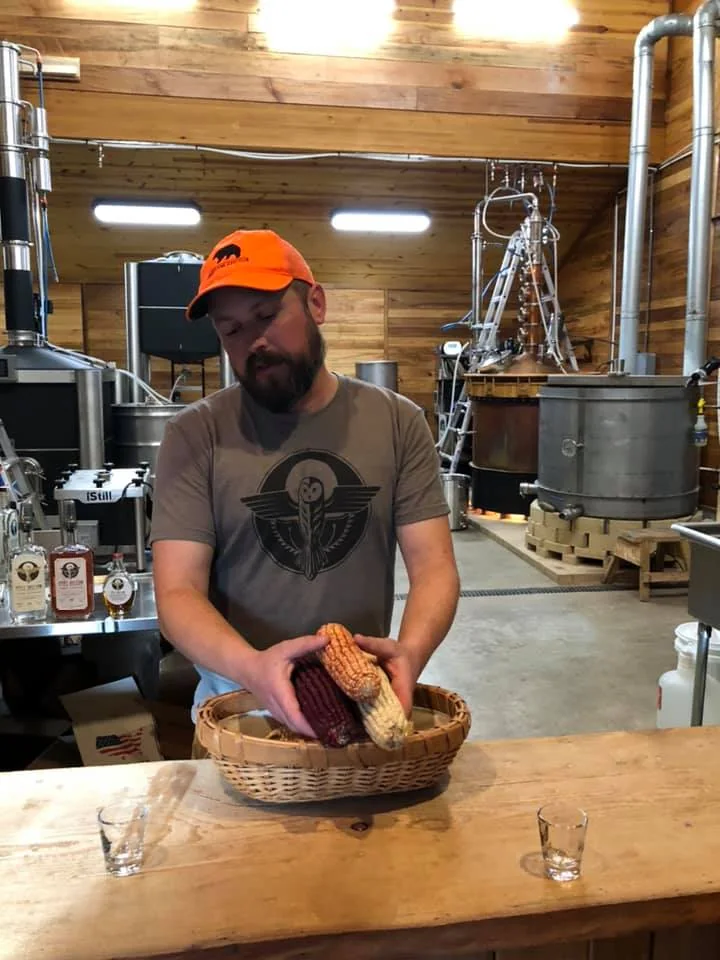
You bring the ingredients, the ideas and the taste you’re looking for.
We build the equipment to help you get there—and do it again.
What do you want to make?
Find the iStill that fits your next step.