Expressive by design.
Rum can be light and direct, rounded and fruity, or deeply expressive. Those styles begin with fermentation and continue through the way you distill. The equipment should give you room to choose.
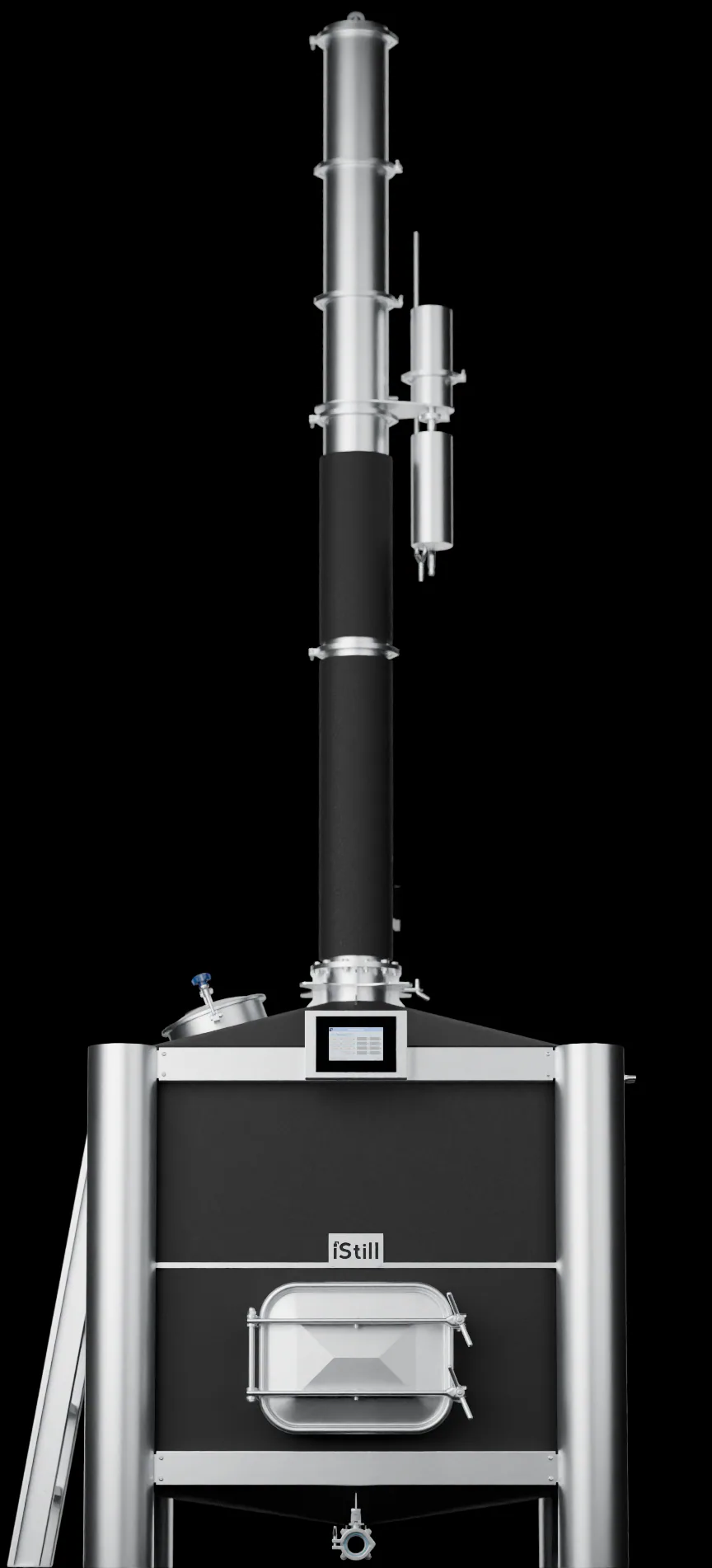
Name the rum you want to make.
Start with the raw material and the drinking experience. Cane juice and molasses lead to different production considerations and product stories. Within either route, decide how much freshness, fruit, body and finish you want. A light mixing rum and a full, maturation-led spirit should not inherit the same process by default.
In his writing on rum, Odin relates these style choices to the balance of character retained from the run. It is a development framework: define the sensory target, compare trials and record why one result works better. Color, age statements or the romance of a still do not explain that target for you.
Where iStill fits.
Develop a recipe on a smaller setup, then choose the production configuration around the same intent. Hybrid distilling gives you a range of operating approaches within one platform, rather than assuming every rum needs the same separation behavior.
Create the character you hope to collect.
Fermentation creates alcohol and many flavor compounds that distillation can later select and concentrate. Yeast, substrate composition, acidity, temperature and time interact. More flavor is not always more desirable flavor, and an aggressive fermentation is not automatically a good one. Begin with stable, understood conditions before adding complexity.
University also explores backset and dunder as distinct tools. Backset is residue from a run that may be reused within a developed process; dunder introduces a separate, controlled microbial dimension. They are not shortcuts to quality or instructions to accept uncontrolled contamination. Their value depends on a defined style, boundaries and a team that understands the process.
Where iStill fits.
Specify fermentation and material handling as carefully as the still. Plan tank capacity, temperature control, transfer and cleaning around the raw material you actually use. Treat advanced flavor-building methods as documented development work, not an equipment checkbox.
Their ambition. In the glass.
The producers, the products and the recognition they have earned.

J. Gow · Culverin Rum
90 points · Gold
London Spirits Competition · 2023

Fowey Valley · Golden Sipping Rum
Gold
Taste of the West · 2024
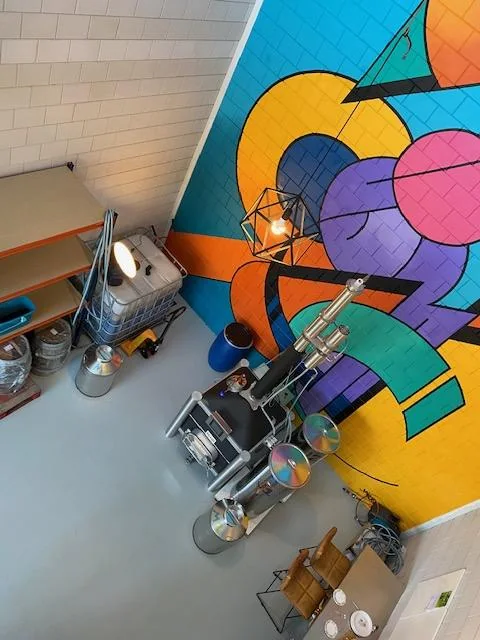
Rummieclub
An open, scientific approach to rum production.
Amsterdam · Customer interview, 2019
Use separation to shape the style.
Cuts are part of the flavor architecture. A clean, light rum and a richer rum can retain different balances of early and late character. Reflux, boil-up and vapor behavior affect how fractions overlap, which is why the same nominal cut point does not describe every result.
The rum articles discuss vapor speed as one lever in a character-led run. Greater carryover can add depth, but it can also add components you do not want. A fuller new make may need a different maturation plan. Taste the result against its intended use instead of assuming maximum intensity is the objective.
Where iStill fits.
A hybrid system lets you develop power, reflux and collection settings for the target style. ABV control and automated cuts help repeat the validated approach. They preserve your operating choices; they do not decide what makes a good rum on your behalf.
One platform. Different separation goals.
Develop power, reflux and cuts around the flavor you want to retain. A lower-separation approach can preserve more character; the right balance is established through tasting.
- Vapor-liquid contact
- Condensation
- Controlled return and collection
Build a range without multiplying guesswork.
A rum portfolio may include unaged, matured and spiced products. Each adds work beyond the still: dilution, cask management, extraction or blending. Document those stages as part of each recipe. They can change the final impression as much as the label's age or flavor description suggests.
For spiced products, decide whether an ingredient belongs in extraction, redistillation or final blending. The Extractor lessons show why an aromatic extract and a distilled essence are different ingredients. Test the formulation at its finished strength and validate stability and changeovers before increasing output.
Where iStill fits.
Compare a flexible distilling platform with the extraction and development options your range needs. Plan cleaning, storage and cask-filling time alongside capacity. A coherent workflow makes a second product easier to manage without weakening the first.
Different tools. Informed choices.
Traditional equipment can make exceptional spirits. Compare the actual process and control you need, rather than a material, a shape or a headline.
| Decision | What to consider | The iStill approach |
|---|---|---|
| Style range | Pot and column systems can both make excellent rum. Their geometry, internals and operation affect the balance they retain. | Develop character-led or separation-led settings on the hybrid platform and validate them for each rum. |
| Traditional methods | Backset and microbial methods have long histories, but require deliberate process control. | Combine equipment flexibility with University training and documented trials, rather than treating flavor as a preset. |
| Portfolio growth | A spiced or matured expression adds extraction, blending or storage work beyond base-spirit production. | Consider iMini, an optional Extractor and the production schedule together when planning the range. |
Build your setup.
Explore the equipment, then compare sizes and options in Design Studio.
Questions worth asking.
Can one hybrid setup produce both light and fuller rum styles?
It can provide different separation and run approaches within the same platform. Raw material and fermentation still set the starting point. Develop settings for each style and validate the finished product and its maturation plan.
Do I need dunder to make a flavorful rum?
No. It is one advanced tool discussed in University, not a requirement for all rum. A clear flavor target and a controlled fermentation come first. Choose additional methods only when they serve the style and can be managed consistently.
Is spiced rum simply another distillation recipe?
It may also involve extraction, blending and finished-product formulation. Decide where each flavor is introduced, test at final strength and validate stability. Equipment should support that complete workflow.
Go deeper. Learn from the source.
This guide draws on Odin’s teaching, the iStill archive and firsthand distillery interviews. The online University is free and open to everyone.
Explore the lessons, articles and tools 12 ↗
- Distilling Top-shelf Rum is all about Vapor Speed! ↗iStill Blog
- Holy Trinity of Distillation ↗University
- Odin Plays Around With Rum! ↗iStill Blog
- Temperature, pH, and Fermentation Direction ↗University
- Backset Cycle Explained: Build Flavor Across Runs ↗University
- Dunder Pit Explained: Safe Use, Dosing, and Flavor Impact ↗University
- Talking Rum Distillation Technology with Customer! ↗iStill Blog
- Vapor Speed: Control Flavor and Cuts ↗University
- iStill Innovation: ABV Control! ↗iStill Blog
- Extractor in Practice: Extracts, Essences, and Solubility Control ↗University
- What Barrels Actually Do: Oxidation, Recombination, Wood Extraction ↗University
- Yearly production capacity calculator ↗iStill
Keep exploring.
Have a project in mind?
A first idea, a question or a detailed plan. We can start from there.