Recorded development batch
The recorded batch
Reported 200-liter muscovado fermentation, August 2019.
- 34 kg muscovado sugar
- Water to a reported 200-liter fermentation volume
- 125 g dried baker’s yeast
- The iFeed nutrient product used at the time; quantity not specified
A historical development batch with reported observations. The proposed larger molasses batch is distinguished from completed work in the account.
In August 2019, iStill developed a muscovado rum in a 200-liter test fermentation, distilled it on an iStill 100, compared bottling strengths and began a larger molasses trial. Follow the process from fermentation through stripping, finishing and proofing, then into the next feedstock trial. The dates below identify the original published updates; they do not establish when fermentation began.
The starting question: muscovado or molasses?
The team began with muscovado sugar for a lighter rum and then moved to molasses to explore a heavier expression. The series follows those development choices through the working batches.
For a distiller, the useful point is to keep the feedstock, fermentation and final spirit connected. A raw-material name alone cannot establish what a finished rum will taste like. The rum production guide takes that question through the complete process.
August 19: the 200-liter muscovado fermentation
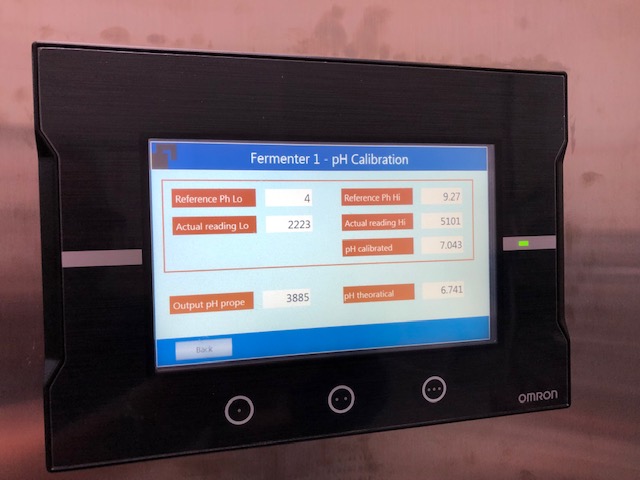
The first post records 34 kg of muscovado sugar in a final fermentation volume of 200 liters, with 125 g of dried baker’s yeast and the iFeed nutrient product used at the time. The sugar was mixed with water and the volume topped up before fermentation. The initial expectation was roughly four days and a wash near 9% ABV.
The follow-up reports that fermentation finished in five days. The distinction matters: four days was the initial expectation; five days was the subsequent observation.
August 21: what the stripping figures show
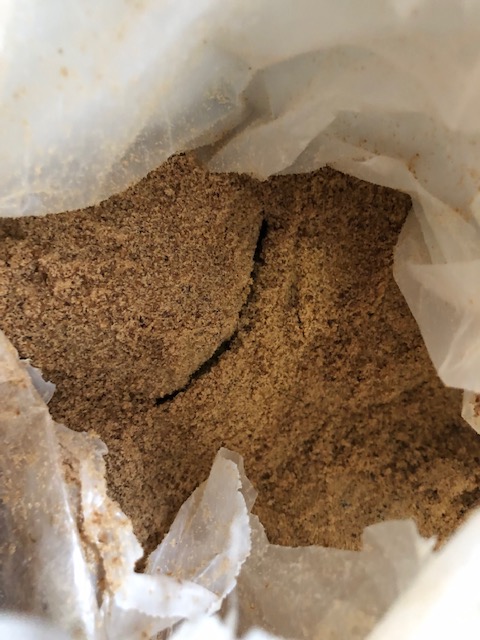
The team reports charging approximately 90–95 liters into the iStill 100 and collecting 22 liters at 38% ABV. The reported distillate therefore contains 22 × 0.38 = 8.36 liters of pure alcohol. The low wines were described as slightly cloudy, with a light rum aroma.
| Measure | Recorded result |
|---|---|
| Charge volume | Approximately 90–95 liters |
| Collected low wines | 22 liters at 38% ABV |
| Alcohol in collected low wines | 8.36 liters of pure alcohol |
The original follow-up estimated a wash strength near 9% from that recovery. In your batch record, keep recovered alcohol and measured wash strength as separate figures. Recording both lets you evaluate recovery as well as fermentation performance.
August 22: finishing the muscovado rum
The August 21 plan was to combine the 22 liters of low wines with roughly 75 liters of remaining fermentation for a slower finishing run. This is the approach Odin calls Distilling 1.5: part of the charge has already been distilled, while fresh wash supplies the rest.
The August 22 update confirms the finishing run was underway on the iStill 100. Heads had been separated and hearts were being collected. The team’s impression at that point was a light rum. Keep that observation with the batch stage: it describes the spirit during collection.
August 27: proofing and sweetness trials
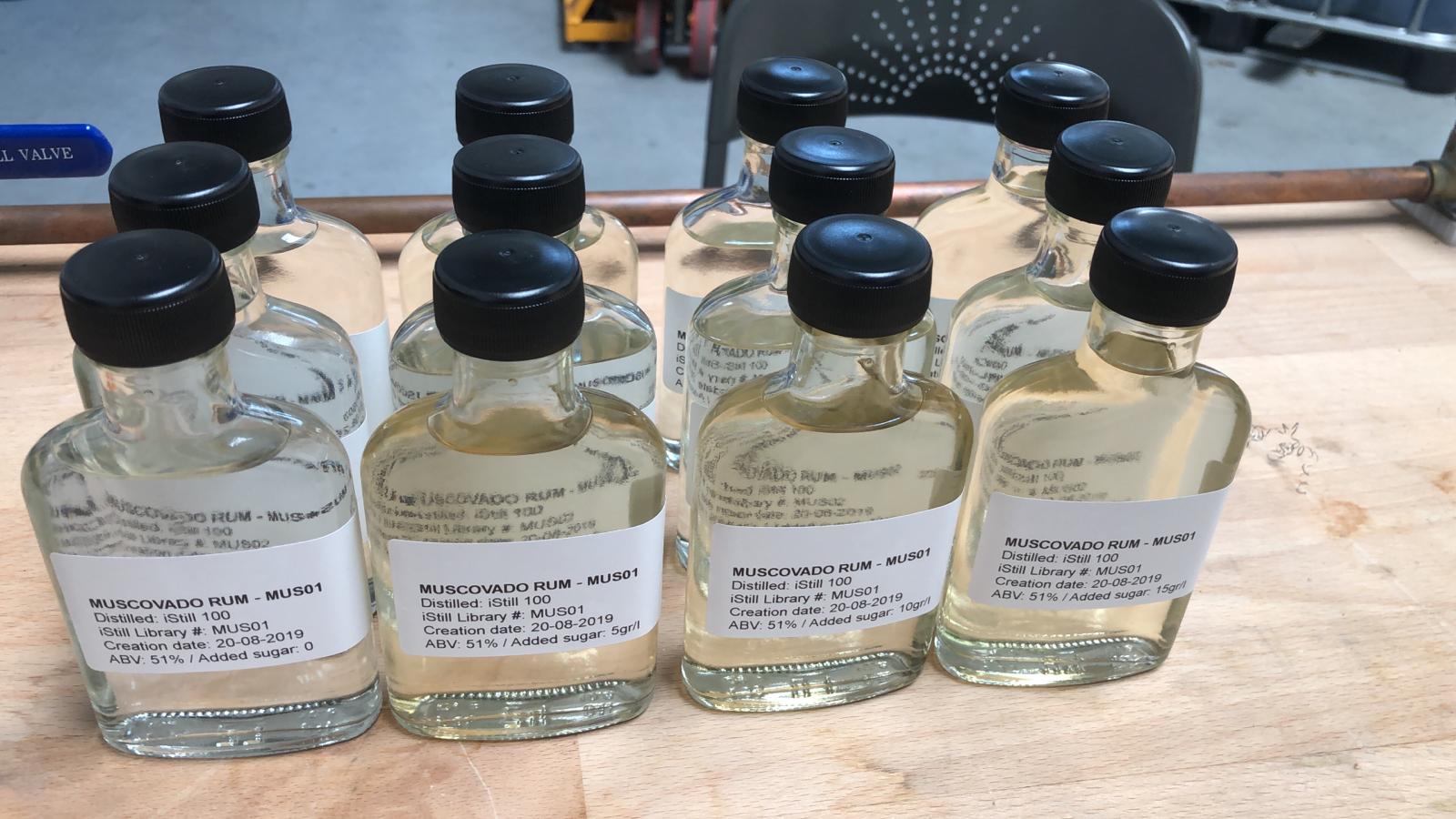
The later update records muscovado samples at 45%, 48% and 51% ABV, with different back-sugaring levels under test. The team was comparing how strength and sweetness changed the developing drink.
This is a useful way to frame the next decision. Compare the same developed distillate at candidate strengths, keep additions recorded and evaluate the drink you intend to bottle. The dilution calculator helps plan volumes; the actual blend still needs measurement and assessment.
The next experiment: molasses at production scale
The August 22 post also introduces a molasses fermentation. By August 27, the account moves to a larger batch on an iStill 2000: approximately 1,950 liters of water-and-molasses mixture, with around 1,500 g of yeast. The recorded plan starts fermentation at 22°C and allows temperature to rise to 32°C before cooling.
The planned distillation target was a heart cut around 60–65% ABV in one pass. The published sequence ends with this fermentation and planned run. A completed molasses yield and final sensory comparison would be the next results to record.
What to carry into your own rum development
- Keep expectations and measured outcomes distinct in the batch record.
- Record alcohol recovered alongside the charge and accepted fractions.
- Develop proofing and sweetness as part of the finished product.
- Follow a larger batch through to accepted spirit before claiming a scale-up result.
Use the current rum guide to connect feedstock, fermentation and separation. Study fermentation control for the variables behind the trial, and compare current fermentation equipment with the production rhythm you need.