Column packing provides contact between liquid returning down the column and vapor rising through it. Its performance belongs to a complete system: the packing, column diameter and height, liquid distribution, charge and operating settings. This article compares spiral prismatic packing (SPP) with iStill’s helicon column packing (HCP) through a reported iStill Mini trial.
What the packing does
Returning reflux wets the packing and meets rising vapor. That contact supports separation. The amount returned and the amount collected are part of the operating decision, explained in the liquid-management article.
Good packing must work in the actual column. Comparing materials by name alone leaves out their size, distribution and the conditions under which they are used.
What the reported trial compared
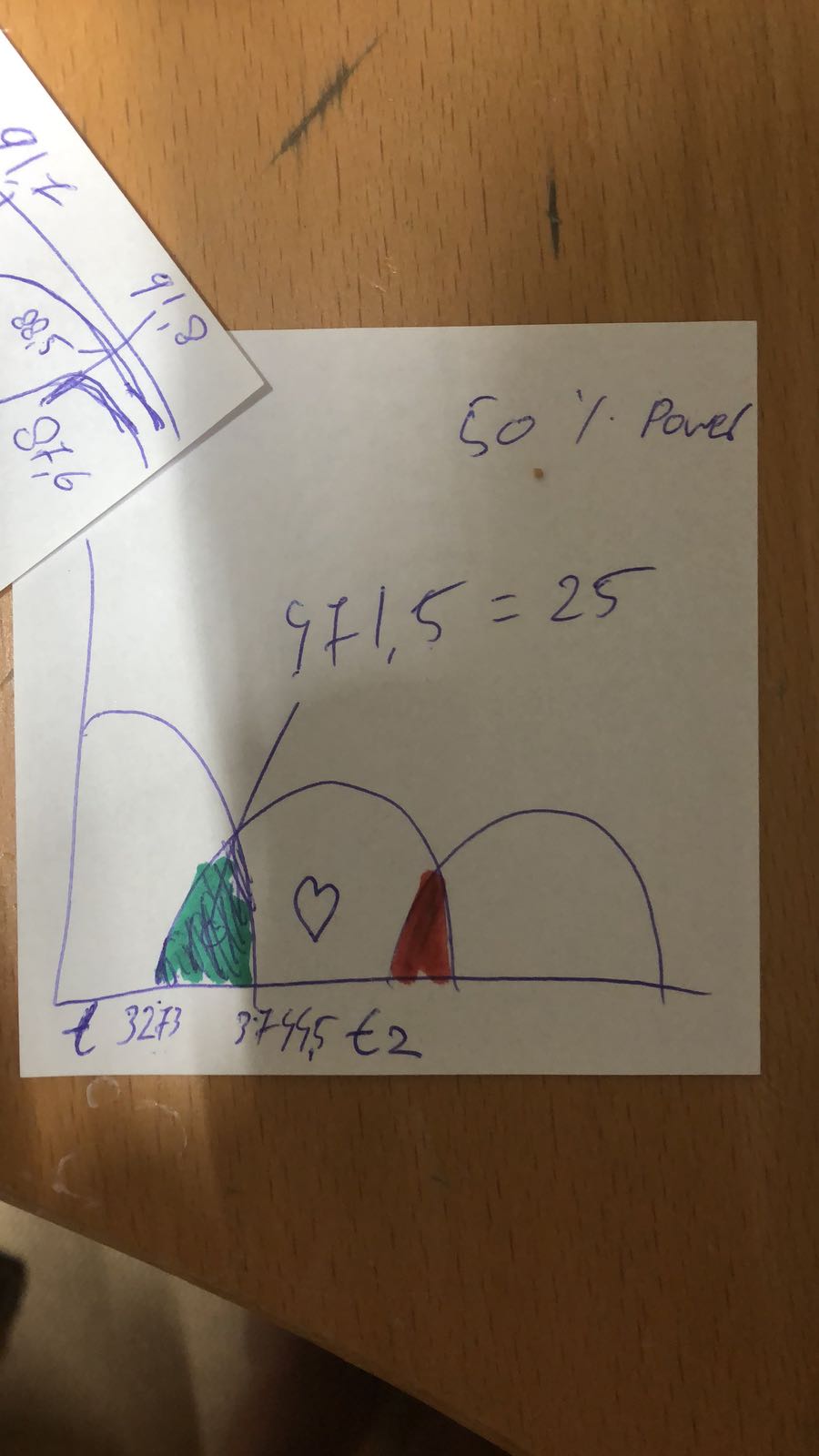
The original February 2024 account describes two runs on an iStill Mini. Each used a 10-liter charge at 10% ABV, the same POM number 2 and a 50% power setting. One used SPP; the other used HCP. The account reports column temperature traces, collection time and product strength.
For 490 ml of collected product, it reports 25 minutes with SPP and 14.5 minutes with HCP, at reported strengths of 85.8% and 93.4% ABV respectively. These are results reported by iStill for that comparison. They are not independently replicated performance specifications for every column.

| Measure | SPP | HCP |
|---|---|---|
| Collected volume | 490 ml | 490 ml |
| Reported collection time | 25 minutes | 14.5 minutes |
| Reported ABV | 85.8% | 93.4% |
Read speed, strength and recovery together
For the same collected volume, the reported times correspond to about 72% higher volumetric collection rate, or 42% less collection time. Those are two descriptions of the same arithmetic. They do not mean a 72% shorter complete production day.
Because the reported product strengths differ, volume alone is not an equal-alcohol-output comparison. A full comparison should also show accepted alcohol recovery, cut criteria, energy, preparation and cleaning. Temperature traces help describe the run; a fixed number of extra theoretical stages cannot be established from a temperature difference alone.
How to compare packing for your column
- Use the same feed, charge and column geometry.
- State the packing size, filled height and operating settings.
- Compare accepted output at an agreed strength and sensory standard.
- Record recovery, run time and energy on the same basis.
- Repeat the comparison before treating one trial as a general result.
Study the packed-column lesson for the principle. For a purchase, confirm the packing and configuration supplied with the current iStill model.