From Burgundy winemaking to a modern organic spirits brand, Pegasus Distillery is a good example of what happens when traditional ingredient knowledge meets precise, scalable distillation technology.
In this interview, Maxime from Pegasus Distillery explains how the company grew from early recipe trials on an iStill Mini into a production operation using an iStill 500 and two iStill 2000 hybrid stills. Along the way, Pegasus built an organic product range, expanded into the United States, won gold medals for several spirits, and kept its focus on traceability from field to glass.
Prefer the source conversation? Download the full Pegasus interview PDF to read the complete transcript.
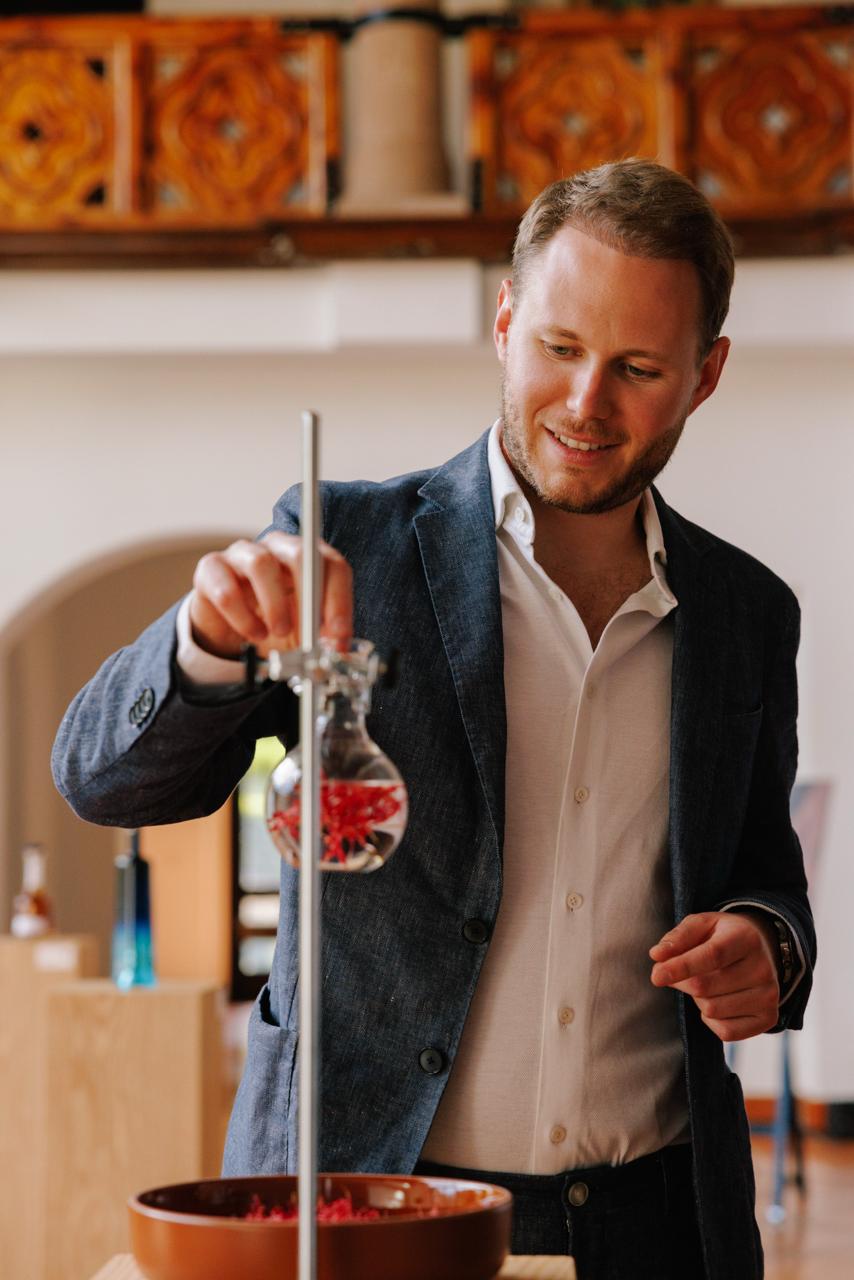
Key takeaways from the Pegasus Distillery interview
- Pegasus started in 2020 with an iStill Mini, then scaled to an iStill 500 with a hybrid column and two iStill 2000 hybrid systems.
- The distillery produced about 160,000 bottles last year and expects further growth through a larger sales force and new markets.
- The current range includes vodka, gin, a citrus liqueur, and a mint liqueur, with Liqueur Royale with Yuzu planned as a barrel-aged extension.
- Pegasus chose iStill for versatility, energy efficiency, precision, repeatability, and scalability.
- The brand works with organic French and Swiss ingredients, including French wheat, water from an artesian well below the distillery, citrus from Menton, and herbs and flowers from the Swiss Alps.
Why Pegasus Distillery started with spirits
Maxime did not begin with formal distilling experience. His family background, however, was close to the world of premium drinks. He and his brother are the 13th generation of a winemaking family in Burgundy, so working with high-quality ingredients, transforming raw agricultural products, packaging them well, and bringing them to market was already part of his world.
The personal spark came during the years he spent in the United Kingdom. London introduced him to the energy around premium spirits, bars, bartenders, and mixology. The craft of extracting flavor from botanicals and blending those flavors into something precise and memorable made a strong impression.
"I thought this was what I was meant to do somehow: to bring that philosophy of craftsmanship and make something next level using modern technology."
That idea became the foundation for Pegasus: control the full path from source to finished product, while using modern tools to make the process repeatable at professional scale.
From an iStill Mini to production scale
Pegasus was created in 2020. At the start, Maxime worked alone with an iStill Mini, using iStill's online courses as his primary distillation education. The first months were spent learning the behavior of botanicals, understanding extraction, and refining recipes before moving into commercial production.
In 2021, Pegasus received its first production machine: an iStill 500 with a hybrid column. Botanical recipes moved from the Mini to the larger still without much friction. Reflux distillation required more learning, but the transition was manageable.
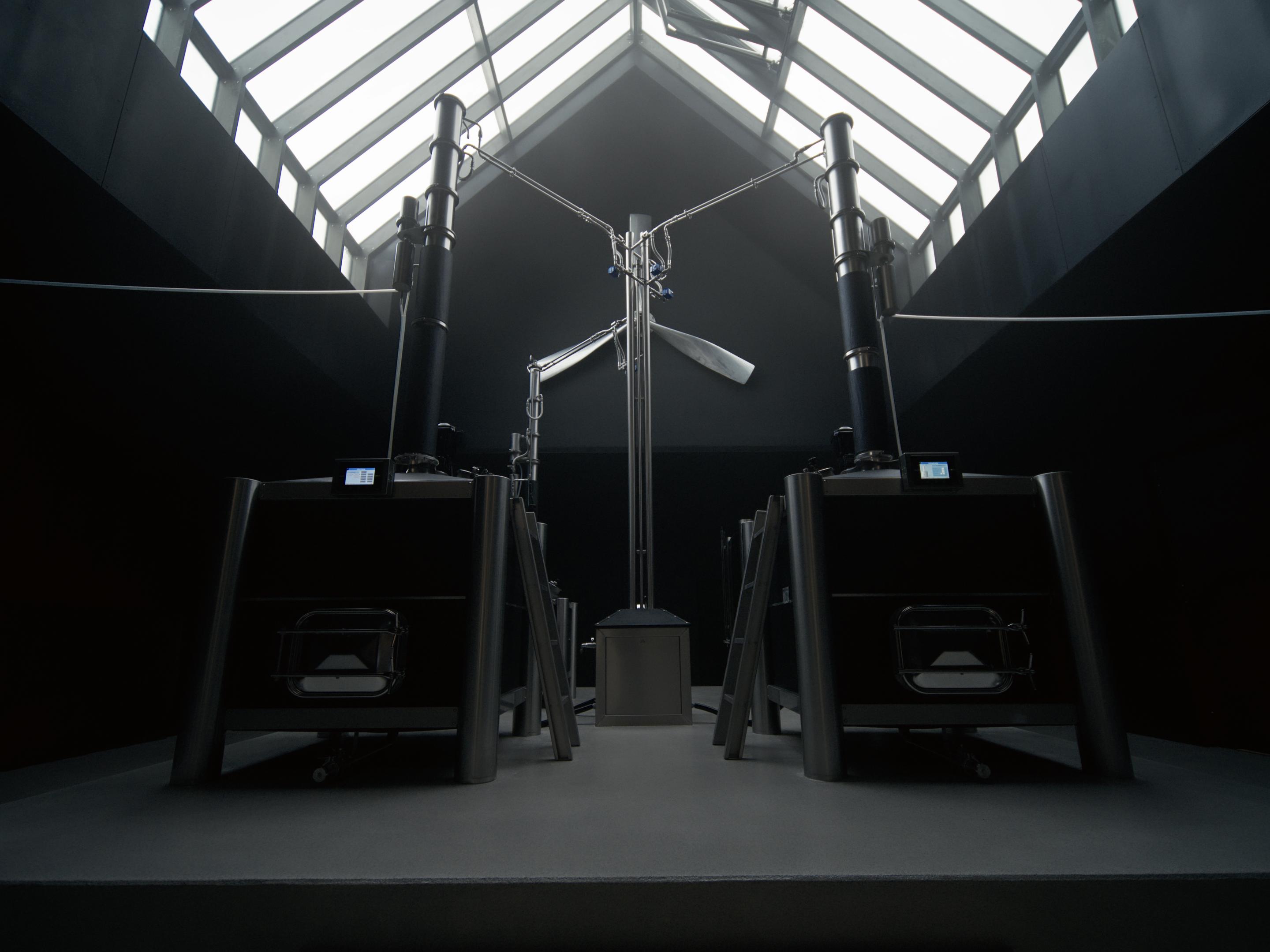
Four years later, the production setup had expanded to three stills. The iStill 500 is now used mainly as a pot still for botanical extraction and distillation, while two iStill 2000 hybrid systems are used mostly for redistilling grain neutral spirit.
For Pegasus, the equipment decision came down to a few practical requirements. The stills had to be versatile enough for both redistillation and precise botanical work. They had to support the distillery's sustainability goals. They also had to be scalable, because the company wanted to grow without rebuilding its entire production logic at every step.
"For us, the iStill was really the only option that ticked all the boxes. It is the best of both worlds."
Scaling an organic vodka, gin, and liqueur range
Pegasus currently produces four main spirits: vodka, gin, a citrus liqueur, and a mint liqueur. Vodka and gin remain the largest products because they were launched first, but the liqueurs are growing quickly.
According to Maxime, Pegasus produced about 160,000 bottles last year, with higher volumes expected as the commercial team expands. That growth is supported by a production strategy that separates the role of each machine: the larger hybrid stills handle redistillation of GNS, while the iStill 500 focuses on botanical expression.
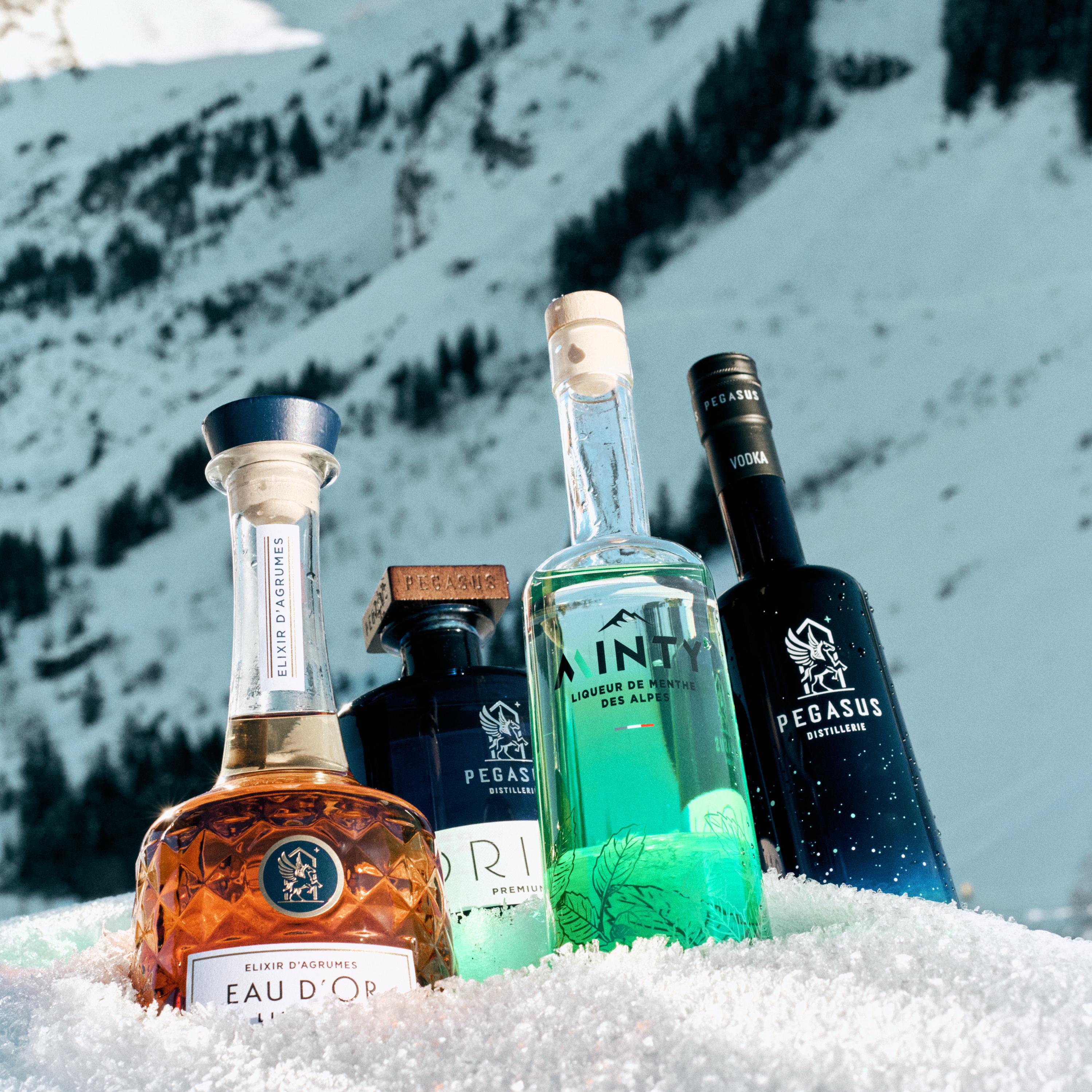
That distinction matters. Many brands buy GNS and focus almost entirely on botanicals. Pegasus considers GNS redistillation essential because it forms the base of most of the final spirit. Precision at that stage gives the distillery more control over the quality of every finished product.
Why Pegasus went to the US market early
Pegasus built its commercial strategy around the United States from the beginning. France remains important, especially the French Riviera, the Alps, and Paris, but the US became the largest market by far, representing roughly two-thirds to three-quarters of the business at the time of the interview.
Maxime points to three reasons. The US is the largest premium spirits market in the world. American consumers are open to new flavor profiles and new brands. The market also gives a premium spirits company the chance to grow quickly enough to fund packaging, marketing, communication, and its own production infrastructure.
The early route was not easy. Pegasus started with its own US structure and sales force, then gradually convinced distributors to work with the brand. Within about a year and a half, the company had reached a stronger position. Most current sales still come through on-premise channels such as bars, restaurants, and hotels, with off-premise retail planned as the brand grows.
A field-to-glass mission based on French and Swiss terroir
Pegasus was created to bring French and Swiss terroir into premium spirits. Maxime is half French and half Swiss, and the ingredient strategy follows that identity. Pegasus works with French wheat, draws water from an artesian well 152 meters below the distillery, sources citrus from Menton near Monaco and the French Riviera, and buys herbs and flowers from a supplier in the Swiss Alps.
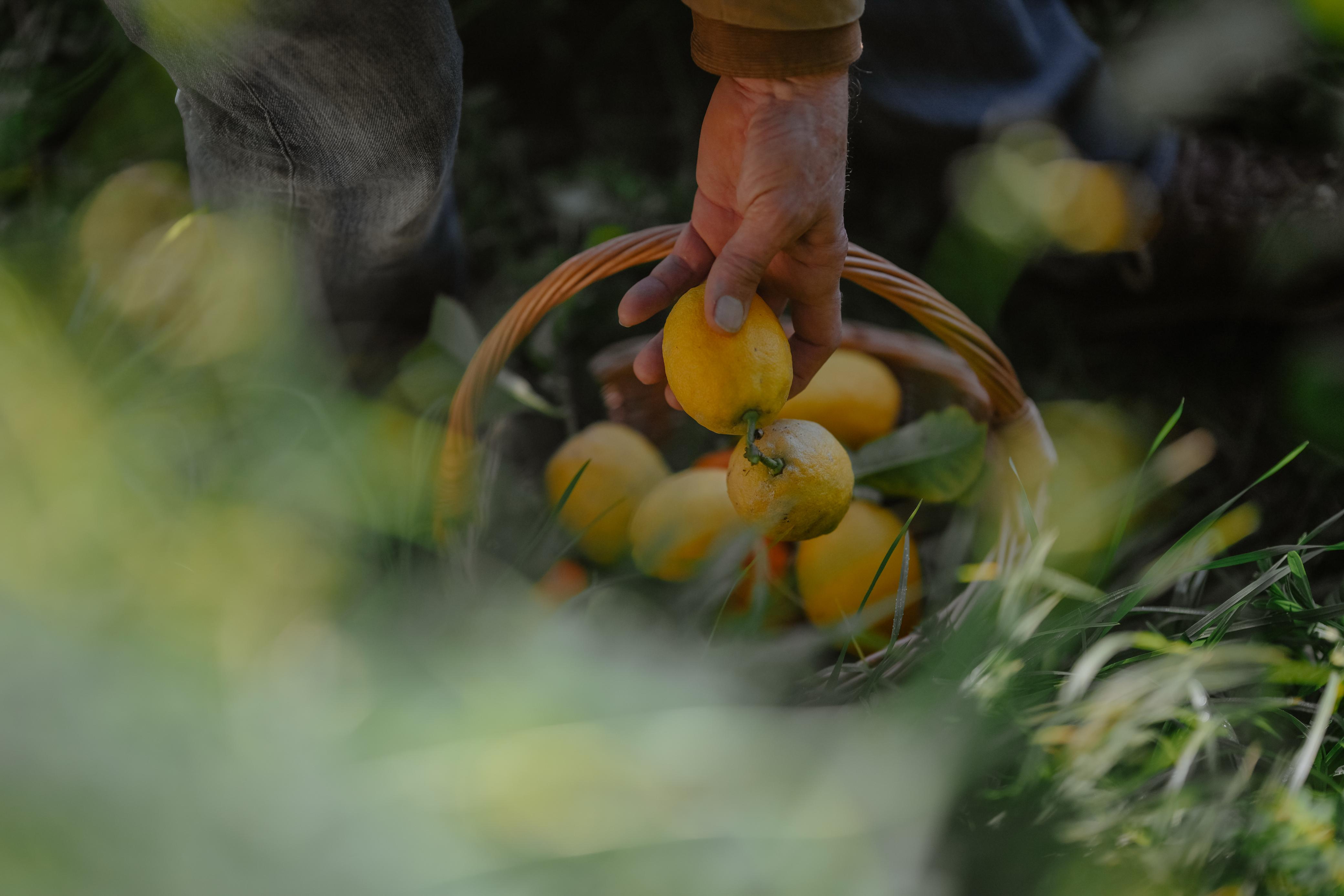
All Pegasus products are certified organic. The botanicals are handpicked and air-dried rather than heat-dried. For Maxime, that sourcing discipline belongs together with modern production technology: great raw materials, careful extraction, strong packaging, and clear communication are all part of the same product experience.
The team is still compact. At the time of the interview, Pegasus had 12 people and expected to grow significantly. Only about three people were needed in production because the iStill systems and bottling line are highly automated. Everything is done in-house, which supports the brand's promise of transparency and traceability.
What Pegasus learned after four years with iStill
Maxime's overall view after four years is clear: Pegasus is glad it chose iStill. The most valuable benefits are precision, repeatability, and scalability, especially when redistilling GNS and keeping spirit quality consistent across growing volumes.
"iStill is really remarkable when it comes to the level of precision, repeatability and scalability. It is priceless for us."
His main critical feedback concerns the first setup stage. Pegasus would have liked more detailed technical information on cooling requirements, including water flow, water temperature, and cooling demand at different heat settings. iStill has since been expanding its support team and startup services, but the feedback is useful for any equipment supplier serving fast-growing distilleries: the machine matters, and the surrounding implementation guidance matters too.
Awards, repeat orders, and the next phase
Pegasus started entering major competitions last year and won multiple gold medals at the San Francisco Spirit Awards and the London Spirit Awards. Vodka, gin, and the mint liqueur all received gold medals.
For Maxime, the medals are meaningful because they recognize the team's work, the distillation process, and the quality of the final liquid. But the strongest indicator is still customer behavior. High reorder rates from accounts show that people do not only like the story of Pegasus; they like the spirits enough to keep buying them.
The company is now focused on deepening its presence in existing markets while entering new ones. In Europe, Pegasus has been preparing broader activity beyond France, including Spain, Switzerland, the Netherlands, and Germany. In Asia, early sales have started in Singapore, Hong Kong, and Japan.
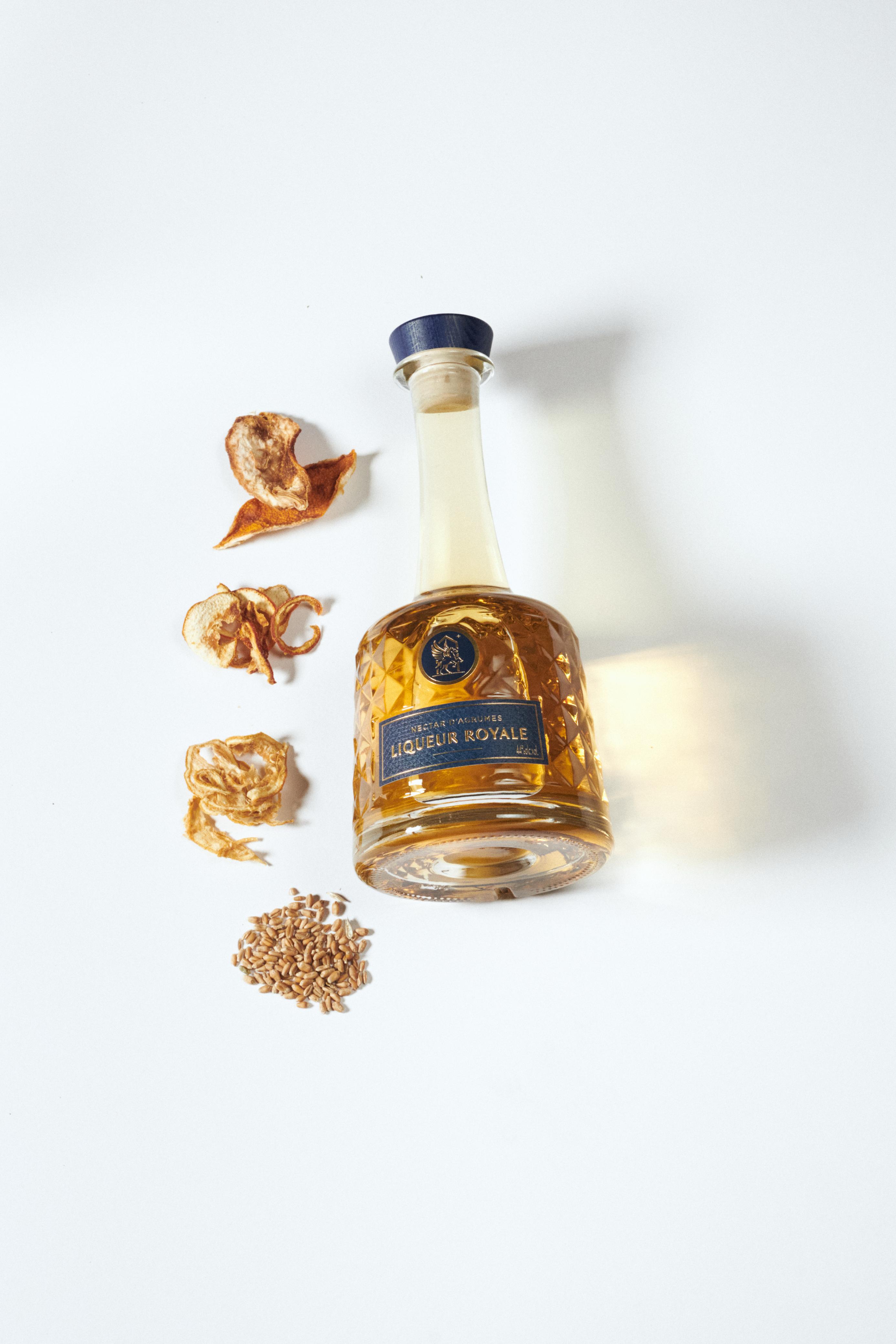
On the product side, Pegasus has been developing Liqueur Royale with Yuzu: a barrel-aged version of its citrus liqueur, finished with French Riviera yuzu distilled on the iStills. The distillery is also working on a strategy called the Martini Constellation, built around positioning Pegasus vodka as an ideal Martini base while connecting the rest of the range through cocktail use.
What new distillers can learn from Pegasus
The Pegasus story is not just a success profile. It is a useful case study for distillery founders who want to grow without losing control over product quality.
- Start small, but design for scale. Pegasus used the iStill Mini to learn and develop recipes, then moved into production equipment that used the same logic at larger volume.
- Treat the base spirit as part of the product. Redistilling GNS gave Pegasus more control over the largest component of its vodka, gin, and liqueurs.
- Make sourcing specific. French wheat, deep well water, Menton citrus, and Swiss Alpine botanicals give the brand a story that is also operationally real.
- Use automation to protect craft, not replace it. The iStill systems reduce repetitive labor and improve repeatability, while the team stays focused on ingredients, recipes, and sensory quality.
- Build a market strategy early. Pegasus did not wait for local dominance before entering the US. It chose the market that matched its premium growth ambitions.
Maxime closes the interview by returning to the simplest version of the Pegasus mission: make people enjoy top-quality products by bringing them the best of what nature offers, extracted with the best technology available.