Materials are one part of choosing a still. Read this original equipment-selection article alongside the column design comparison and the current NextGen equipment specifications.
Introduction
Planning a distillery can be daunting. What equipment do I need? A simple question, but there are so many answers that are rooted in even more considerations. This post is the fourth of a series called "What Equipment Do I Need?". Each post highlights one consideration. This week? Material! What will my still be made of?
Materials for still building
There are basically two materials a still can be build from:
- Stainless steel;
- Copper;
Each material has specific benefits as well as specific negatives. Time to find out more!
Stainless steel
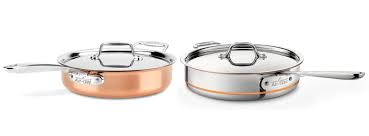
As stainless steel is relatively affordable, stainless steel stills offer great value for money. Since this material is chemically very resistant, it has superior longevity. As a result of its resistance, it does not chemically interact with the spirits you are making, which has both positive and negative consequences. No contamination on the one hand, no sulfur catalysis on the other hand. Stainless steel stills can be fitted with a catalyst to manage sulfurs though. A final consideration? Some perceive a stainless steel distillery as modern looking, which can be both a pro and a con.
Coppper
As copper is expensive, both to purchase and to work with, copper stills are relatively expensive. Its reactive surface makes inspection and maintenance part of the equipment decision. A benefit from copper being very reactive, rather than inert, is that it can reduce sulfur-related aromas during distillation. Research on malt-whisky pot stills shows that the location of copper contact matters. Copper-contact components need suitable inspection and maintenance. A stainless-steel structure can be combined with purposeful copper contact; the entire still does not need to be copper to use that chemistry. Many perceive a copper distillery as being more romantic looking, which can add to the artisanal experience that many distillers associate with being craft.
Copper vs. Stainless Steel ...