Introduction
Apparently it is World Whisk(e)y Day, today. While consumers can use that as an excuse to have a mid-week drink, and producers can take the opportunity to sell some additional bottles, what the heck do we do at iStill? How about ... how about we give craft distillers some additional information and advise on how to make better whiskies? That way more people will enjoy your whisk(e)y and you will sell more bottles. And not just today!
So here we go. Here's us sharing some rules on how to make better whisk(e)y. Not in any particular order. Not an exhaustive list, either. But we hope it inspires you to become an even better craft distiller, an even better whisk(e)y producer ...
Ferment longer
Taste molecules - also called "esters" - are formed during fermentation. They are formed by molecular recombinations of alcohol and organics. As there is not much alcohol yet, in the first few days of fermentation, a longer fermentation time will add more esters to your wash. A more flavorful ferment results in a more tasty whisk(e)y!
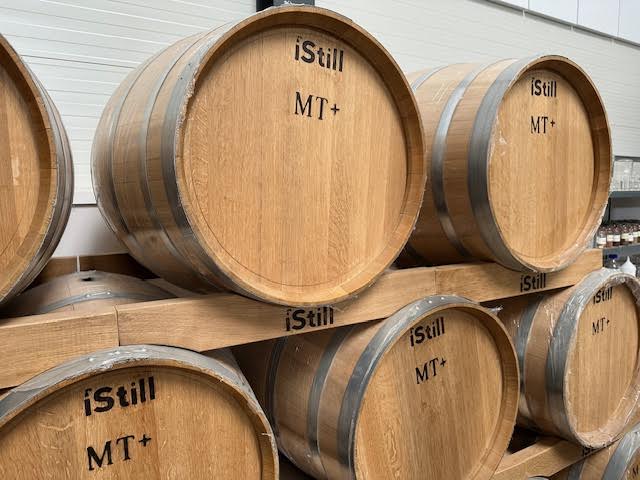
Age shorter
A good whisk(e)y highlights the flavors of the grains it is made from. The barrel can add nice flavors, but if all you taste is sherry or port or Bourbon barrel induced vanillins, you might overpower the grains that are crucial to any whisk(e)y. Also, aging recombines tails smearing into a long and more interesting finish, but heads smearing oxidizes quite quickly. Prolonged aging makes your whisky loose its fruity front-end. And then you NEED a sherry or port cask to fill that gap!
Focus on the grain
More grains result in more flavors to work with. But grains are also the organics that help esters formation. So ... ferment on the grain for more flavor. Remember: whisky is a distilled spirit where you - the taster - can identify the grains it is made from. Longer on the grain fermentations result in more, better, and more recognizable grain flavors!
Fewer distillation cycles
Distillation is a purification process that helps the distiller select the good flavors, while taking out the bad flavors by cutting out the heads and tails factions. But there is another way by which the distiller looses taste and that's via the stillage that remains in the boiler. Post-distillation it is void of alcohol but still full of taste. So ... the more distillation cycles you perform on your whisky, the more flavor your loose. In other words: less distillation cycles, as long as you have amazing heads and tails control, result in bigger, bolder tasting whiskies!
Lower ABV
A lower ABV whisky beer results in the flavors of that beer - via distillation, aging, and dilution - being more prevalent in the - for example - 40% strong end product. A 5% beer concentrates eight times, where an 8% whisky beer concentrates only five times. Lower ABV fermenting, combined with fewer distillation cycles, results in less water needing to be added for dilution to bottling strength!
Have a great World Whisky Day!
www.iStill.com