In previous posts, I talked extensively on what I learned about oak trees, coopers, and the noble art of barrel making. But why is a barrel so important for aging? What actually goes on inside the barrel that makes your rum or whiskey taste so much better, after a few years? What chemical reactions take place and how can you put them to good use, as a Master Distiller, aiming for the best possible spirits?
Basically, four chemical reactions happen, when a brandy, rum or whiskey ages in a barrel:
- Extraction;
- Esterification;
- Oxidation and Evaporation;
- Filtration.
- By helping transform headsy alcohols into fruity flavours;
- By helping transorm lignins and tanins into vanilla flavours;
- By helping transform tailsy alcohol into rooty and nutty flavours.
- A newly made spirit with quite dirty cuts for heads and tails will develop into a more complex product over time, while total amounts of headsy and tailsy alcohols will actually be slowly reduced during the barrel aging time;
- A rum, whiskey or brandy distilate, that barrel ages in a hot climate, will loose relatively more headsy components to evaporation, thus creating a less fruity nose and taste;
- If you have all the time in the world (say 12, 16 or 20 years), and you live in a cold, wet climate, you may decide hardly to cut at all. Just use second hand barrels (to prevent over-extraction) and give them a fresh layer of char for tails control. Time will create a very complex product, while mild evaporation and prolongued oxidation control the final amounts of heads.
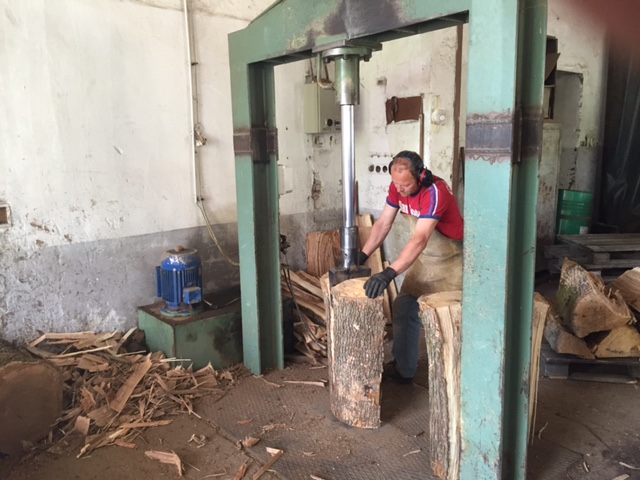
Complexity and character come at a price. European Oak is cleaved, limiting nett yield to 20 - 25% instead of 50% ...
www.iStill.eu